President pays tribute to frontline workers as Ireland remembers Covid victims
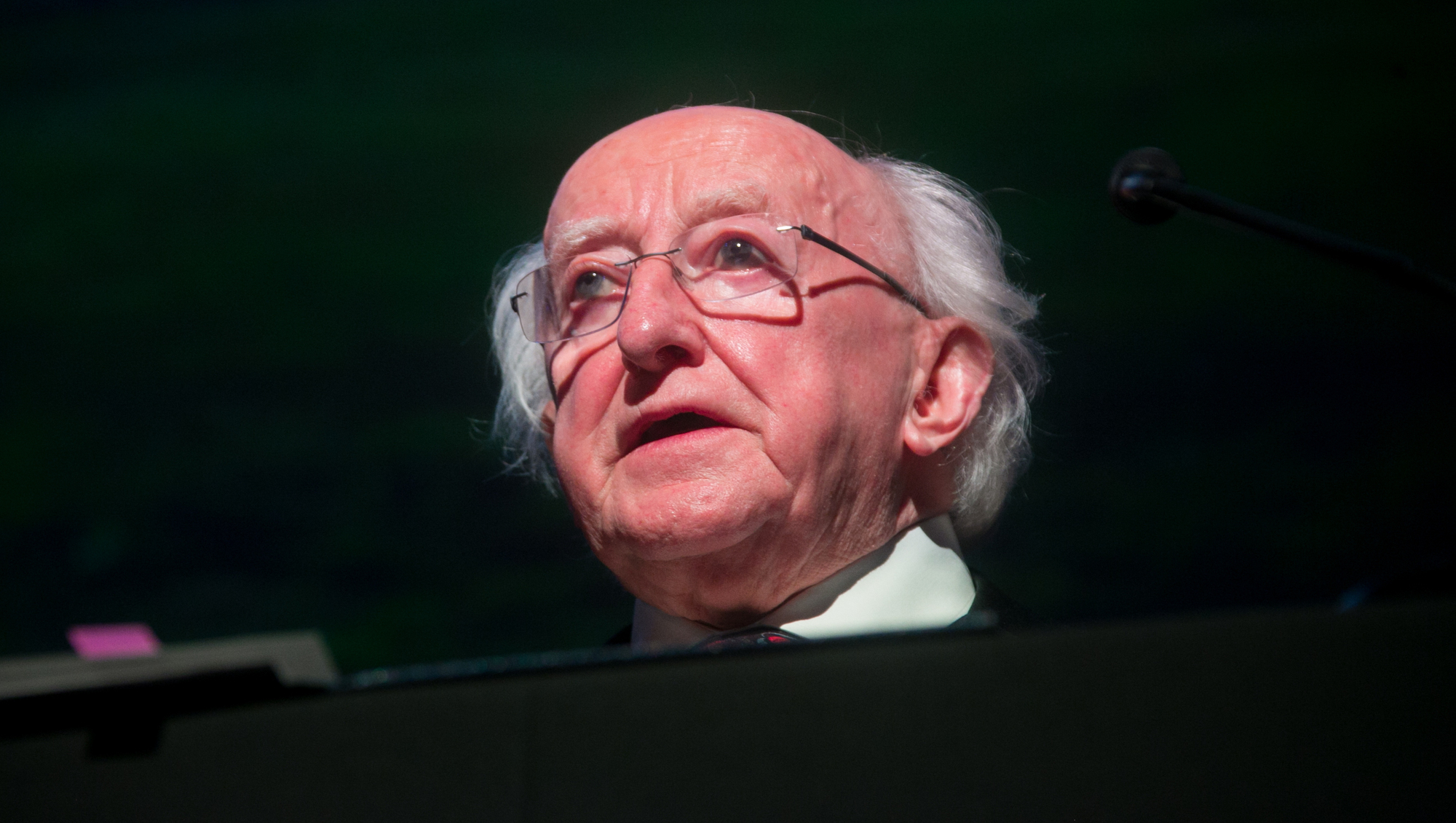
As part of the ceremony, President Higgins and his wife Sabina will plant an oak tree in the Commemorative Garden as a lasting memorial to all those lost during the pandemic. Picture: Gareth Chaney/Collins
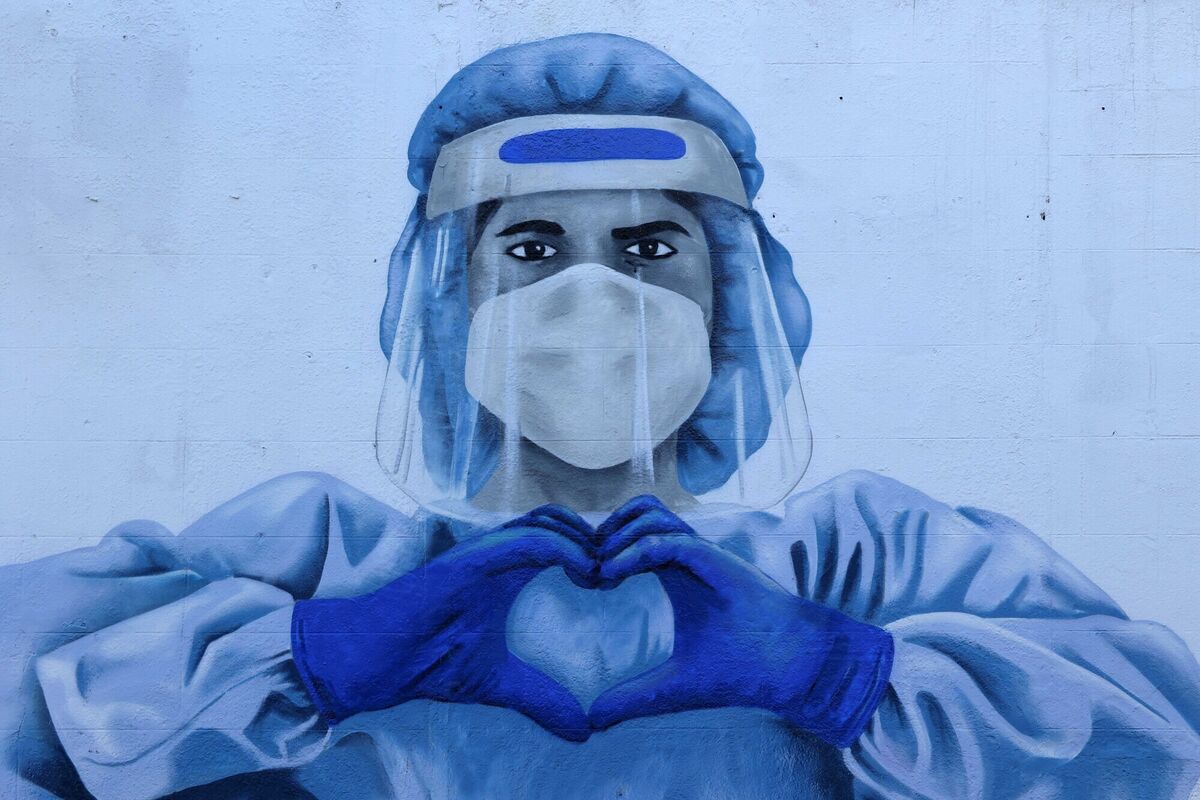
The President has paid tribute to frontline and emergency workers as the country marks a national day of commemoration for all those who died from Covid-19.
Michael D Higgins and his wife Sabina will hold a special Remembrance Ceremony at Áras an Uachtaráin today.
Entitled 'To Honour And Hold in Memory', the event is being held for all those who died from Covid-19, those grieving the loss of loved ones and frontline workers.
Those attending the ceremony will include Tánaiste Leo Varadkar; party leaders; the Lord Mayor of Dublin Alison Gilliland, and frontline workers from across the country.
Mr Higgins will address the event and then ring the Peace Bell five times in honour of those who died during the pandemic, who made sacrifices, who lost loved ones, for frontline workers and for those who still have Covid.
One minute’s silence will then be observed.
As part of the ceremony, Mr Higgins and his wife will plant an oak tree in the Commemorative Garden as a lasting memorial to all those lost during the pandemic.
Music will be performed by Iarla Ó Lionáird and Steve Cooney.
Mr Higgins said: “Today is a very solemn occasion, at which we will give honour and hold in memory those we have lost, as well those who have suffered the absence of an opportunity for final moments shared and who could not release their grief."
“Today we have to the forefront of our minds the more than half a million people in this country who lost loved ones during the pandemic, and all those, too, living abroad who have endured painful separation from loved ones at home in Ireland at times of great distress and grief.
“We recall how hard it was that there was no space for those normal expressions of grief that had to be curtailed because of the restrictions imposed, necessary as they were, to curtail the virus’s spread.
“We think too of those carers who had to forgo offering their care and visits to those they love.
“Of course, Covid is not over. The pandemic is still rampant in many parts of the world, particularly in poorer countries that have limited access to vaccines.
“Our thoughts are with relatives of the more than 6 million people who have died across the globe as a result of the virus.
"We must continue our efforts through the international institutions, such as the World Health Organization, to support the rollout of vaccinations in those countries with lower vaccination rates.
“Many here in Ireland and elsewhere also struggle on with the long-term effects of the virus, dealing with ongoing symptoms and fatigue which has become a debilitating side-effect of what has been termed ‘Long Covid’.
“Many have also suffered in other ways, through isolation, through missed chances to share the major milestones of life, through an increased exposure to the threat of domestic violence, and in so many more ways."
“We cannot ever say it too often: today is a day in which we honour our frontline workers who ensured that our society and economy were able to function at a most basic level, providing essential services needed for subsistence, be it health or retail.
“All those workers, whatever the task, took risks to personal health.
“A heightened recognition now exists across society, I believe, regarding the need to value much essential work that we have been undervaluing and, may I say, in so many instances, underpaying.”
The Taoiseach, who is currently isolating in the US with Covid-19 says he is "deeply disappointed not to be able to mark this moment in person with family, friends and colleagues".
In a statement, Mr Martin said today "will be a poignant day for many, as we remember loved ones lost to the disease and as we remember all those others who passed away but couldn’t be grieved in the way we would have liked, or as they deserved.
"The loss is enormous and it is profound, but we will come to terms with it in the same way that we have come through every other stage of the pandemic — as a community, united and there for each other."
"In every section of our society, people dug more deeply and showed more resilience than they knew was possible. Countless acts of personal courage and quiet sacrifice saw our country through an unprecedented crisis, and helped save many thousands of vulnerable lives.
"Everyone played their part and did was what asked of them, but our healthcare workers in particular clearly deserve special thanks on this day of recognition.
"Without hesitation and before we even understood the true nature or scale of the threat, they put themselves in harm’s way to protect the rest of us.
"Without complaint, they cared for our sickest and brought dignity and compassion to the most fraught and difficult situations.
"When science delivered a vaccine, they were on the frontline and helped deliver one of the most effective national vaccination programmes in the world. They deserve and enjoy the entire nation’s deep gratitude and respect."
"Many among us are still struggling with the physical effects of the disease, while the wider social and psychological impact of what we have been through will take years to properly understand.
"But on this, our National Day of Remembrance and Recognition, we can and should take comfort and reassurance from the fact that no matter how bad it ever became, our national spirit held firm. Our communities remained united. We looked out for each other."

CONNECT WITH US TODAY



Be the first to know the latest news and updates