Campaign to name new naval ships in honour of Irish polar explorers
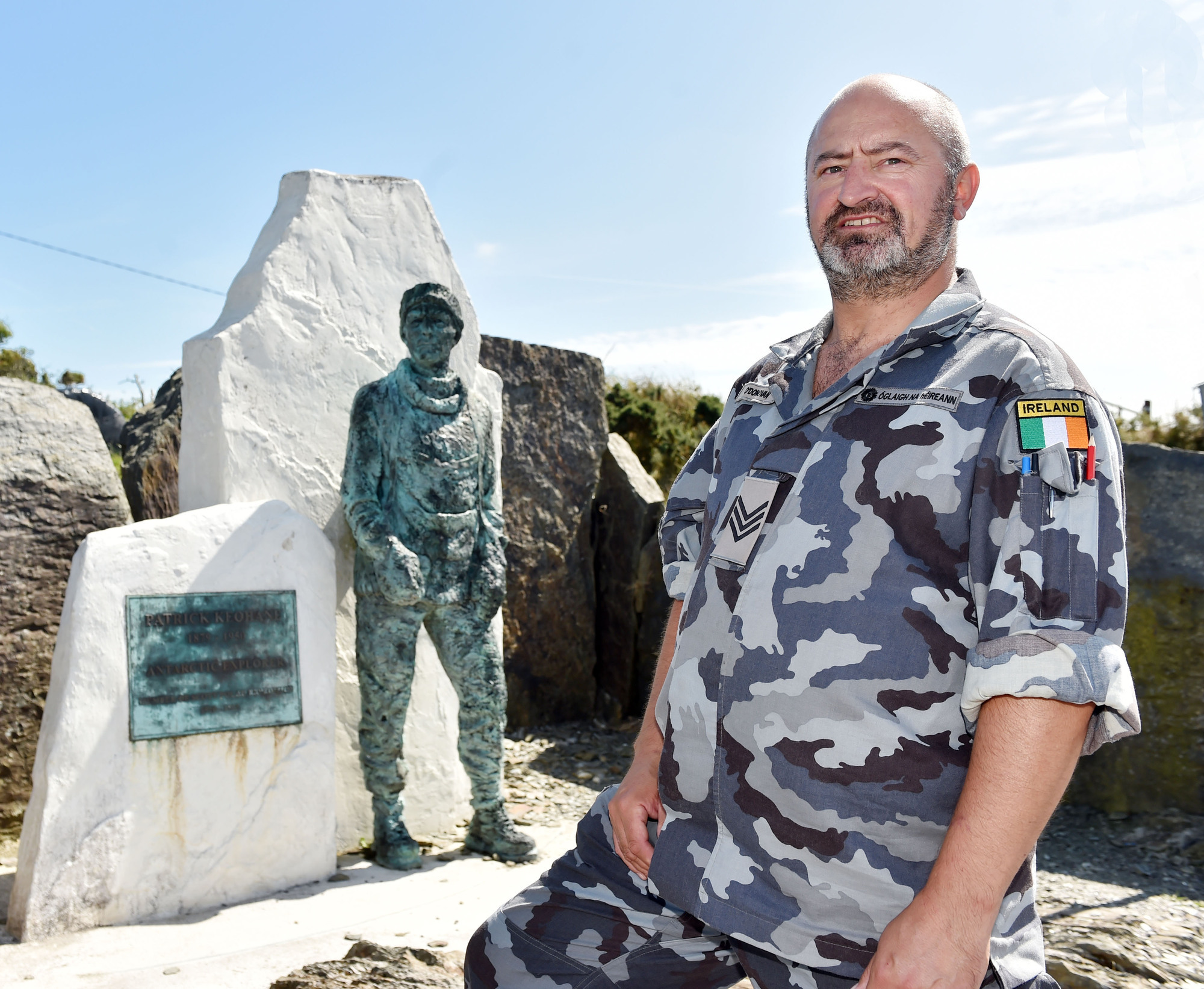
Petty officer Michéal O'Donovan at the memorial to relative Patrick Keohane, antarctic explorer near Broadstrand Beach at Courtmacsherry. Picture: Eddie O'Hare
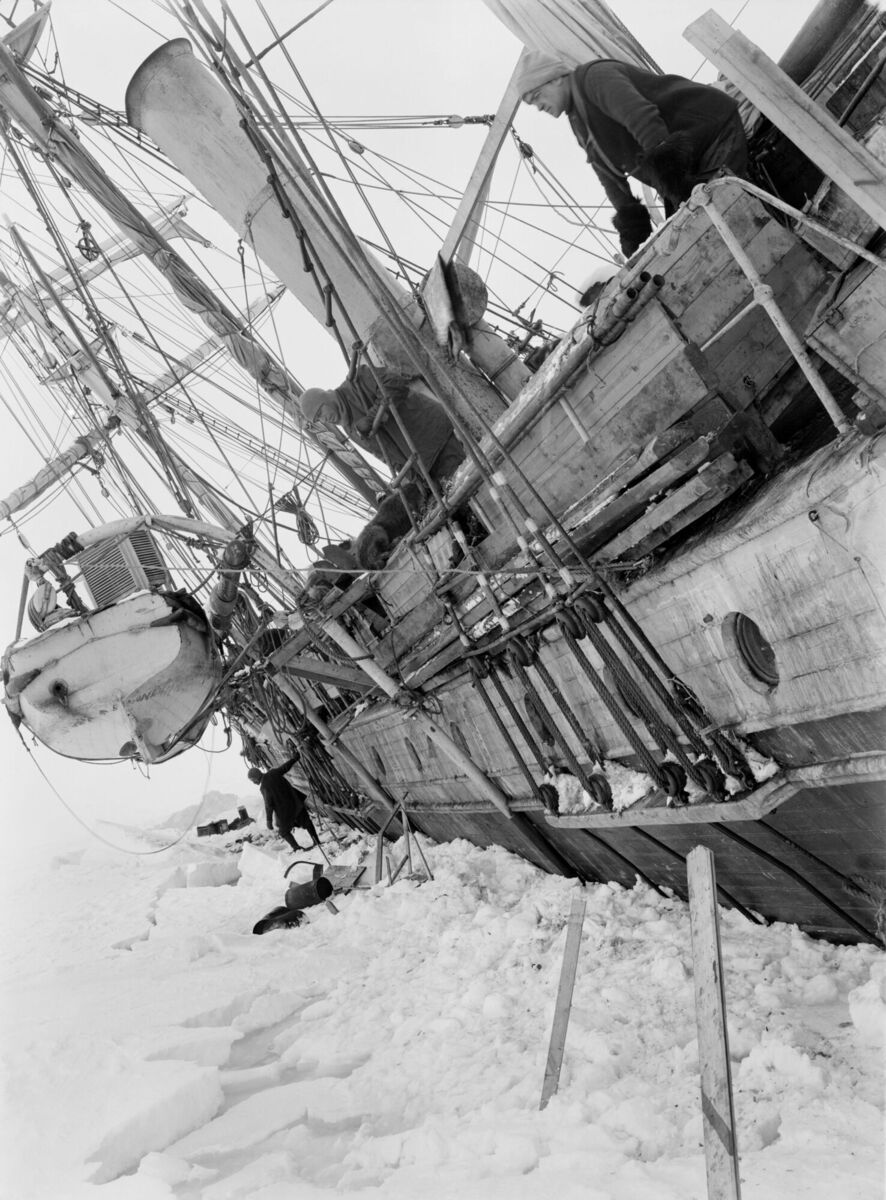
A push is on to get new Naval Service ships named after Irish-born polar explorers, including Ernest Shackleton whose ship Endurance was discovered a few days ago, and Corkman Edward Bransfield who's credited as the first person to see Antarctica.
Naval Service ships in recent years have been named after women and writers, but now lobbyists want the country's role in polar discovery recognised.
The Naval Service is to get three new ships and its reserve four smaller boats, so polar enthusiasts believe there's plenty of scope to honour Shackleton and Bransfield and some lesser-known Irish-born explorers.
Two of the new ships are coming from New Zealand, which is one of the closest countries to Antarctica, and the government is looking to build a much larger MRV (Multi-Role Vessel).
A lobby group was set up a few years ago to get one of the newer class of Naval Service ships (P60s such as LÉ William Butler Yeats and LÉ George Bernard Shaw) named after Kerry-born polar explorer Tom Crean. However, a new maritime research vessel has since been named after him, so it's unlikely any of the new navy ships will bear his name.
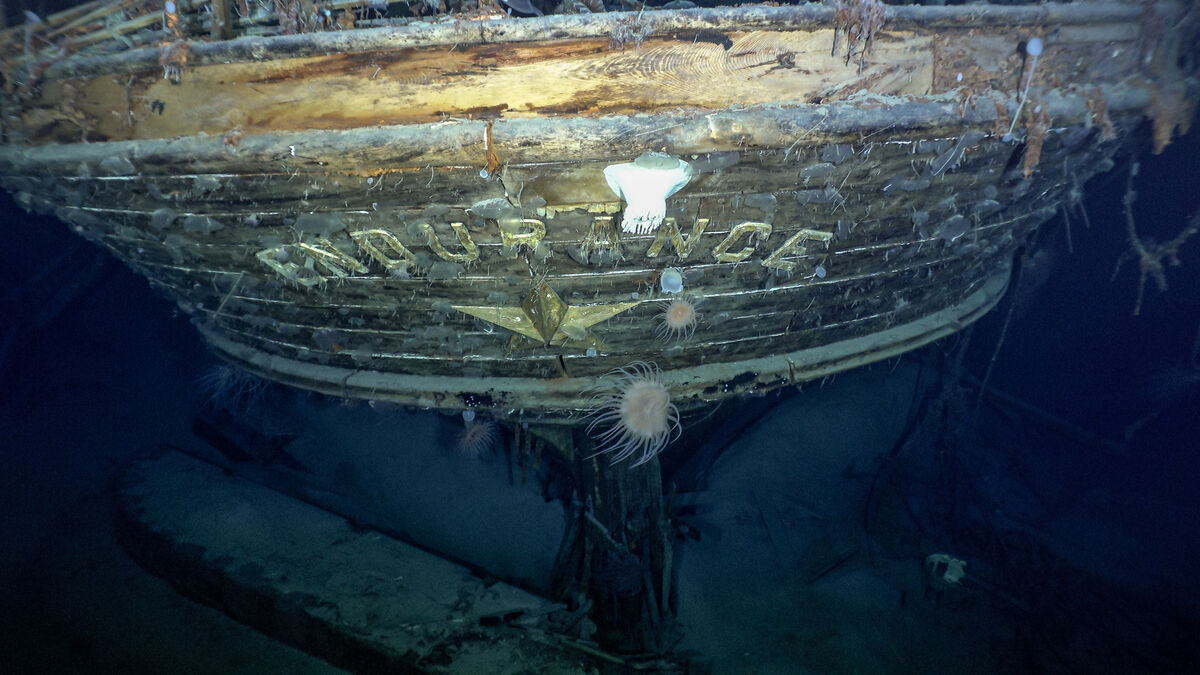
However, the discovery of Endurance puts Shackleton's name to the forefront.
Seamus Taaffe, a director of the Shackleton Museum in the village of Athy, where the explorer was born, believes "without a shadow of a doubt Shackleton is Ireland's most iconic explorer" and deserves the honour of having a new Naval Service ship named after him.
Mr Taaffe said Shackleton is even better known outside of Ireland than here (although awareness is growing) and in particular said the MRV would be the ideal ship to bear his name.
The MRV is expected to replace the Navy Service's mothballed flagship, LÉ Eithne. It will be designed to transport troops for peacekeeping duties abroad and to aid in humanitarian crises.
Mr Taaffe said it would make total sense "to have a hugely-recognisable name" emblazoned on its side because the ship will essentially be a 'goodwill ambassador.'
He said publicity surrounding the discovery of Endurance will inform even more people around the world of what Shackleton achieved.
If it hadn't been for Edward Bransfield Shackleton's exploits may never have occurred.
On 2 June 1803, Bransfield, then just 18, was taken from his father's fishing boat and press-ganged into the Royal Navy to fight the growing threat of Napoleonic France.
Born in the village of Ballinacurra, near Midleton, Co Cork, he began as an ordinary seaman but quickly moved up the ranks.
In 1819, after a brief and uneventful voyage into the Southern Ocean, Bransfield reached the South Shetland Islands.
He then landed on King George Island and took formal possession of it on behalf of King George III (who had died the day before on 29 January 1820), before proceeding in a south-westerly direction past Deception Island not investigating or charting it.
Turning south, he crossed what is now known as the Bransfield Strait. On Jan 30, 1820, sighted Trinity Peninsula, the northernmost point of the Antarctic mainland.
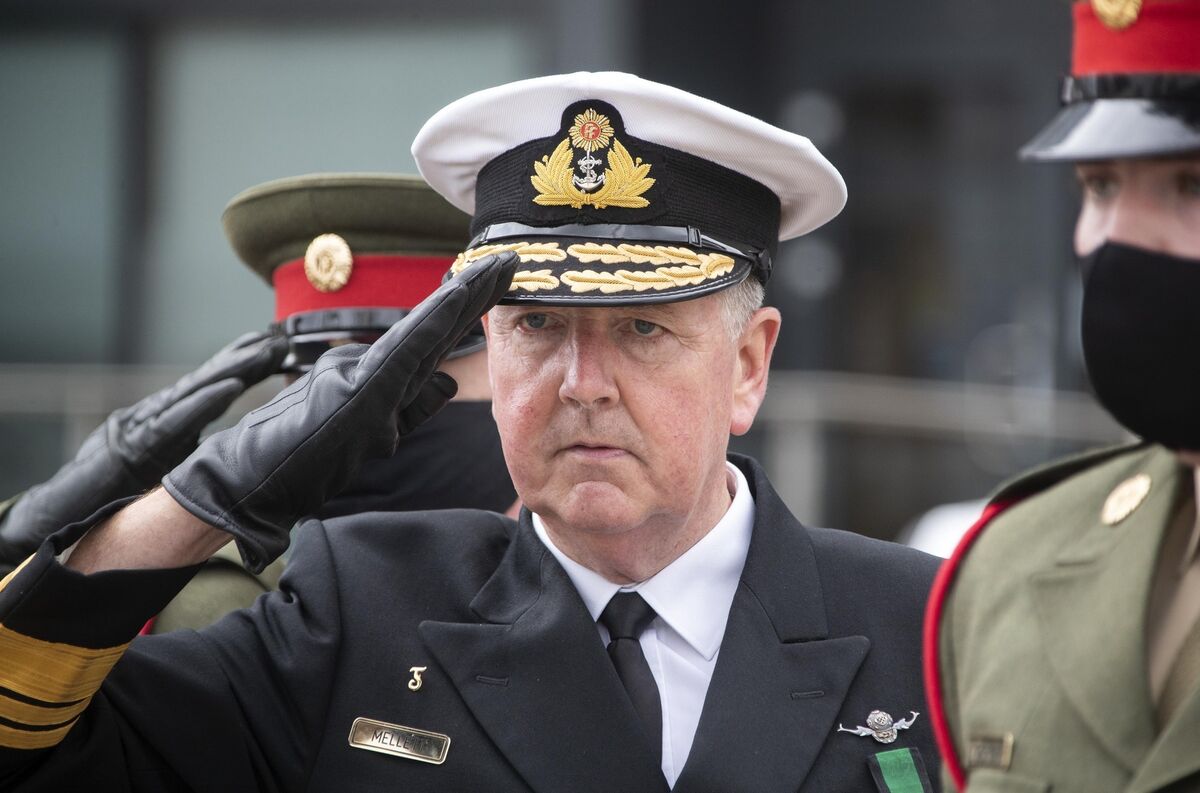
Mr Eugene Furlong and a group of enthusiasts fundraised for a memorial for Bransfield, which was unveiled in Ballinacurra to mark the 200th anniversary of the discovery by then Chief of Staff of the Defence Forces, Vice Admiral Mark Mellett.
Mr Furlong points out there were other somewhat lesser-known polar explorers who deserve to have ships named after them.
The McCarthy brothers, Mortimer and Timothy, from Kinsale, both participated in South Pole expeditions.
In November 1910, Mortimer lost two fingers to frostbite after being on the Terra Nova ship's expedition, led by the famous Captain Scott.
On his return to Cardiff onboard the Terra Nova in 1913 he was presented with the Silver Polar Medal by King George V at a ceremony in Buckingham Palace.
In 1963, Mortimer revisited the Antarctic with an American expedition to Scott’s hut at Cape Evans. At the age of 81, he's believed to be the oldest man to ever visit Antarctica.
Mortimer's brother, Timothy, joined Shackleton's Endurance expedition.
He was was one of the six men who made the journey from Elephant Island to South Georgia onboard the James Caird, though he did not cross South Georgia in the famous rescue effort to help the stranded ship's crew.
Instead, he stayed with fellow crewman Vincent McNish who wasn't well enough to move.
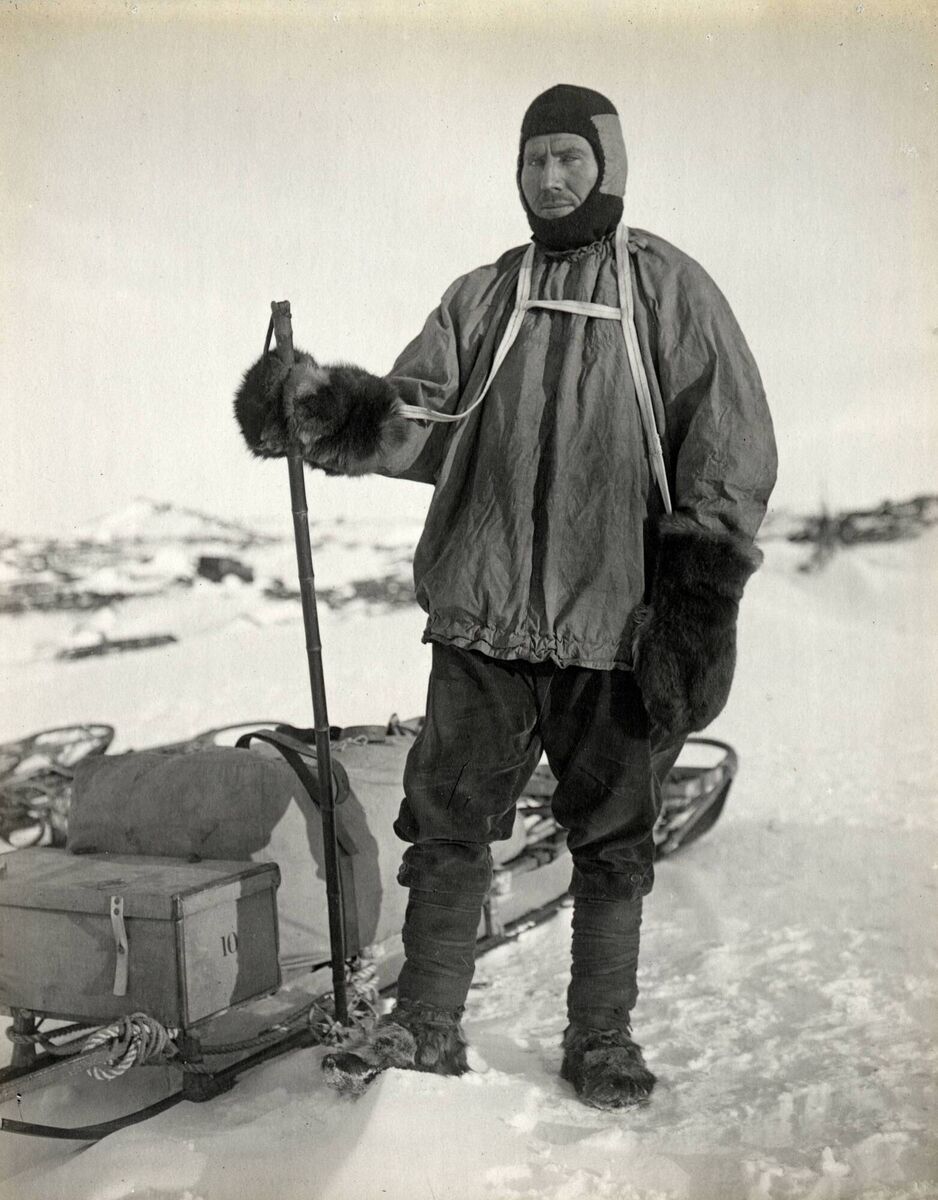
Then there's Robert Forde, from Bandon, Co Cork. He was also a member of the Terra Nova Expedition under Scott.
“He was one of those people who could turn their hand to anything. He was involved in the erection of Scott's hut, and built a field kitchen supplied with running water from melted snow on Cape Geology,” Mr Furlong said.
Patrick Keohane, then age 30, was selected to join the Terra Nova Expedition to Antarctica.
Keohane was from Courtmacsherry and a statue of him and details of his exploits stand close to the site of his old family home.
Keohane (1879 – 1951) was a member of the second supporting group. They were the first to turn back from the struggle toward the pole on Dec 22, 1911.
On their journey back to Cape Evans, Keohane fell down crevasses to the full length of his harness eight times in 25 minutes. He was also a member of the search party that found the bodies of Scott, Wilson, Bowers, and Evans.
The family's maritime connections continue today as one of his close descendants, Michael O'Donovan is a member of the Naval Service and volunteer with the Courtmacsherry RNLI.
CONNECT WITH US TODAY



Be the first to know the latest news and updates