Insects, spiders, mites, and roundworms: Tourists may be to blame for bringing invasive species to Ireland
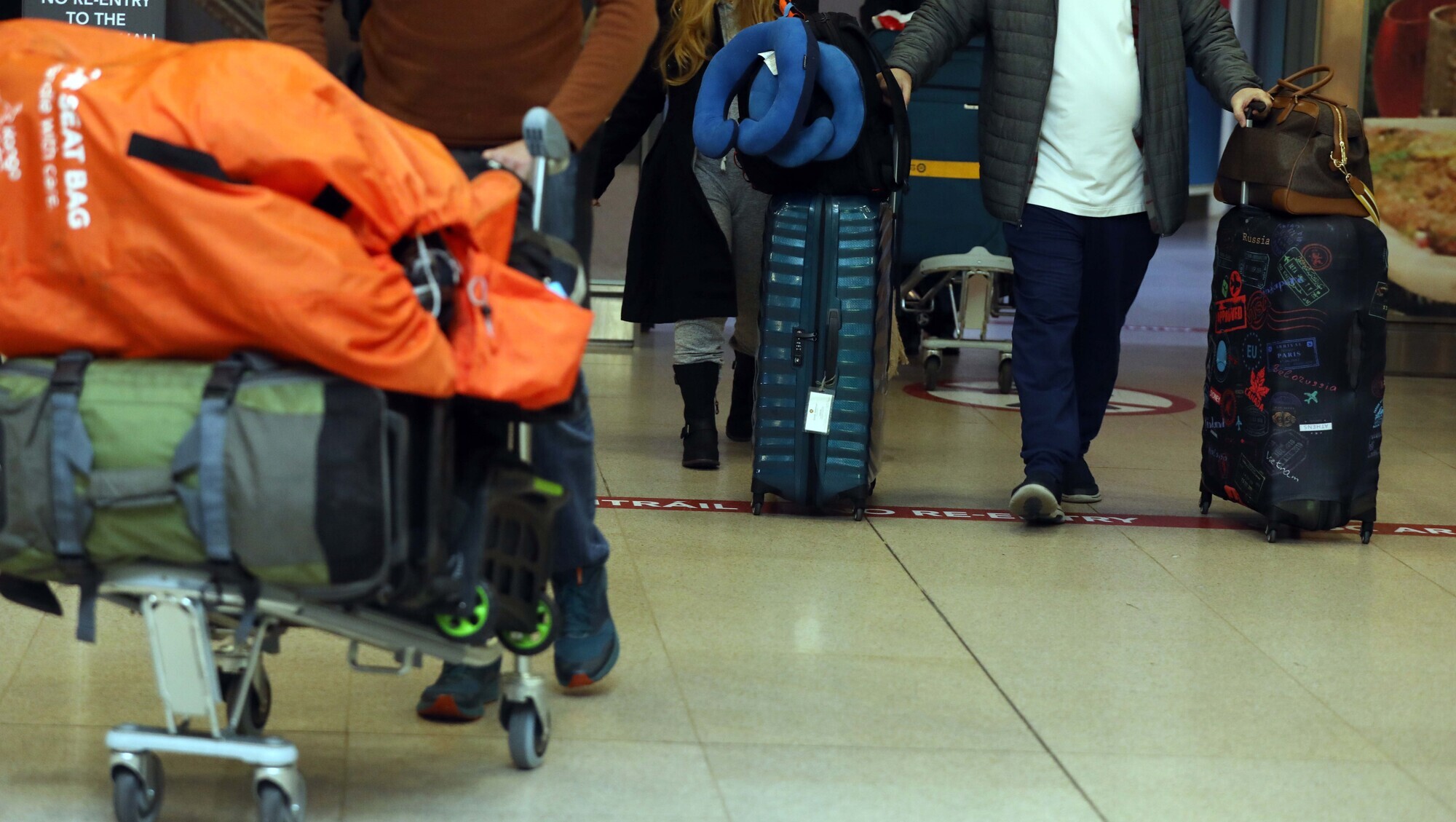
Between-country tourism is established as a facilitator of the spread of invasive alien species. Picture: Leah Farrell / RollingNews.ie
Tourists and returning residents may be contributing to the plague of invasive species in countries like Ireland, inadvertently bringing in harmful species in luggage and footwear, new research suggests.
A study examined the likes of insects, spiders, mites, snails, plants, and roundworms being reported at accommodation in New Zealand and researchers found what they called a "significant correlation".
Dr Andrew Robinson of the Centre of Excellence for Biosecurity Risk Analysis at the University of Melbourne and Mark McNeill of AgResearch New Zealand found that the number of nights spent in hotels and the detection of invasive species had a direct relationship.
The researchers said: "Between-country tourism is established as a facilitator of the spread of invasive alien species; however, little attention has been paid to the question of whether tourism contributes to the arrival and subsequent dispersal of exotic organisms within national borders.
"We suggest that this study provides conditional evidence that international tourism contributes to the introduction of exotic organism, and within-country movement of both international and domestic tourists aids the secondary dispersal of exotic organisms."
Like Ireland, New Zealand has a thriving international and domestic tourism industry, and if similar results were extrapolated here, it may go some way to explaining the growing problem of invasive species.
According to Invasive Species Ireland (ISI), creatures not native to ecosystems are the second greatest threat to biodiversity worldwide, after habitat destruction.
Invasive species can negatively impact on native species, transforming habitats and threatening whole ecosystems, causing serious problems to the environment and the economy, ISI said.
Since the 17th century, invasive species have contributed to nearly 40% of all animal extinctions for which the cause is known, according to the ISI.
Annual environmental losses caused by introduced pests in the US, UK, Australia, South Africa, India, and Brazil have been calculated at over $100bn (€85.5bn), it added.
Last month, a national campaign to arm the public with knowledge of invasive species was launched after an increase of 183% from 1961 to 2010 in Ireland.
The Leave No Trace Ireland campaign has partnered with Waterways Ireland, the National Biodiversity Data Centre, Inland Fisheries Ireland, and the Marine Institute, as well as water sporting bodies throughout the Republic and the North, to warn about the impact of invasive species.
On Ireland's waterways, they include the water soldier plant, a type of carp fish called a chub, and pink salmon, Leave No Trace Ireland ecologist Padraic Creedon said.
“These are non-native species that have been introduced by human intervention, outside their natural range that can threaten our native wildlife, cause damage to our environment, economy and human health," Mr Creedon said.
Waterways Ireland chief executive John McDonagh said inland waterways are "rich ecological and heritage corridors" but that invasion can cause huge damage.
CONNECT WITH US TODAY



Be the first to know the latest news and updates