New data shows 88 people have died in direct provision since it was established
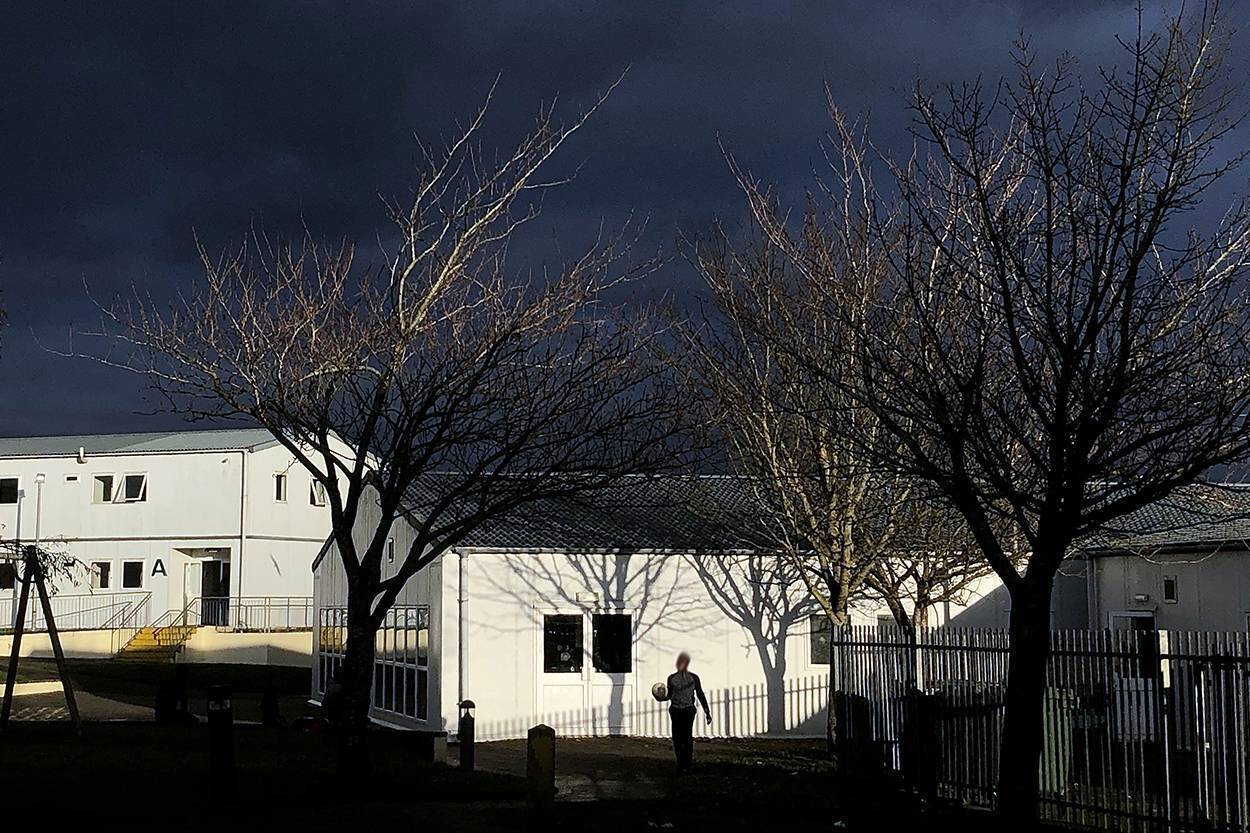
IPAS said it was publishing these statistics on a bi-annual basis in a bid to 'balance the need for openness and transparency' with the ''expectation of privacy and consideration of the sensitive nature surrounding the death of any individual for their family and friends'. File picture
Almost 90 people have died while in direct provision since its inception.
New figures from the International Protection Accommodation Service (IPAS) show that up to June 1, 2021, 88 people have died in the facilities.
IPAS said it was publishing these statistics on a bi-annual basis in a bid to “balance the need for openness and transparency” with the “expectation of privacy and consideration of the sensitive nature surrounding the death of any individual for their family and friends”.
According to the data, 59 of the people who died in direct provision were male, 25 were female and four were defined as either other or not known.
In Cork, 16 residents of direct provision have died since 2002 while a further 34 based in Dublin have died.
A total of 15 children under the age of three have died since 2002. A further three children aged three-12 have died, four aged 13-17 have died and seven aged 18-25 have died. The highest proportion was in people aged 26-40 (30 people) and 40-55 (22 people).
A total of 20 individuals of Nigerian nationality have died in direct provision, along with eight people from Pakistan, seven from Georgia, six from Zimbabwe and five from DR Congo.
The causes of death included cancer (13 people), diseases of the circulatory system (18 people), and respiratory system (seven people).
The number of deaths from accidents, poisoning, or violence was 13. Four of these were in cases where a person died by suicide.
Four children died due to sudden infant death syndrome, while five were recorded as stillbirths.
IPAS said the estimated total number of international protection applicants accommodated since 2002 was 68,000.
It said it was important to note there was “no legal obligation” on any individual or organisation to notify IPAS of a death of a current or former resident, which could mean these figures provided may be an underestimate.
IPAS said there were protocols in place for the notification of a death occurring on a site being used for direct provision.
If a death occurs off-site, then the centre manager must receive confirmation from the relevant authorities on the death, inform IPAS as soon as possible and work to ensure that next of kin, close friends and staff members are informed and offered appropriate supports.
It said the responsibility for determining the death rests with a coroner where a death is notifiable under a section of the Coroner’s Act, 1962.
IPAS noted that deaths in direct provision can generate significant media and social media interest. By publishing these figures in a “timely” manner, it said this should balance the need for transparency with the privacy of individuals involved.
“In no circumstances will IPAS confirm the identity of a deceased resident, or reveal any specific information that may lead to the identification of a deceased resident, or their family members, in response to a request for information from the media, or public representative,” it added.