Minutes of Nphet meeting reveal messaging fears of shift to antigen tests
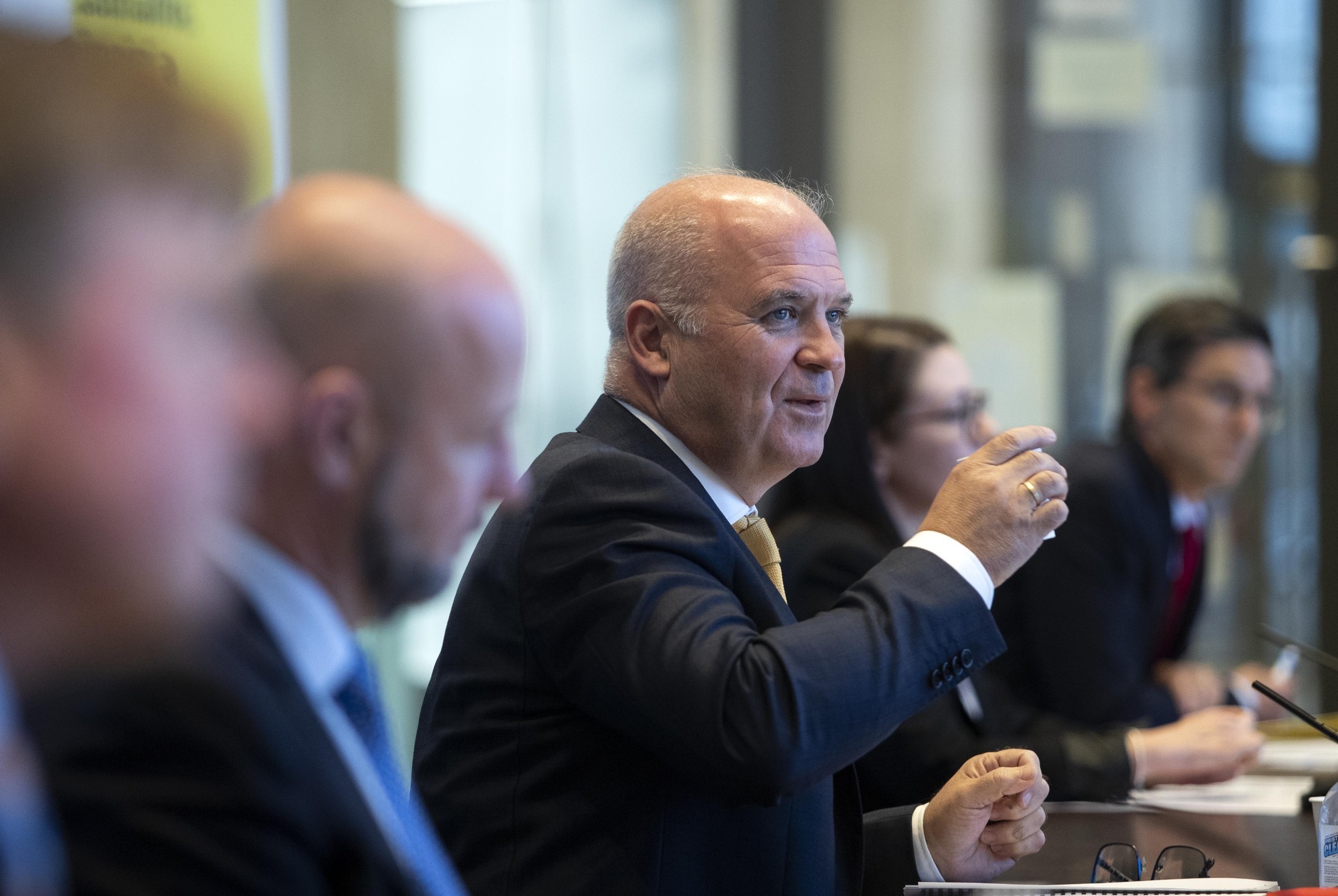
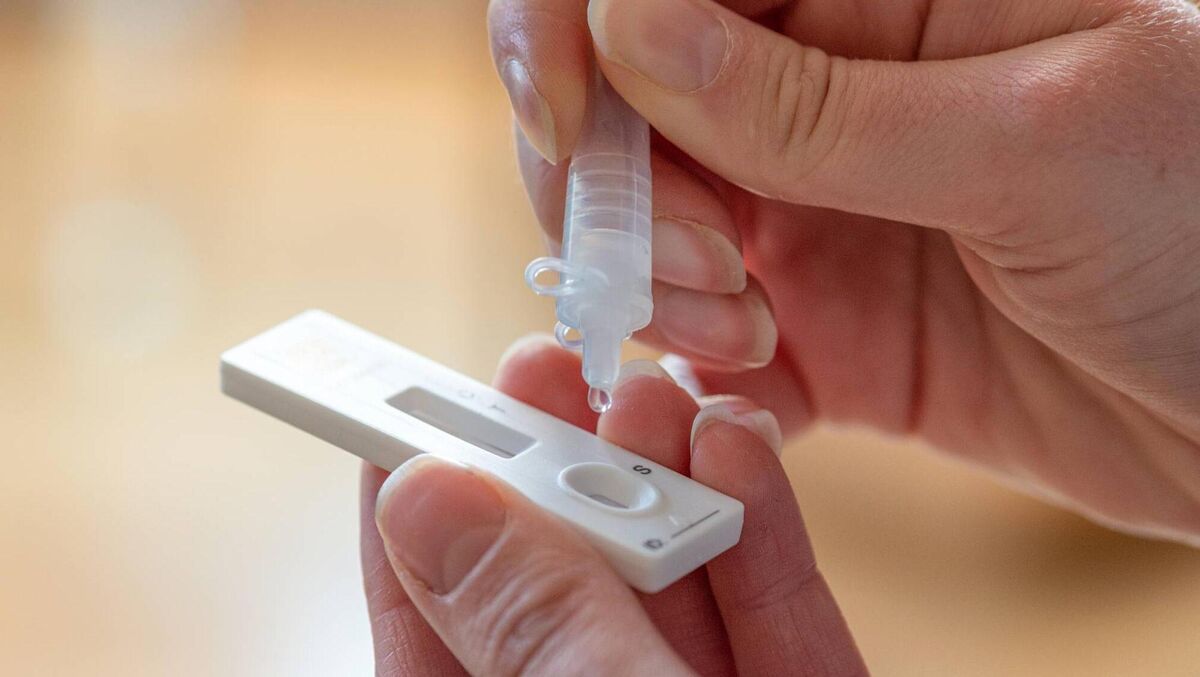
Communicating a shift to antigen testing would be 'challenging' for the National Public Health Emergency Team, Dr Tony Holohan admitted at a private meeting, it can be revealed.
Communicating a shift to antigen testing would be “challenging” for the National Public Health Emergency Team, Dr Tony Holohan admitted at a private meeting.
Minutes of a meeting of Nphet from early December reveal the chief medical officer “accepted” a move to antigen testing would present challenges when communicating that message after months of dismissing it as an option.
Dr Holohan and Nphet had consistently been criticised for warning against the widespread use of antigen testing, with Professor Philip Nolan of Nphet comparing some antigen tests to “snake oil” remedies.
The Government’s own chief scientific officer, Dr Mark Ferguson, produced a report last March advocating wider use of antigen testing, but this was strongly resisted by Nphet.
The minutes would suggest that the move to self-testing by way of antigen — as opposed to insisting on a full PCR testing — came amid the initial surge of the Omicron variant, which Nphet recognised would present “record levels of testing demand”.
The latest minutes of the meeting of December 2, which advocated the closure of nightclubs four days later, reveal concern about how the Omicron variant might impact on the incidence of Covid-19 and demand for testing.
“Given this uncertainty, contingency planning is warranted to examine how best testing capacity can be enhanced if required. The Chair accepted that challenges may arise in communicating the appropriate use of alternative testing modalities in this eventuality,” the minutes state.
Given the need to ensure adequate short-term testing capacity for symptomatic individuals, and recognising high current levels of testing demand, and uncertainty relating to Omicron, Nphet “endorsed the principle of expanding capacity to self-testing and/or self-swabbing testing modalities in symptomatic individuals, acknowledging the need to prioritise the existing PCR testing capacity for certain groups, namely high-risk or vulnerable individuals”.
The minutes also show members agreed the uncertainty of the epidemiological situation behoved Nphet to base its advice around the "precautionary principle"
“While there is no universally accepted definition, in broadest terms it can be understood as when there are threats of serious damage, scientific uncertainty should be resolved in favour of precaution,” the minutes reveal.
The notes from the minutes show that regarding indoor hospitality, members wanted tougher restrictions introduced not just for the indoor hospitality sector but also for hotels.
“Members also stated the need to ensure the application of these enhanced measures along with the requirement for Covid certification in hotels to ensure overall policy coherency and consistency,” the minutes state.
However, it was pointed out that certain exemptions would need to apply for individuals who were resident in hotels for various reasons under existing State schemes.
CONNECT WITH US TODAY



Be the first to know the latest news and updates