Ireland sees number of work-related deaths sink to 32-year low
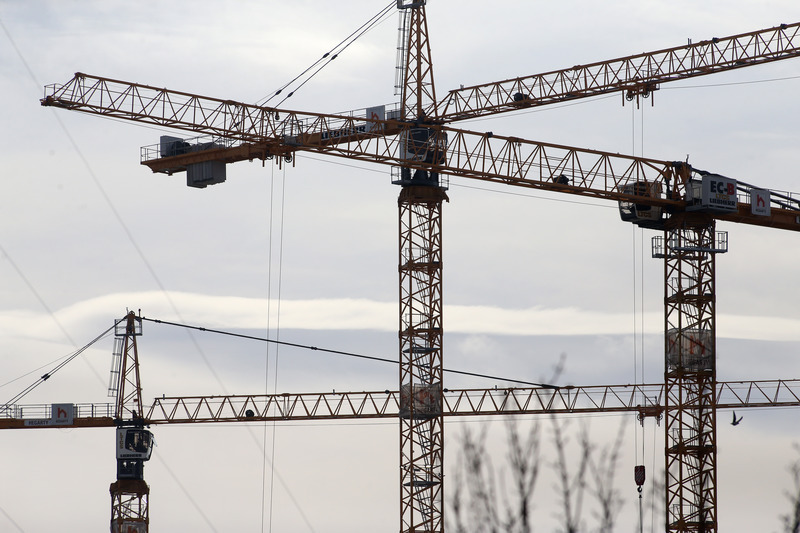
The construction sector saw the highest number of work-related fatalities last year. File Picture: Sam Boal/Rollingnews.ie
Thirty-eight work-related fatalities were recorded in Ireland in 2021, the lowest annual figure for more than three decades.
According to the Health and Safety Authority (HSA), 2021's total represents a 30% decline on the 54 workplace deaths reported in 2020.
Fatalities in the farming sector declined by more than 50% — just nine were reported in 2021, compared with 20 the previous year.
The construction sector saw a 38% decline with just 10 deaths recorded, compared with 16 in 2020.
The other fatalities were recorded in the transportation and storage sector (6), the manufacturing sector (5), forestry and logging (2), wholesale and retail trade and the repair of motor vehicles and personal goods (2), water supply, sewerage, waste management and remediation activities (2), the education sector (1), and in the arts/entertainment/recreation sector (1).
In terms of the exact hazard or trigger which lead to these deaths, 12 involved the loss of control of means of transport or handling equipment, 10 involved falls from height, four were caused by material falling or collapsing from above, three involved the loss of control of an animal and two involved the loss of control of a machine.
The remaining four deaths involved the breakage of material at joints, body movement, an animal attack, and 'other' loss of control.
The exact trigger was not listed in three other incidents.
The overall figure of 38 fatalities is the lowest recorded since the HSA was established in 1989.
In terms of location, Cork, Dublin and Wexford record the highest number of fatalities with five each.
The others happened in Cavan (3), Sligo (3), Donegal (2), Kildare (2), Limerick (2), Mayo (2), Carlow (1), Clare (1), Galway (1), Kerry (1), Laois (1), Meath (1), Offaly (1), Tipperary (1), and Wicklow (1). No fatalities were recorded in Kilkenny, Leitrim, Longford, Louth, Monaghan, Roscommon, Waterford and Westmeath in 2021.
Commenting on the figures, HSA chief inspector Mark Cullen said that while every work-related death is preventable, it was "positive to see such a substantial decline in work-related fatalities in 2021".
"Farming continues to be one of the most dangerous sectors in which to work, but a 50% decline on the 2020 level of fatalities is encouraging and a sign that the safety message is getting through," he said.
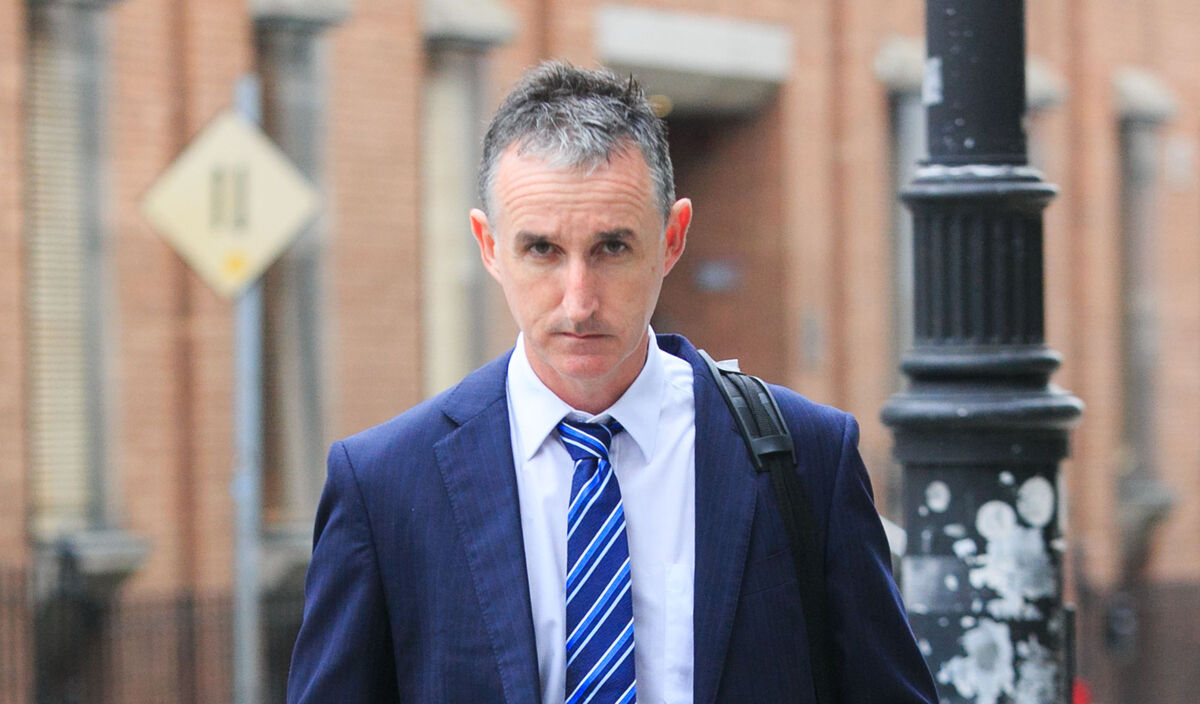
"Our work in the farming sector will continue and I would urge all farmers not to become complacent and let’s make sure that this time next year we’re discussing even fewer lives lost.”
Mr Cullen said the HSA was well aware of the most common triggers and hazards which lead to workplace deaths and injuries in Ireland.
"Losing control of a workplace vehicle, whether that’s a tractor, excavator or another machine, and falling from a height, are the key triggers. If employers focus on these two key areas, many lives will be saved in 2022.”
Going forward, Mr Cullen urged employers and employees planning tasks to "step back for a minute, and make sure the right precautions are in place and nobody is putting themselves or others in danger."
"If working with heavy machinery or at a height, extra vigilance is needed. Don’t assume the unthinkable will never happen," he added.
CONNECT WITH US TODAY



Be the first to know the latest news and updates