Public may be urged to film reckless motorists under new RSA strategy
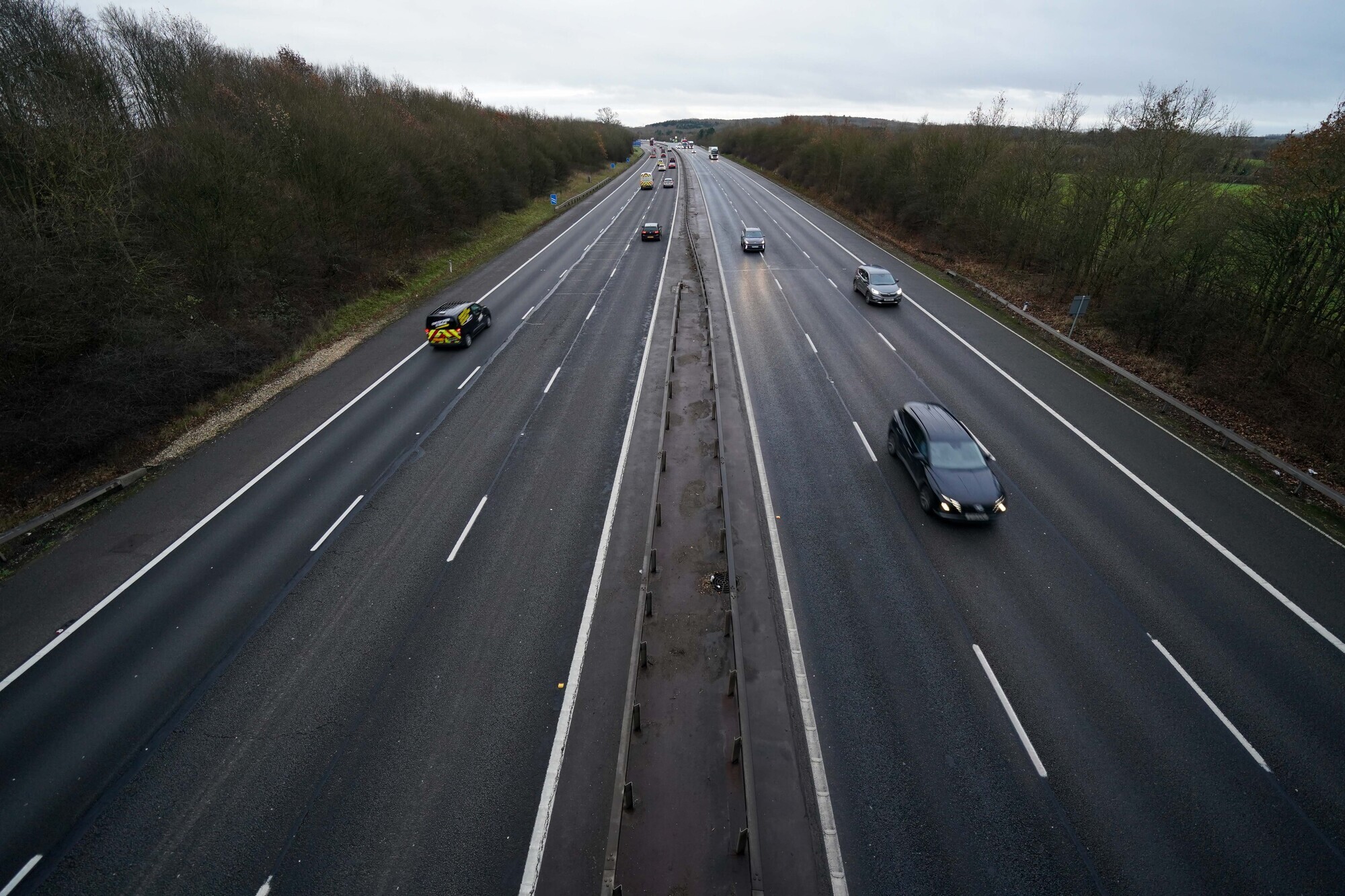
Motorists could also be encouraged to upload footage of road traffic offences to assist in prosecutions, while there will also be ambitious steps to reduce the number of learner drivers on the roads in the coming years.
Speed limits of 30kp/h countrywide could be implemented in all urban areas as part of an ambitious new strategy to reduce road deaths.
Motorists could also be encouraged to upload footage of road traffic offences to assist in prosecutions, while there will also be ambitious steps to reduce the number of learner drivers on the roads in the coming years.
The proposals are part of a series of changes mapped out under the new strategy published by the Road Safety Authority (RSA), which targets a 50% reduction in road deaths by 2030, and the elimination of all road deaths by 2050.
This is the fifth strategy published by the RSA, and road deaths have already declined by almost 70% since the first strategy in 1998.
Among the actions included in the strategy are:
- The establishment of a working group to consider the introduction of a 30kp/h speed limit in all urban areas;
- Exploring the potential of an online portal for road users to upload footage of road traffic offences which could assist in prosecution;
- Reviewing the penalties for serious road traffic offences including the following: impaired driving, speeding, mobile phone use, non-wearing of seat belts, carrying unrestrained children in a vehicle;
- Legislating for increased sanctions for polydrug and drug and alcohol use while driving;
- Eliminating the incidence of unaccompanied learner permit drivers. Reducing the number of learner car drivers who hold a third or subsequent learner permit from 24.6% to a maximum of 10% by 2024.
- Legislating to introduce measures to promote taking of the driving test by multiple learner permit holders and considering introducing mandatory driver training for this.
Ireland achieved the lowest number of annual road deaths since records began and the second-lowest rate of road deaths in the EU in 2019.
However, serious injury figures increased during the 2013–2020 strategy, and while there was a 9% reduction in fatalities during this period, the RSA’s target to reduce deaths to 124 fatalities per year by 2020 was not met.
Launching the new strategy, Minister of State at the Department of Transport Hildegarde Naughton said even one death “is one too many”, as there have been 126 fatalities on Irish roads so far this year.
“The core of the strategy is not about words or numbers on a page, but about saving lives and preventing injuries. It is about people. This strategy is for all those who use our roads, and who have the right to do so safely,” she said.
The primary aim of the new strategy is to reduce the number of deaths and serious injuries on Irish roads by 50% over the next 10 years. This means reducing deaths on Ireland’s roads annually from 144 to 72 or lower and reducing serious injuries from 1,259 to 630 or lower by 2030.
The strategy is the first step towards the Government’s ‘Vision Zero’ commitment to eliminate all road deaths and serious injuries on Irish roads by 2050.
The strategy also has a keen focus on climate objectives, encouraging modal shift by road users to active travel by committing to making it safer for more people to walk and cycle.
Commenting on the strategy, Transport Minister Eamon Ryan said: “Road safety policy does not exist in a vacuum; it must reflect wider societal change and social needs. Concerns about climate change and the need to change our behaviour are being reflected in increased growth in active travel across Ireland. We need to encourage more people to use sustainable forms of transport, eg cycling, walking and using public transport, and this must be supported in our strategic thinking around road safety.”
The Road Safety Strategy 2021-2030 will be delivered in three phases, the first of which runs from 2021 to 2024, and is backed by €3.8bn in funding.

CONNECT WITH US TODAY



Be the first to know the latest news and updates