Urgent action needed as recycling rates drop
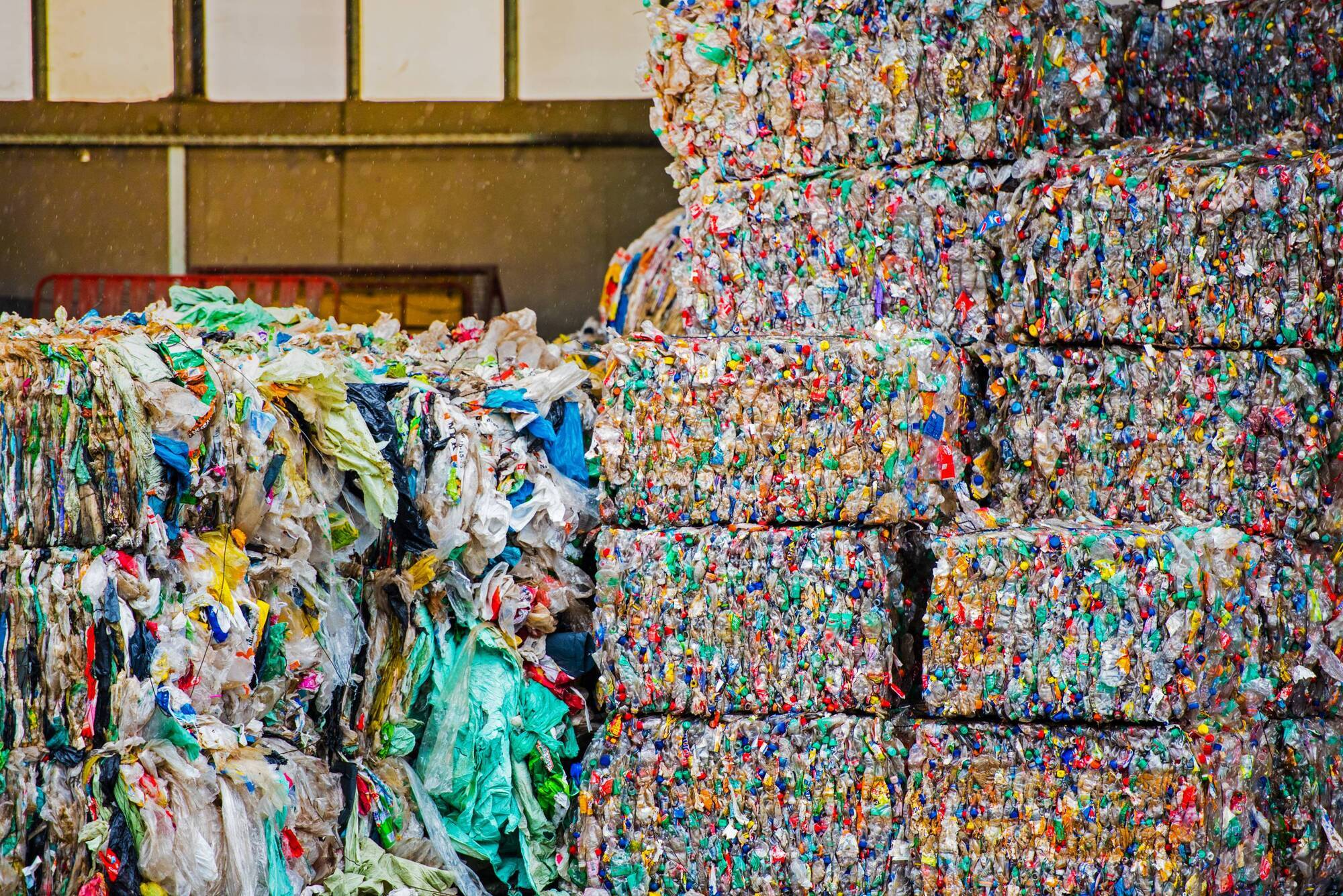
'Ireland’s recycling rates for municipal and packaging waste have been in gradual decline for a number years, as efforts to improve recycling have been outstripped by the growth in waste being generated and the amount being sent for energy recovery,' the Environmental Protection Agency said
Urgent action is needed to reverse worrying trends that have seen recycling rates drop while waste generation has risen, according to the Environmental Protection Agency (EPA).
The body said the gap is widening between recycling and waste produced in Ireland, despite EU targets in the next four years that aim to close the gap.
According to the EPA's latest report, in 2019, municipal waste increased by 6% to 3.1m tonnes, packaging waste increased by 11% to 1.1m tonnes and hazardous waste increased by 10% to 0.6m tonnes – numbers it has called significant.
Recycling of municipal waste fell from 41% in 2016 to 37% in 2019, while recycling of packaging fell from 70% in 2013 to 62% in 2019.
"Ireland’s recycling rates for municipal and packaging waste have been in gradual decline for a number years, as efforts to improve recycling have been outstripped by the growth in waste being generated and the amount being sent for energy recovery," the EPA said.
So-called energy recovery describes the process in which the organic part of waste is converted to some form of usable energy, such as incinerating waste to generate electricity, heat, or fuel.
Environmental experts say while it is preferable to sending waste to a landfill, it should take precedence after processes such as re-using, recycling, and refurbishing.
Energy recovery has seen a huge increase in Ireland in recent years, according to the EPA's report.
Just 15% of municipal waste was landfilled in 2019, compared with 61% a decade earlier, it said. Municipal waste sent for incineration with energy recovery over the same period jumped from 4% in 2009 to 46% in 2019, it added.
Ireland's amount of waste produced is far above the EU average, the EPA's report said.
"Almost 3.1 million tonnes of municipal waste was generated in Ireland in 2019, up from 2.9 million tonnes in 2018. Of this, 52% came from households and 48% from commercial sources.
"This amounted to 628kg of municipal waste per person in Ireland in 2019, an increase from 600kg per person in 2018 and 577kg per person in 2017. The largest increase was seen in the generation of bulky waste, which increased by almost 134,000 tonnes," it said.
Average municipal waste generation in the EU increased from 496kg per person in 2018 to 502kg per person in 2019.
Hazardous waste and construction waste also saw significant rises in Ireland.
"Hazardous waste generation increased by 10% in a year to 0.6 million tonnes. Construction and demolition waste rose to 8.8 million tonnes, up significantly from 6.2 million tonnes in 2018 and 4.7 million tonnes in 2017," the EPA said.
Swift implementation of circular economy policy – keeping materials, components, and products in-use for as long as possible – is critical to reversing the trends, the EPA said.

CLIMATE & SUSTAINABILITY HUB
CONNECT WITH US TODAY



Be the first to know the latest news and updates