One in four people admit misdiagnosing themselves after Googling symptoms
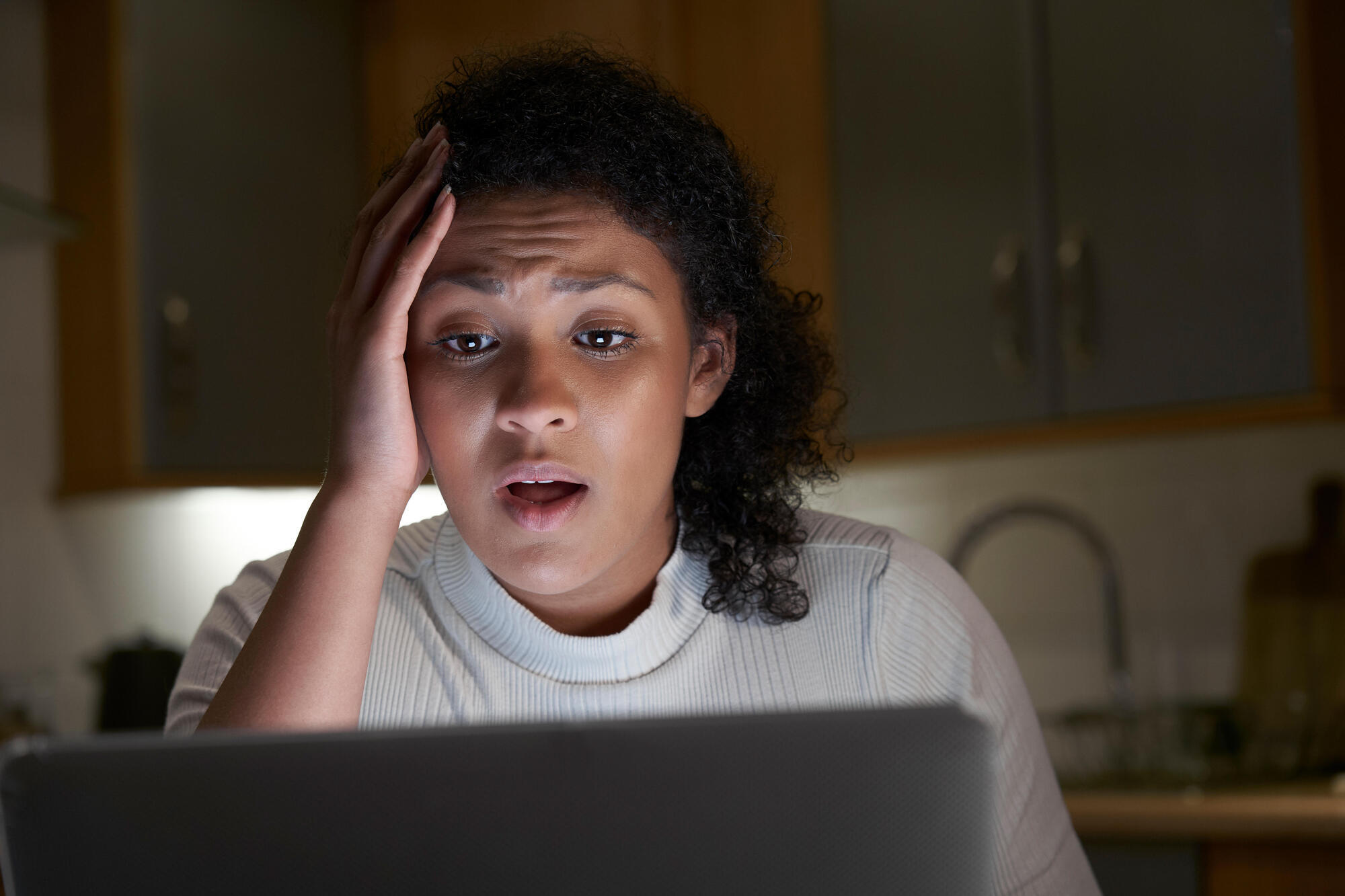
Over half of people said that they were left more anxious than reassured after looking up their symptoms.
Doctor Google is more popular than ever since the onset of the pandemic with Irish people frequently turning to the internet for a diagnosis.
New research shows that the first port of call for people when they feel unwell is the search engine.
People enter their symptoms and hope to find answers for their ailments.
Worryingly, those using the internet as their source of medical information are doing so with the knowledge that what they are being told may not be accurate.
Almost 60% admit they are not sure if the health information they are viewing is trusted or approved by medical professionals, according to research from Astellas Pharma.
One in four said they have misdiagnosed themselves after turning to the internet for guidance on their health.
Medical professionals fear that some people who are using the internet as their main source of health information have medical conditions that are being left undiagnosed.
People are continuing to suffer symptoms in silence instead of consulting professionals for proper advice and treatment.
In addition to this, sourcing medical data online is a source of stress for most people.
Over half of people said that they were left more anxious than reassured after looking up their symptoms.
Often searches will lead users to the worst case scenario rather than offering the same individual assessment of the issue that a doctor can offer.
Cyberchondria is a term that refers to the unfounded anxiety concerning one's health brought on by visiting health and medical websites.
Over a third of people surveyed admitted that since Covid-19 arrived they prioritise online searches as a way to diagnose health issues over visiting their GP.
The Medical Director of the Irish College of General Practitioners, Dr Diarmuid Quinlan, said that if people have concerns about symptoms they should pick up the phone and call their GP and make an appointment if necessary.
"Most people give a lot of thought to their symptoms, and often ask their family and friends, and go on the internet to search for data, including symptoms," said Dr Quinlan.
"The challenge is finding reputable websites. We highly recommend people use reputable websites for information on symptoms."
Dr Quinlan recommends the HSE website as a great resource for most conditions and more specifically for the current wave of respiratory illnesses.
People were encouraged not to visit doctors' surgeries where possible, and where there was a concern the person could have Covid, with many GPs offering an online service as a safe and professional alternative.
"With this new research showing that so many people are now looking to online search engines to self-diagnose health symptoms and a considerable number actually misdiagnosing themselves as a result, it is more important than ever to consult a medical professional if you are experiencing new or concerning health symptoms," said James Forde, Consultant Urologist at Blackrock Clinic.
The research undertaken by Astellas Pharma was launched today as part of a campaign to encourage more people to visit their GP in order to get an accurate diagnosis and the correct treatment for conditions such as overactive bladder (OAB).
OAB is a condition that affects over 350,000 people in Ireland but 36% have never even heard of it.
A new podcast, Control OAB, has been launched to help inform people and to help women and men over the age of 40 to identify and control symptoms.
CONNECT WITH US TODAY



Be the first to know the latest news and updates