Climate Plan aims for 80% cut in emissions from electricity use
New measures will be implemented to phase out the public fleet of petrol and diesel vehicles.
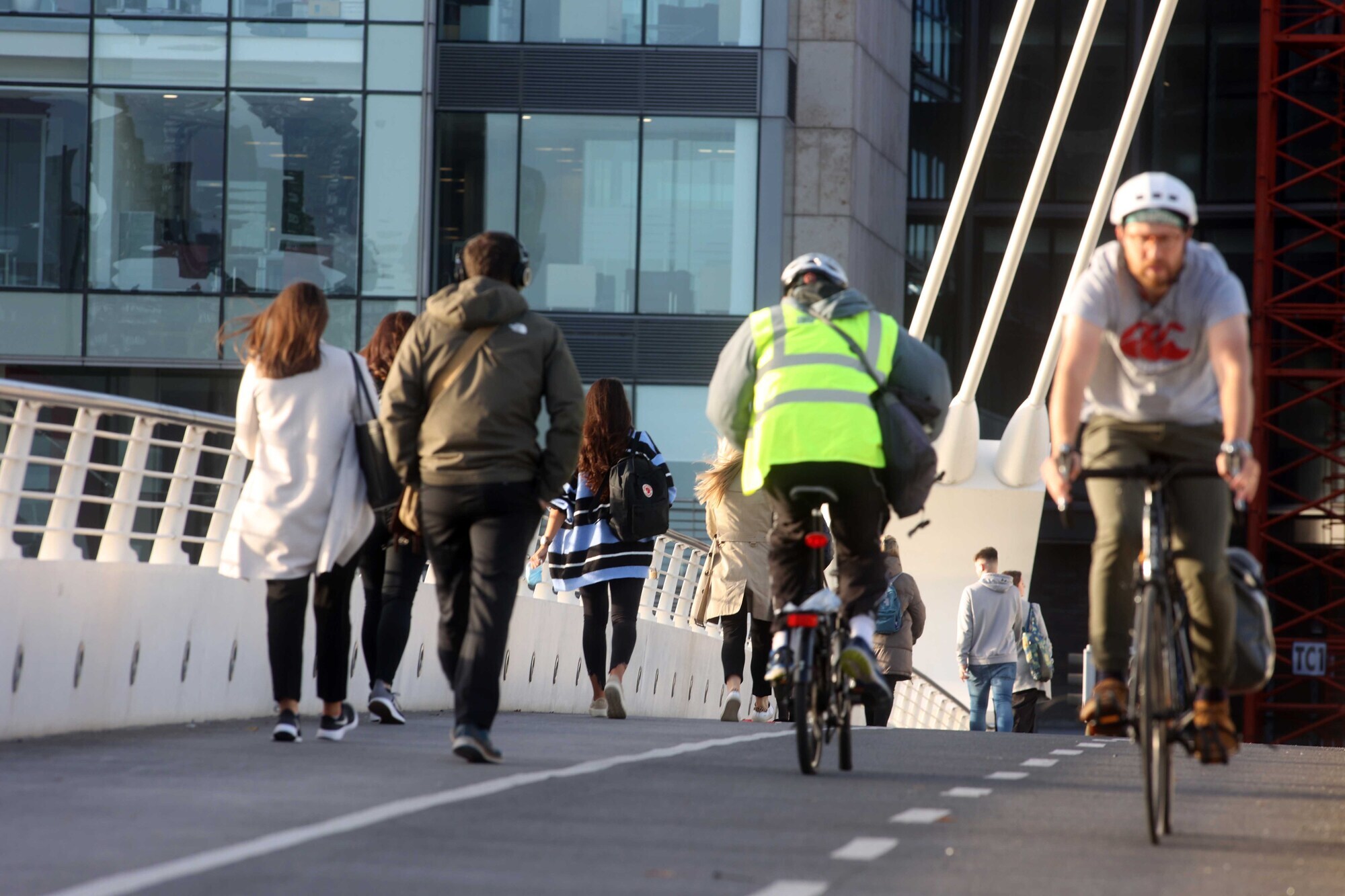
Getting half a million more people a day walking, cycling and using public transport and an 80% cut in emissions from electricity use are among the key elements of the Government's new climate action plan.
The Cabinet sub-committee on Environment and Climate Change met tonight to sign off on the plan which will be brought to Cabinet by Energy Minister Eamon Ryan tomorrow.
The agricultural sector will be expected to cut its emissions by up to 30%, however, Government sources stressed that speculation about any reduction in the national herd is unfounded.
Instead, early calving and early slaughter of livestock are among the main measures being proposed to reduce emissions, as well as new breeding technology and better use of fertilizers.
As well as outlining different targets to help Ireland achieve its overall goal of reducing emissions by 2030, the plan sets out specific targets for individual sectors.
These emission reduction targets include:
- 22%-30% from agriculture
- 62%-81% from electricity use
- 29%-41% from enterprise
- 44%-56% from construction
- 42%-50% from transport
Other targets include a 45% increase in the proportion of kilometres travelled by electric cars across the country.
Listed as an "important measure", the plan aims for an 80% cut in emissions from electricity usage.
The Government has set a target of 5GW (5,000 MW) of offshore wind electricity by 2030, marking a large increase, however, experts have previously warned that Ireland will fail to meet its renewable energy targets if this offshore target is not met.
Microgeneration supports for householders, farmers and businesses such as solar panels will also be pledged.
The Government has already committed to retrofitting half a million homes by 2023, and 680,000 alternative heat sources will be installed in other new and existing residential buildings.
New measures will be implemented to phase out the public sector fleet of petrol and diesel vehicles, as well as schemes to incentivise sustainable trucks, buses and vans. All new fleet purchases in the public sector are to be zero-emission vehicles, where available and operational, by 2023.
This move would put Ireland "well ahead" of EU directives in this area, according to one government source, and "provide an example to lead the revolution in electrification."
Minister for Culture and Green Party TD Catherine Martin said of the plan: "I think the recent report from the UN intergovernmental panel on climate change is a code red for humanity.
"Those targets will not be easy to reach but what we have to remember is that we're in an existential crisis here, and everything has a benefit as well... when it comes to emission reductions, you have to look at cleaner air and public transport increasing, less traffic congestion, and more jobs."
Meanwhile, the Taoiseach rejected criticism from Social Democrats co-leader Róisín Shortall in the Dáil on Ireland’s ability to reach its 51% target to reduce carbon emissions by 2030.
Ms Shortall said a statement from Tánaiste Leo Varadkar on Tuesday that Ireland would reduce its methane emissions by only 10%, suggested that Ireland has no intention of trying to achieve the 30% global commitment to reduce methane emissions it has signed up to.
She suggested the Taoiseach was signing "commitments at COP which you cop-out of" before the ink has dried on the paper.
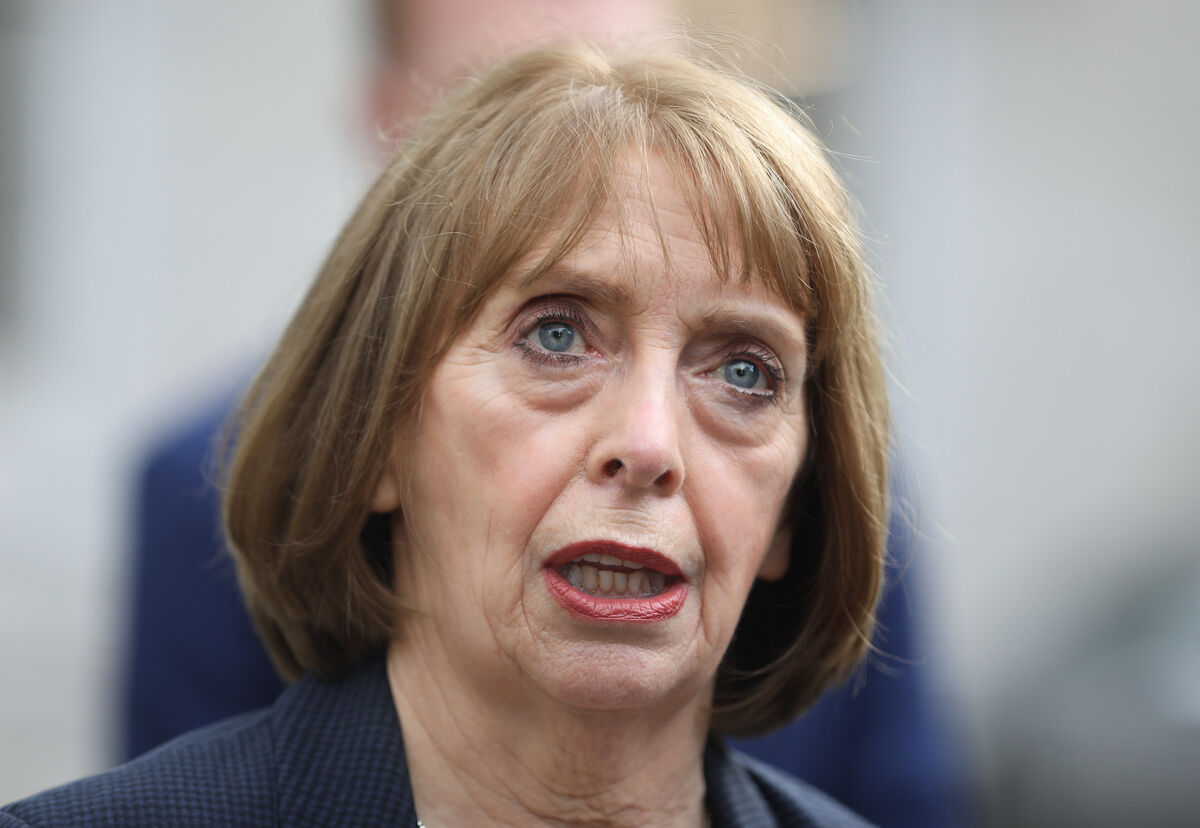
The Taoiseach in turn accused Ms Shortall of being "somewhat disingenuous" because he said the global commitment of a 30% reduction did not compel individual countries to reach that target.
Also going to cabinet tomorrow, the Minister for Agriculture Charlie McConalogue will bring an update on the progress of establishing a National Food Ombudsman / Regulator office.
To clear the way for the establishment of the office, the Minister has established an Unfair Trading Practices Enforcement Authority.
The Unfair Trading Practices regulation was signed into law earlier this year and it prohibits 16 unfair trading practices and provides protection for any supplier of agriculture and food products with a turnover of up to €350m.
The Ombudsman / Regulator office will enforce the unfair trading practices and is designed to bring transparency to the food chain. Breaching of the unfair trading practices carries a maximum fine of €500,000 or three years in prison.
The Department of Agriculture has provided €4m in next year’s budget for the creation of the office.


CONNECT WITH US TODAY



Be the first to know the latest news and updates