'They are not frightened enough' – Irish academic criticises government leaders at Cop26
'They are not frightened enough' – Irish academic criticises government leaders at Cop26

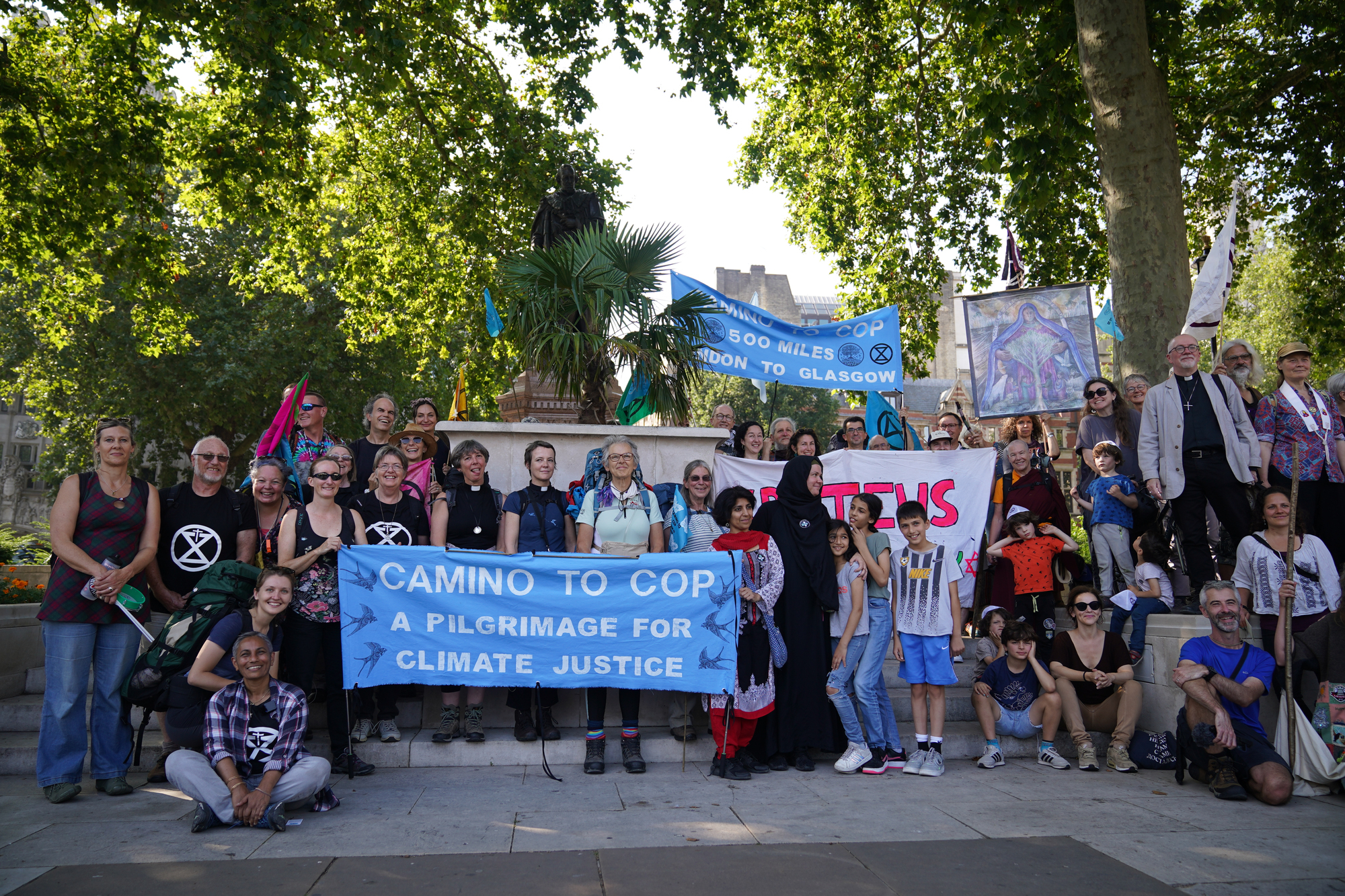
'There are the protests happening across the city organised by groups like Fridays for Future and Extinction Rebellion, which due to the policing and access restrictions are totally separate from the conference venue.'

Cop26 in Glasgow is like “two parallel universes”, with government leaders tucked away from protestors and environmentalists throughout the city – leading to a palpable disconnect to the urgency of climate change.

That is according to Dublin City University (DCU) Business School assistant professor of accounting, Dr Aideen O'Dochartaigh, who said world leaders refusing to hear the fear and anger throughout the city as Cop26 went on threatened to scupper future success.


Dr O’Dochartaigh, who is one of a number of Irish academics in attendance at the UN climate change event in Glasgow over the next two weeks, said the disconnected voices had to be heard.

"Cop26 should be an opportunity for those most affected by climate change – developing countries, the poor, the youth – to hold those responsible for climate change to account. But my impression of Cop26 so far is that this is unlikely to be achieved.

“In Glasgow this week there are – at least – two parallel universes. First, the official negotiations in the Blue Zone, fenced off, heavily policed and with restricted access for activists and NGOs. Second, there are the protests happening across the city organised by groups like Fridays for Future and Extinction Rebellion, which due to the policing and access restrictions are totally separate from the conference venue,” Dr O’Dochartaigh said.

This separation is partly because of Covid-19 but also because of what happened at the 2019 Cop event in Katowice, Poland, where activists staged high-profile protests within the venue and disrupted negotiations, she said.

“The problem is that it creates a kind of cognitive dissonance, where what happens in the negotiating rooms is somehow disconnected to the fear and the anger so many people in the world are feeling about climate change.

“It's so important for world leaders and negotiators to feel that fear and anger because, at the moment, we have a situation where emissions reductions commitments will only deliver a 2.7C world, as opposed to 1.5C which is the absolute maximum to avoid catastrophe. They are not nearly frightened enough,” Dr O’Dochartaigh added.

On the day that Taoiseach Micheál Martin addressed the Cop26 world leaders event, and in the week the Climate Action Plan is to be unveiled by the Government, with carbon targets for sectors such as agriculture and transport, Friends of the Earth said fairness must be at the centre of Ireland’s strategy.

Friends of the Earth (FoE) director Oisín Coghlan said: “That means climate justice for poorer countries that have done least to cause climate change, fairness for young people who face such an uncertain future, fairness between the different sectors that have to cut pollution and a fair and just transition for those most impacted by the radical changes we need to make so urgently.”

FoE said rich countries have failed to keep their word on providing the $100bn in climate finance promised to help developing countries cope with climate change.

The Taoiseach has signalled that Ireland will up its commitments to climate finance from €93m to more than €200m by 2025.

However, FoE said this did not go nearly far enough.

“Given how strong Ireland’s aid programme is generally, our contribution on climate finance has been particularly miserly. Estimates for Ireland’s fair share contribution are between €450-€500m,” the organisation said.

CLIMATE & SUSTAINABILITY HUB

More in this section

Lunchtime News

Newsletter

Keep up with stories of the day with our lunchtime news wrap and important breaking news alerts.

Cookie Policy Privacy Policy Brand Safety FAQ Help Contact Us Terms and Conditions

© Examiner Echo Group Limited