New survey highlights importance of Covid-19 booster programme as 'breakthrough' infections found
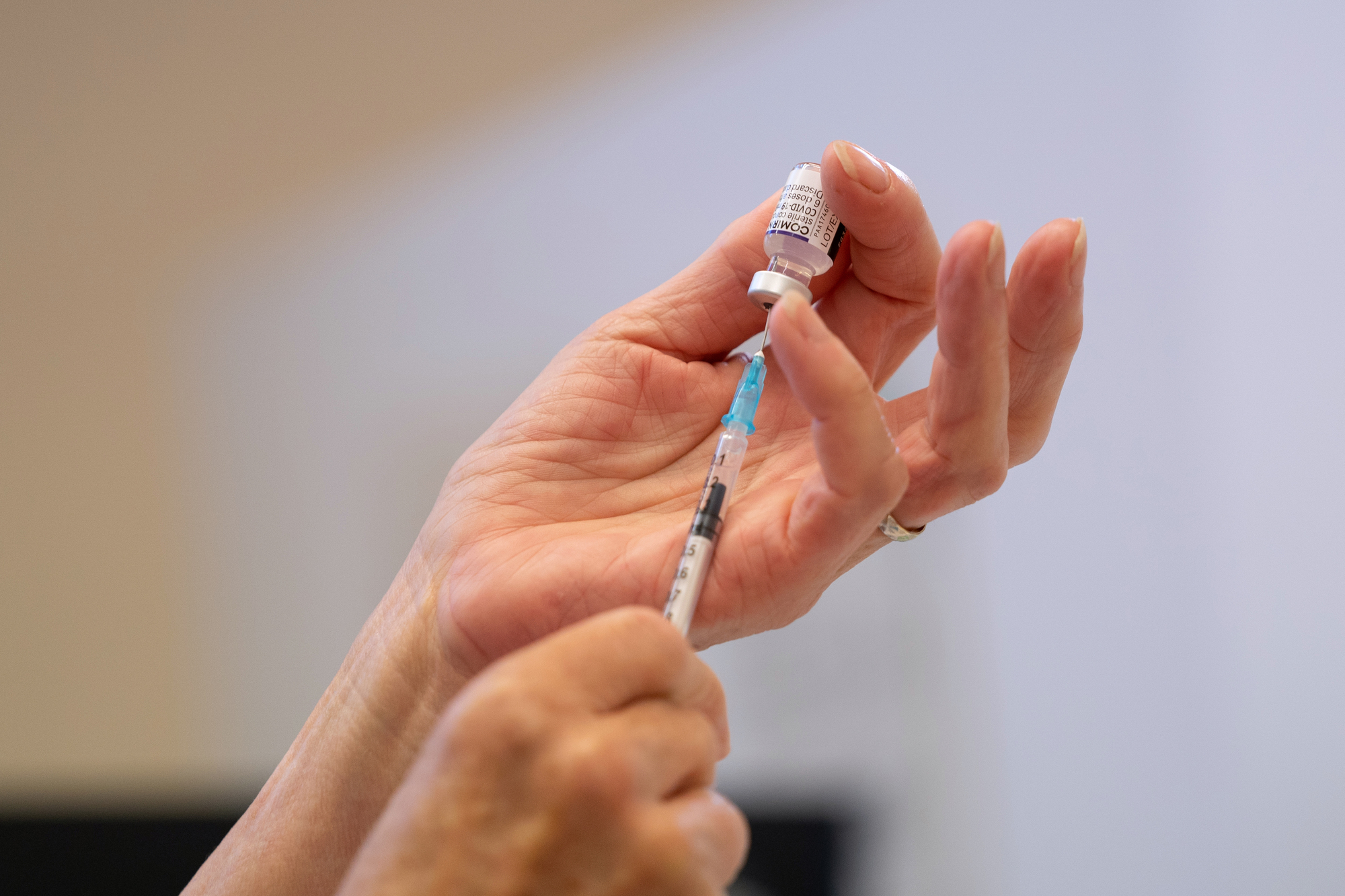
The survey, conducted in England, suggests that protection provided by vaccines against infection starts to wane several months.
A new survey in England has found evidence of “breakthrough” Covid-19 infections more than three months after full vaccination.
Scientists have said that the survey results reinforce the need for a booster programme.
As reported by The Guardian, researchers at Imperial College London analysed more than 100,000 swabs from a random sample of the population in England.
The results showed that Covid infection rates were three to four times higher among people who were unvaccinated when compared to those who were double vaccinated.
They also highlighted evidence of infection months after full vaccination.
According to the new study, full vaccination reduced the risk of infection, with or without symptoms, by about 60%.
However, while full vaccination drove infection rates down substantially (from 1.76% in the unvaccinated to 0.35% in the three months after the second dose), infection rates rose again to 0.55% three to six months after the second shot.
The findings suggest that protection provided by vaccines against infection starts to wane several months after full vaccination.
However, The Guardian stated that other studies do show that protection against hospitalisation and death from the vaccines is far more robust.
The React study utilised community testing throughout the pandemic in England and this latest data includes results from 100,527 swabs provided in September, along with 98,233 swabs from June and July.
In the study, all of the viruses sequenced were the highly transmissible Delta variant.
One sample did carry a mutation called E484K which is believed may help the virus evade immunity from past infection or vaccination.
Paul Elliott, head of the React study said the possible increase of “breakthrough infections over time” reinforces the need for a booster programme.
“It’s an incentive for people to get their booster dose when it becomes available to them,” added Prof Christl Donnelly, a statistical epidemiologist on the study.
Preliminary results from the survey also showed that the highest rates of infection in the month of September were among those aged between five and 17-year-olds.
Among the age group, about 2.5% tested positive. This age bracket was followed by 35 to 54-year-olds which is the age group most likely to have children at school.
The React survey revealed that while infection rates for England were broadly flat in September, the overall picture showed trends among age groups and across different regions in England.
For example, infections were rising sharply in school children, with the R number at 1.18 in those aged up to 17 years old.
The infection rate was almost twice as high in black participants than white and more common in those who live in a house with at least one child and those in larger households.
In Ireland, it is expected that a recommendation will be made in the coming days about the rollout of Covid-19 booster jabs.
CONNECT WITH US TODAY



Be the first to know the latest news and updates