Use of prisons for people with psychiatric illnesses in breach of international obligations
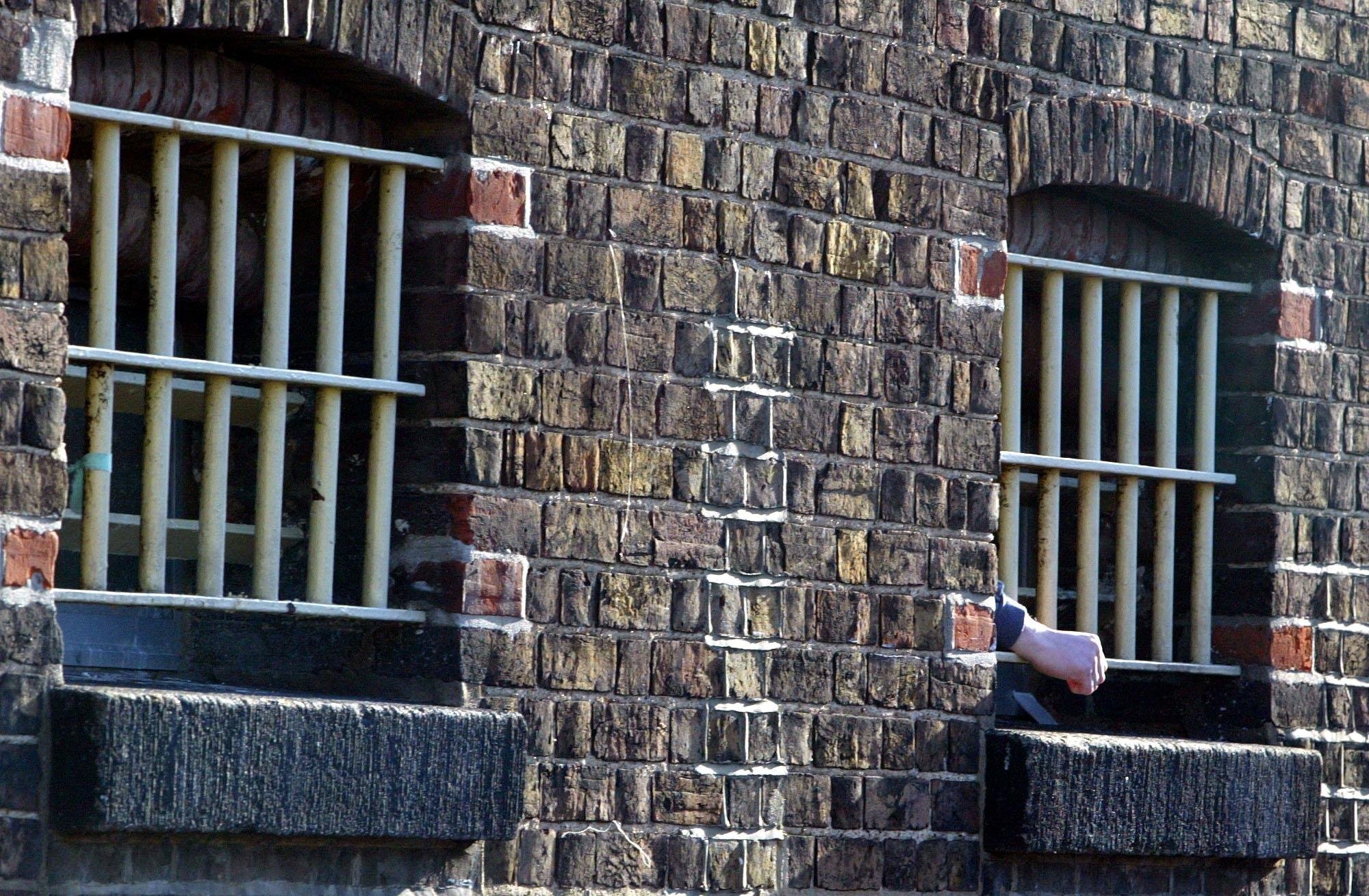
Irish prisons are, in effect, emerging as congregated settings for people with psychosocial and intellectual disabilities, particularly since the closure of large psychiatric hospitals.
The use of institutions such as prisons, homeless hostels and direct provision centres to accommodate people with psychiatric illnesses or intellectual disabilities could be putting Ireland in breach of its international obligations, experts have warned.
As the Government prepares to be quizzed on its adherence to the UN Convention on the Rights of Persons with Disabilities later this year, a team of medical, psychiatric and legal academics have questioned Ireland’s record.
“The use of congregated settings to accommodate people with disabilities in Ireland may be in breach of the UN Convention on the Rights of Persons with Disabilities (CRPD),” according to a paper by staff at University of Limerick (UL), University College Cork (UCC) and Trinity College Dublin (TCD).
The paper, published in the , said a HSE working group report in 2011 highlighted the urgent need for community housing for the 4,000 individuals with intellectual, physical, or sensory disabilities housed in congregated settings.
The paper said that a 2018 analysis by Inclusion Ireland found that people with disabilities were being moved between institutions rather than moving into community settings.
“This is evidence of trans-institutionalisation whereby individuals with disabilities are remanded in diverse institutional sites rather than living independently in community settings,” it said.
“Ahead of its first reporting cycle to the CRPD Committee in 2021, Irish policymakers need to recognise and address a culture of trans-institutionalisation for people with psychosocial and intellectual disabilities.
“The institutions include prisons, hostels for homeless people, and direct provision centres for asylum seekers which risk emerging as new congregated settings for people with disabilities.”
The paper was written by Associate Professor at UL School of Medicine, Gautam Gulati; Lecturer in Law at UL, Alan Cusack; Professor of Psychiatry at Trinity College, Brendan D Kelly; Clinical Senior Lecturer at the Department of Psychiatry at UCC, Valerie E Murphy; Professor of Law at UL, Shane Kilcommins, and Director of Research at the School of Medicine at UL, Colum P Dunne.
It said during 1986 and 2010 there was an inverse relationship between closure of psychiatric beds and higher imprisonment and that one study found an “increase of 91 prison committals for every 100 psychiatric hospital admissions foregone”.
It added: “Current data, although incomplete, suggest that nearly one in three prisoners have intellectual disabilities, one in two have substance misuse/dependence and that the prevalence of people with severe mental illness is four times that of the general population.
“Irish prisons are, in effect, emerging as congregated settings for people with psychosocial and intellectual disabilities, particularly since the closure of large psychiatric hospitals.”
It said more than one in six people committed to Irish prisons are homeless.
A study in two direct provisions centres found high levels of post-traumatic stress disorder, depression and anxiety.
CONNECT WITH US TODAY



Be the first to know the latest news and updates