Funding secured for 1,000 new special education teachers and 1,165 SNAs
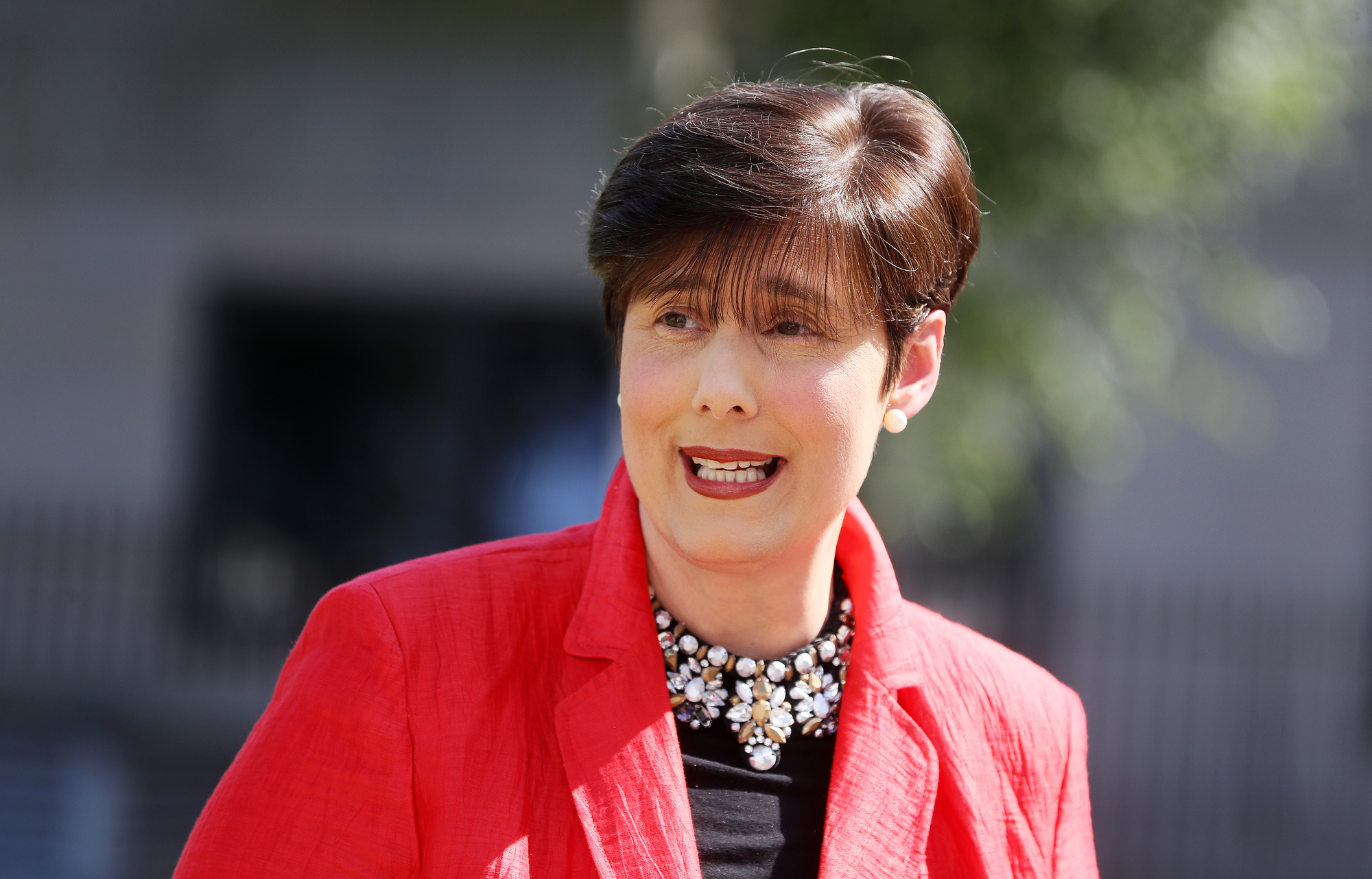
Education Minister Norma Foley. Picture: Brian Lawless
Education Minister Norma Foley has secured funding for 1,165 new special needs assistants and almost 1,000 special education teachers.
Ms Foley had held out for the additional funding in her negotiations with Public Expenditure Minister Michael McGrath and she has secured an additional €18 million to widen the scope of the disadvantaged school or DEIS scheme.
As for how the remainder of how the country's education spending will be allocated, today's speeches are likely to stick to broader statements and other headline figures: smaller class sizes, €270m to cover up to 20 higher education building projects. As with everything, the devil is always in the details, as the small print became clear in the days that followed.
Last year, questions at briefings with education minister Norma Foley and minister of state for special education Josepha Madigan focused on whether or not schools would close at the mid-term break, as they had just done in the North.
Today, although the pandemic is far from over, ‘normal’ services are slowly resuming after the bones of two awful years full of stops and starts.
The extra supports introduced last year are still needed, and schools and colleges still need Covid safety measures. At the same time, demographics are steadily increasing at both second and third level.
The country’s overall education budget topped €12.2bn last year. The Department of Education was allocated €8.9bn, with one-fifth of this ring-fenced specifically for special education.

The Department of Further and Higher Education, still in its infancy last October having been formally established during the summer of 2020, received a budget of €3.3bn.
It is not clear at this point how many of these new SNA posts are needed just to meet demographic needs, for new classes, or for developing schools.
As part of Budget 2021, some 990 extra SNAs were announced, and 1,000 in Budget 2020. Families and those working in schools would tell you that provision is still nowhere near adequate in terms of addressing students’ needs. The key here will be how many extra classes, and how much extra support, this allocation will account for in the long term.
We have also heard that the Susi college grant is likely to increase, and that its threshold is likely to be expanded. We do not yet know how much this increase will come in at. The scheme and its cut-off threshold have come under much criticism for being no longer fit for purpose, given the current cost of living and escalating rents.
A review of the Deis scheme for disadvantaged schools has been ongoing for years, overseen by three of Ms Foley’s predecessors, after being announced by Labour’s Jan O’Sullivan in 2015.
In 2019, Joe McHugh, the previous education minister, said the review was at an advanced stage. While nothing concrete has been confirmed yet, Ms Foley was said yesterday to be holding out hope for further Deis funding.
In 2017, it emerged that over 250 schools met the criteria for Deis designation, but were not added to the scheme when it was reviewed.
Key areas to keep an eye on include primary class size reductions.
A further reduction in the primary school pupil-teacher ratio is expected to be announced in today’s budget. This ratio is expected to decrease by a point on average, to 24 students to every teacher, from next September.
Housing is another major key area in education. Last week, we saw students turned away from a food bank at University College Cork due to exceptional demand. The university’s student union laid the blame squarely on the ongoing housing crisis, which is leading to many students commuting long hours to get to class, or feeling the pinch after paying astronomical rents.
The housing crisis is not only limiting students’ education, but also their prospects after they leave college.

CONNECT WITH US TODAY



Be the first to know the latest news and updates