Number of type 2 diabetes patients predicted to double to more than 410,000
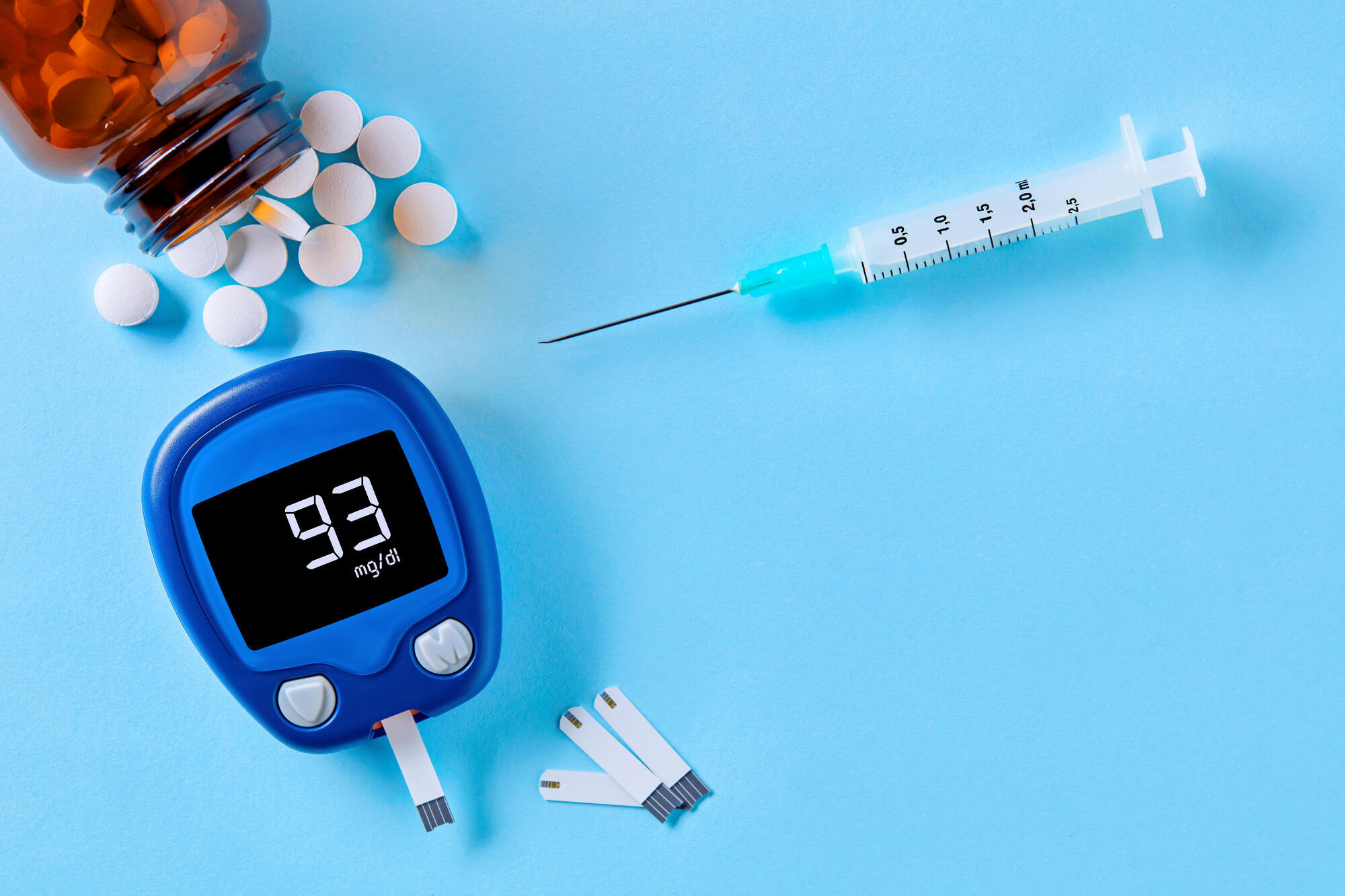
Number of type 2 diabetes patients predicted to double to more than 410,000

The research found the percentage of adults in Ireland who are obese increased from 10% in 1998 to 23% in 2018.

The number of people with type 2 diabetes in Ireland could double to more than 410,000 in the next 15 years unless a population-wide, comprehensive campaign is put in place, according to HSE research.

The study, which modelled the current growth in type 2 diabetes — often linked to being overweight, inactive — and the possible measures used to control it, found that a diabetes prevention programme — on its own and unsupported by other measures — will not be enough to keep down the number of people with the condition and the impact that will have on the health system, including absenteeism and premature death.

The research, A simulation study of the economic and health impact of a diabetes prevention programme in Ireland,  was written by a team including Tom Pierse, Medical Workforce Planning Research Officer with the HSE National Doctors Training and Planning, and three others.

“The estimated number of people over 40 years of age with type 2 diabetes in Ireland is projected to increase from 216,000 in 2020 to 414,000 in 2036,” it said.

“A prevention programme, based on the NHS Diabetes Prevention Programme, is estimated to result in a reduction of between 2,000 (0.5%) and 19,000 (4.6%) in the number of prevalent cases of diabetes in 2036 resulting in substantial health and quality of life benefits.

“A diabetes prevention programme (on its own) will not stop the rise in the number of cases of diabetes — a broad suite of population-wide policies aimed at reducing obesity is likely to be required in addition to a diabetes prevention programme.” 

Epidemic

It said no country to-date has reversed its obesity epidemic, and the percentage of adults in Ireland who are obese increased from 10% in 1998 to 23% in 2018.

The authors referred to the National Diabetic Retinal Screening programme and efforts to reduce the incidence of type 2 diabetes through targeted interventions aimed at people who have pre-diabetes.

“Ireland does not currently have a national diabetes prevention programme targeted at people with pre-diabetes,” it said. 

“Plans are in place to pilot a diabetes prevention programme; this will be linked to the new GP contract for chronic disease management that calls for screening for type 2 diabetes among individuals known to be at increased risk.” 

Plans are in place to pilot a diabetes prevention programme.

It said another method could be to reduce the incidence of type 2 diabetes through population-wide policies. “These include taxes, subsidies, regulations (eg, food marketing), changes to the physical environment and population-wide health promotion policies.” 

According to the projections, “the dramatic rise in the number of people with diabetes in Ireland is driven by a combination of a growing and ageing population and increases in the incidence of pre-diabetes.

Increase

“We estimate that the number of people with diabetes (pre-diabetes) will increase from 216,000 (192,000) in 2020 to 414,000 (303,000) in 2036 in the absence of a prevention programme.

“Only a small proportion of eligible cases of pre-diabetes typically attend diabetes prevention programmes,” it said, noting some barriers to attendance.

“As long as the stock of people in the pre-diabetes state continues to rise, due to population increases, population ageing or increases in age-adjusted prevalence of obesity, modest reductions in the overall transition rate from pre-diabetes to diabetes will not be sufficient to stop the growth in the number of people with diabetes.

“In addition to targeted programmes, there is a strong rationale for population-wide policies given that a large majority of people become overweight and obese; in Ireland, 83% of men and 68% of women in the 55- to 65-year-old age group are overweight or obese.33 There are a wide range of population-wide policies relating to diet and activity that can be employed.” * https://onlinelibrary.wiley.com/doi/full/10.1111/dme.14540

More in this section

Lunchtime News

Newsletter

Keep up with stories of the day with our lunchtime news wrap and important breaking news alerts.

Cookie Policy Privacy Policy Brand Safety FAQ Help Contact Us Terms and Conditions

© Examiner Echo Group Limited