60% of those sexually harassed experienced it in the workplace
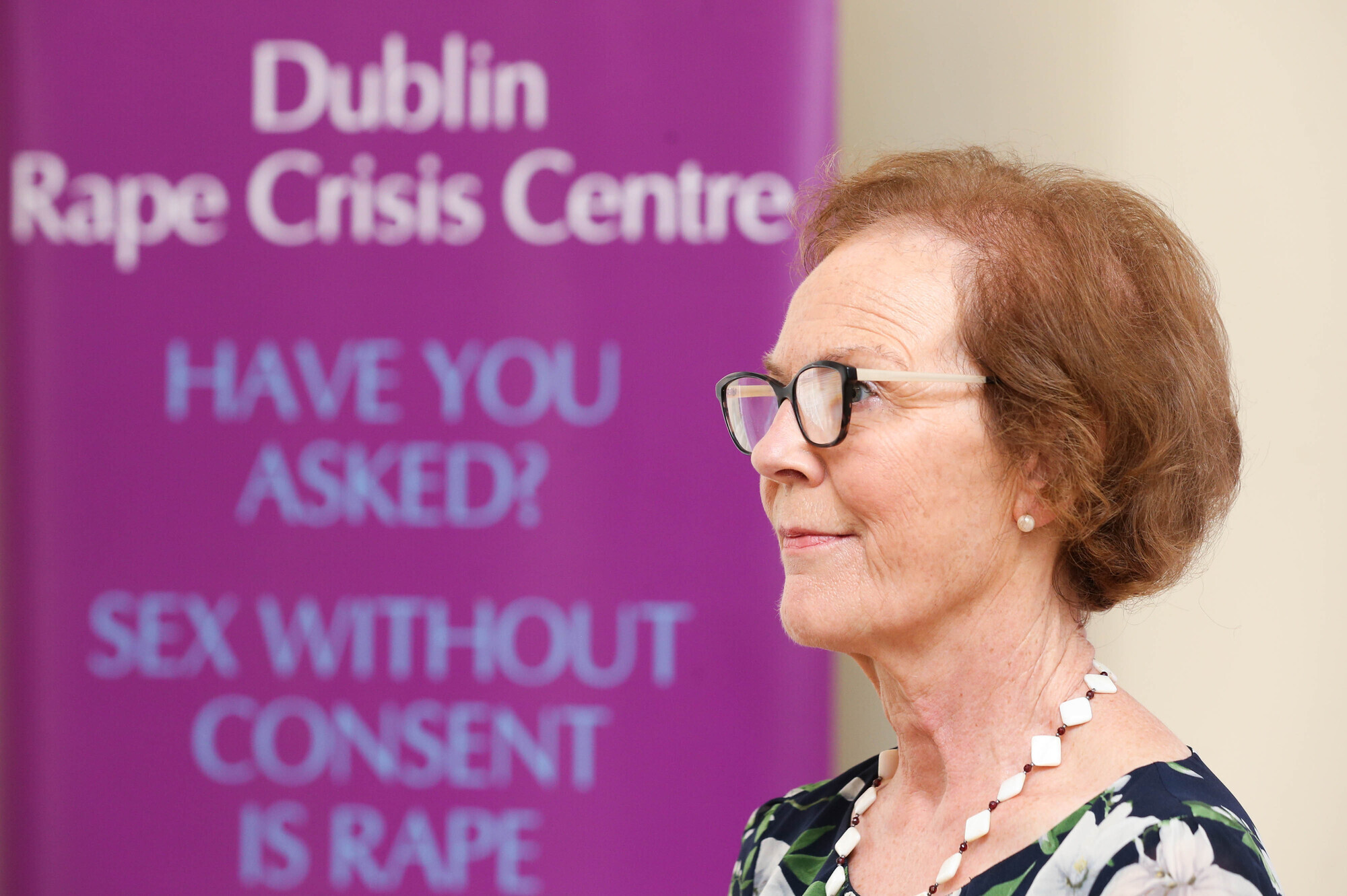
Dublin Rape Crisis Centre CEO Noeline Blackwell
More than half of the people who have been sexually harassed experienced it in the workplace, a new survey has found.
The research, conducted by the Dublin Rape Crisis Centre (DRCC), surveyed 940 people, most of whom were women. Of the respondents, 712 (75.7%) reported having experienced sexual harassment.
Of the 712 respondents who reported experiencing sexual harassment, 421 experienced the harassment in their place of employment (59%). This was 44.7% of the total surveyed.
Almost a quarter of those who had experienced workplace sexual harassment said the harassment happened at work-related events, meetings, or conferences.
Of the 712 that said they had experienced sexual harassment, only 118 reported it (16.5%).
Some 39% of these said they reported using formal procedures such as to an internal or external contact, including the Gardaí, legal professional, union, manager, HR department, or other.
Half of this group said they reported informally, while 11% said they were unsure.
The survey findings were included in a discussion paper on workplace harassment by DRCC, which included input from A&L Goodbody.
It identified that under the Employment Equality Acts, employers have a legal responsibility to prevent and address sexual harassment in the workplace.
However, the research found that “unfortunately, employees may be deterred from reporting because they are fearful of repercussions that may follow for making a sexual harassment allegation”.
The paper made a number of recommendations in light of this research, including the establishment of an anonymous helpline for employees and professionals to report sexual harassment or abuse, or an online app to report this behaviour in the workplace.
The paper also suggests "further reflection" should be given to the expansion of how these issues are viewed within the current employment legislation landscape.
Legal precedent exists for the monitoring, reporting, and enforcement of other workplace issues such as protected disclosures and could be extended to the issue of sexual harassment, the paper adds.
Noeline Blackwell, chief executive of the DRCC, said: “Given the tsunami of revelations across myriad sectors, it is past time to acknowledge the valid frustrations of victims/survivors of workplace sexual harassment."
“With employees across all sectors now returning to the workplace, we have an opportunity – indeed a duty – to critically examine and amend the mechanisms available to victims/survivors seeking to access justice," she added.
Solicitor Máille Brady Bates, a specialist in employment law with a focus on sexual harassment who contributed to the paper, described the research as “significant and timely”.
“It considers creative, effective and holistic means to address cultures of workplace sexual harassment and abuse; such as shifting the focus from viewing workplace sexual harassment solely as an equality issue to a health and safety matter – as has been considered in other common law jurisdictions – to allow for a more victim-centric approach to addressing this culture in the wake of the #MeToo movement.”


CONNECT WITH US TODAY



Be the first to know the latest news and updates