First cannabis-based product under MCAP to be available from next month
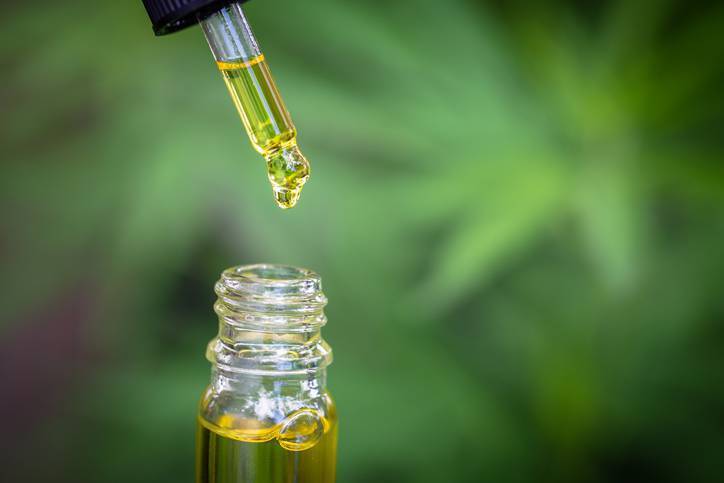
Epilepsy is one of the main conditions people are seeking cannabis treatment for in Ireland. File photo: iStock
The first cannabis-based product to be made available through the Medical Cannabis Access Programme will be accessible from mid-October.
The product is CannEpil oral solution which contains both tetrahydrocannabinol (THC) a psychoactive derivative of cannabis, and cannabidiol (CBD).
Professor Bryan Lynch, Consultant Paediatric Neurologist in Temple Street Children’s Hospital, told the Oireachtas Health Committee that the levels of THC in the product are too high to treat patients with severe epilepsy as THC is not clinically indicated for the condition.
Only products with pure CBD (which is not a controlled substance) or close to pure CBD content are used to treat refractory epilepsy, he said. Epilepsy is one of the main conditions people are seeking cannabis treatment for in Ireland.
But medications with even trace levels of THC cannot be prescribed here unless through the MCAP, via a Ministerial Licence or unless the products reach the rigorous testing levels achieved by other controlled substances to achieve marketing licences.
Lorraine Nolan, Chief Executive of the Health Products Regulatory Authority (HPRA) said that because THC is listed as a controlled substance in the Misuse of Drugs Act, it would take a legislative change to make products with only trace levels of the substance here legal.
The Health Committee heard that some 300 - 600 patients with epilepsy might be prescribed CBD-based products if they were available.
Currently 192 Ministerial Licences have been issued for 67 patients to source medical cannabis from a pharmacy in the Hague, called Transvaal Apotheek.
But Holland does not allow the export of cannabis (it will only fill individual prescriptions) so this product will not be available through the MCAP, the committee heard.
It was suggested that if another medication called Epidiolex, which is currently under review, is granted a licence, it could replace Bedrocan, the medication patients with epilepsy have been accessing through Holland. A decision on whether Epidiolex is granted a licence is expected in the coming months.
While Cannepil is expected to be available from next month, the suppliers of a second product, Tilray Oral Solution, have also indicated their intention to supply the Irish market but have not confirmed when the product will be available.
Although another two products - Aurora CBD oil drops, and Aurora Sedamen Softgels capsules - have also been accepted under MCAP, this company does not currently have plans to supply the Irish market, the HSE understands.
Cannabis products can only be prescribed under the MCAP for three conditions - spasticity associated with MS, intractable nausea and vomiting associated with chemotherapy and severe, refractory epilepsy (treatment-resistant epilepsy that has failed to respond to standard anticonvulsant medications).
It was suggested that this should be broadened to include conditions such as chronic pain which is treated with cannabis in other EU jurisdictions. Ms Nolan said that one of the major problems with granting access to medical cannabis in Ireland is the lack of reliable data associated with the products.
Only two cannabis-based medications, Sativex Oromucosal Spray for the treatment of spasticity in MS and Epidyolex Oral Solution for the treatment of seizures, have been authorised as medicines outside of the MCAP or Ministerial Licence systems.
“Both products have met the standards and level of data required to receive a marketing authorisation. As such, these are quite distinct and do not fall under the scope of the MCAP,” she said.