'Skin pallor was less obvious due to ethnicity': HSE review into woman's death after childbirth
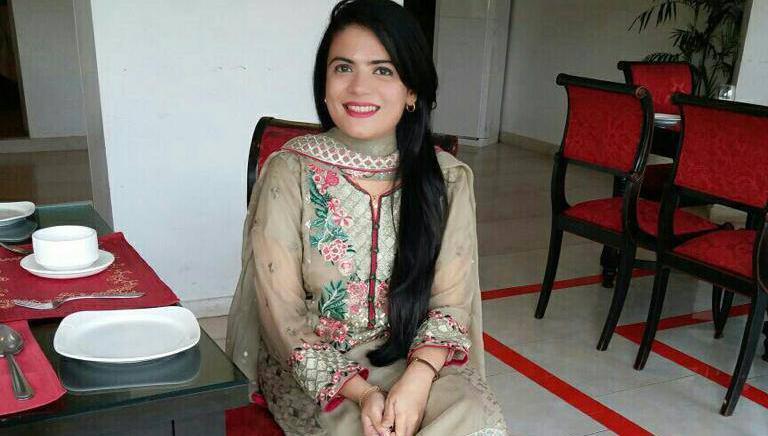
Nayyab Tariq died on March 22 last year after giving birth to a healthy baby girl, also called Nayyab, at Mayo University Hospital.
Delays in recognising that a young woman was in shock after giving birth "may have contributed" to her death, an internal HSE review has found.
One of the indications of a patient being in shock is when they appear pale, an inquest into the death of Nayyab Tariq has been told in Mayo.
A HSE review of the tragedy found: “Skin pallor was initially less obvious due to ethnicity.”
Ms Tariq (28) died on March 22 last year after giving birth to a healthy baby girl, also called Nayyab, at Mayo University Hospital. A three-day inquest concludes today in Swinford although the HSE internal review was not included as part of the hearing.
The internal review by the SAOLTA hospital group, seen by the , made eight recommendations for hospital management and staff.
“The review panel found that there were systems of care/service issues which may have contributed to Mrs A’s death. Earlier recognition and intervention may have altered the outcome in this case," it states.
It concludes: “However the decisions made and actions taken should be considered in the context of the significant patient complexity and distractors which evolved that evening.”
The midwifery and obstetric team looked for a “causal factor” as defined in the 2018 serious incident guidance document, meaning an issue or issues which impacted the “eventual harm”. They found a “key causal factor” was the “delay in recognition and treatment of shock due to haemorrhage”.
They found Ms Tariq had tachycardia, meaning she had a heartrate above 100, that her blood pressure and circulation were “unstable”. “The significance of tachycardia was overlooked in the urgency to get to theatre when retained placenta was diagnosed,” it states.
The review notes that “this case revolves around the management of shock”.
The review was chaired by Dr Carmen Regan, obstetrician at the Coombe hospital in Dublin, commissioned by Professor John Morrison Director of Women’s & Children’s Managed Clinical and Academic Networks at SAOLTA and completed in February this year.
The recommendations include that “all staff follow the local and national Procedures Protocols and Guidelines (PPGs) in regard to post-partum haemorrhage and retained placenta.”
Management at the hospital “must ensure that vital signs are tracked and recorded appropriately” and that “clear escalation processes are in place”. The review also recommends the hospital should install “a blood gas (BG) analyser with Haemoglobin measurement function” in the delivery suite.
The inquest heard that the family felt communication during the crucial hours Ms Tariq was in surgery was “limited”. The review recommends the latest HSE bereavements standards be applied in the hospital, and that “a senior midwife/nurse on duty” act as liaison for families.
They recommend the hospital laboratory have “oversight of hospital point-of-care devices”. An “electronic anaesthesia record” should be maintained, they said.
The hospital managers were advised to “review the communications processes between labour ward and theatre”.

Under recommendations around the “human factor”, the review states: “When there is significant blood loss following delivery, the clinical context should be considered.”
A statement issued by solicitor Johan Verbruggen of Callan Tansey solicitors on behalf of the Tariq family said: "From the evidence that we’ve heard over the last three days, it is clear that the protocols for managing postpartum haemorrhage, that have been in place since 2012, were not properly followed.
"Basic measures prescribed by those protocols were not taken soon enough, or at all, and as a result, there was a delay in recognising Nayyab's deterioration from massive blood loss."
The family said: "What should have been the happiest day of their lives became the ultimate tragedy for Ayaz (her husband). He lost his wife, his soulmate. Their daughter will never get to meet her mother."
CONNECT WITH US TODAY



Be the first to know the latest news and updates