Government scraps hotel quarantine system for international arrivals
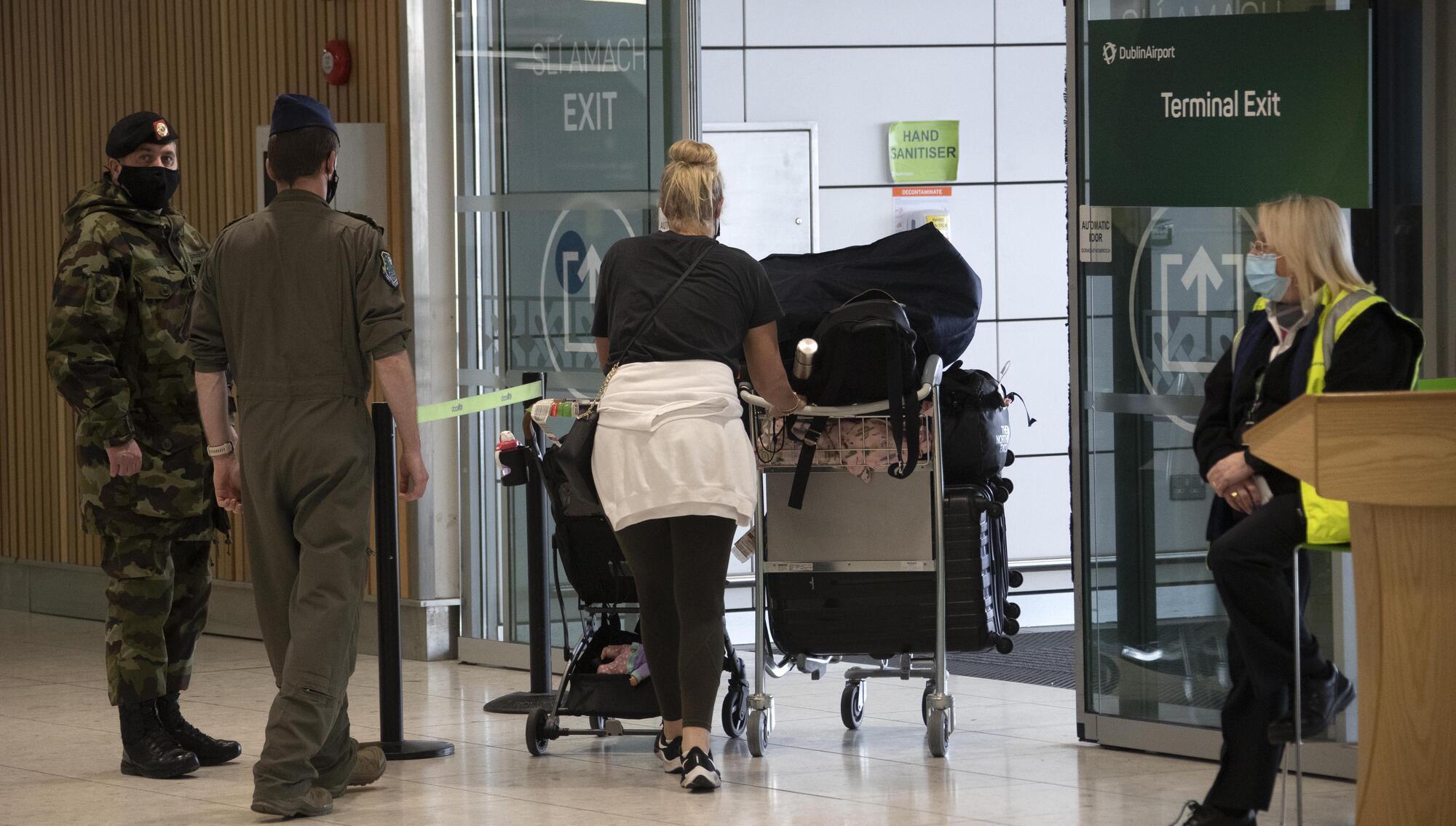
Members of the Defence Forces at Dublin airport meet passengers arriving from countries designated for mandatory hotel quarantine. Picture: Colin Keegan, Collins Dublin
The Department of Health has announced the removal of all remaining countries from the Mandatory Hotel Quarantine register effective from today.
The decision comes after the advice of the Chief Medical Officer (CMO) Dr Tony Holohan and marks the end of the hotel quarantine system.
Around 50 people are currently in Mandatory Hotel Quarantine and they will be released immediately.
Six South American countries were the last nations left on the list.
Arrivals into Ireland must still abide by the relevant travel regulations including the need for a PCR test if they are not vaccinated and the submission of a passenger location form.
A statement from the department said the decision is based on the success of Ireland’s vaccine roll-out, the evolution of the Covid-19 pandemic internationally, and is in line with the government's revised approach to international travel.
Minister for Health Stephen Donnelly thanked all those involved in introducing the system as well as those who completed their quarantine period in the designated facilities.
Mr Donnelly said the system was introduced as Covid-19 variants of concern identified abroad threatened to undermine Ireland's vaccination programme and overwhelm the health system.
Over 10,000 people were quarantined in the system since its inception according to figures provided by the department including:
- 10,294 people entered Mandatory Hotel Quarantine
- Eight Hotels were used at the peak of the system
- 593 residents tested positive for Covid-19
- 664 tests were carried out on residents were positive. (Due to the duration of stay, a person may test positive more than once.)
- Of the 664 positive tests, 42 were on persons from a non-designated State, and 622 were on persons from a designated State.
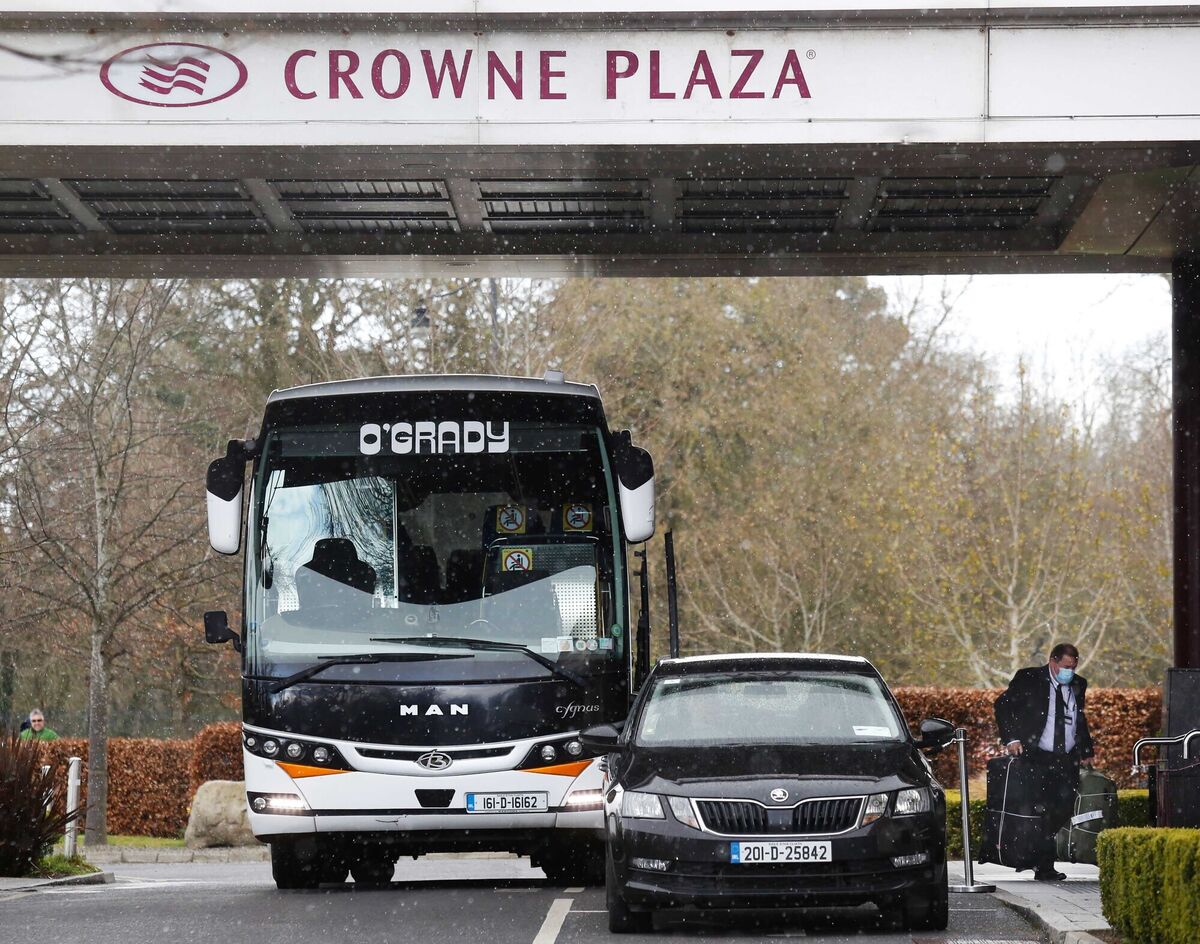
In addition, 3,426 appeals to exit the system early before the quarantine period were submitted with 15.35% or 526 of these appeals granted.
Emphasising the importance of the system in Ireland's efforts to contain the spread of Covid-19, Mr Donnelly said: “At the peak of the system’s operation some 60 states were designated and the greatest number of persons in MHQ at one time reached 1,008 on May 9, 2021.
"The successful operation of MHQ has played a central role in protecting the population, maintaining control of the disease, and enabling the safe relaxation of restrictions on our economy and society."
The mandatory hotel quarantine (MHQ) system was subject to criticism throughout its operation from opposition and government TDs.
In April, the European Commission wrote to the government to express concerns about the system's impact on EU law as European citizens with freedom of movement throughout member states were subject to the quarantine provision.
There were also a number of incidents of people fleeing the system with more than 70 people reported to have absconded.
Meanwhile, public health officials at the Department of Health have confirmed 1,335 new cases of coronavirus this afternoon.
Hospitalised Covid-19 patients now number 282 with 65 people receiving treatment in intensive care.
381,883 cases have been identified since the pandemic began with 5,209 total Covid-related fatalities.
No details of Covid-related deaths were published today as these are now published on a weekly basis.
The Department of Health said all case data is subject to future validation.
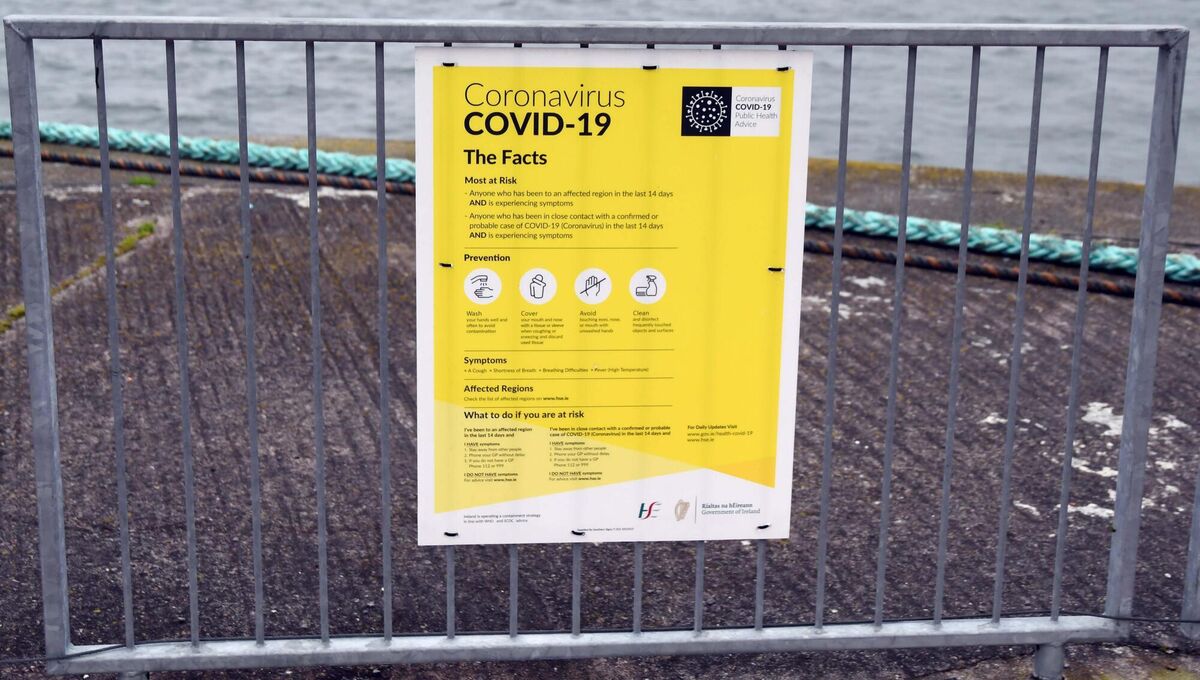
The latest case data comes as a professor of health systems at Dublin City University has warned against a plan to end routine contact tracing for Covid-19 cases in Ireland.
The tracing is set to end next month under plans being drawn up by the National Public Health Emergency Team (Nphet), according to .
Tracing of the contacts of adult Covid cases would end on October 22 under the proposals being considered, coinciding with the lifting of the majority of remaining Covid-19 restrictions.
With more than 1,000 staff currently involving in contacting thousands of close contacts every week, Prof Anthony Staines, who is also a member of the Independent Scientific Advocacy Group (ISAG), said there are risks in closing these call centres.
“My understanding is that the plan is to effectively close the major call centres,” he told Newstalk radio.
“That will throw contact tracing back on my public health colleagues, who will keep doing what they’ve been doing. The risk is there will just be too many outbreaks for them to investigate.”
Proposed change Under the proposed change, public health specialists could still trigger contact tracing following a risk assessment of a particular case or cluster of cases. However, routine use of contact tracing would end.
Nphet members intend to monitor the results of this week’s decision to end contact tracing of asymptomatic cases in the classroom, before making a final decision to end adult contact tracing.
Travel-related cases are also being monitored following the decision earlier this month to end contact tracing on flights.
There is confidence that the infection rate among primary schoolchildren will not rise over the coming weeks based on current incidence rates, despite the decision to allow close contacts not showing symptoms to attend school.
The plan to end most contact tracing is part of wider move towards normality in this phase of the pandemic, when more than 90% of the population is largely protected against Covid-19 through vaccination or previous infection.
Separately, the HSE has confirmed that more than 70% of residential care facilities have ceased serial testing of staff and residents, with 435 out of 616 nursing homes and other residential care facilities removed from the serial testing programme.
The facilities have confirmed that they are free of Covid-19 outbreaks and that at least 80% of staff and residents are vaccinated, in line with Nphet criteria for exiting the programme.
CONNECT WITH US TODAY



Be the first to know the latest news and updates