Q&A: What are the restrictions on gun ownership in Ireland?
Q&A: What are the restrictions on gun ownership in Ireland?

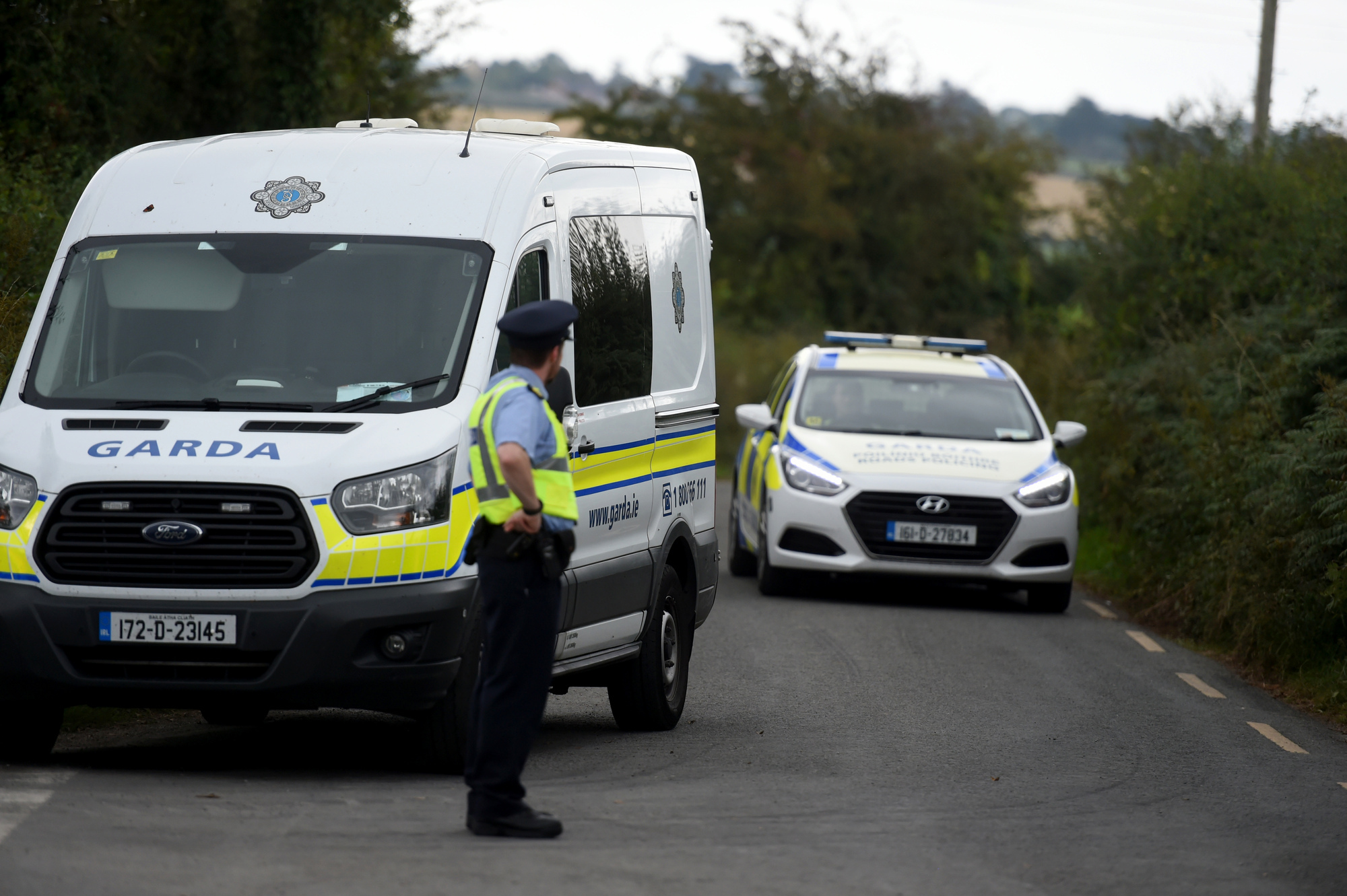
Gun ownership in Ireland has been called into question in light of the latest familial tragedy in Lixnaw, Co Kerry, where Eileen O’Sullivan and son Jamie were apparently shot dead by partner and father Mossie O’Sullivan, who then took his own life. Picture: Larry Cummins

In comparison to other jurisdictions, such as the United States of America, the Irish legal position in respect of gun ownership is fairly restrictive.

Essentially, firearms in Ireland can only be used for certain purposes such as hunting and target shooting.

Strict requirements, including the provision of medical histories and references, must be met before granting a licence.

Ireland has approximately seven firearms per 100 people, making it the 107th most armed country in the world.

For comparison, the United States has 120.5 firearms per 100 people and is the most armed country in the world, while the United Kingdom has 5.03 guns per 100 people.

What is the law on gun ownership in Ireland?

There is extensive legislation in Ireland covering firearms ownership, some of which date back to 1925.

The law in Ireland states that one must have a valid license to hold or possess any firearm.

You will only be able to obtain a firearm license for certain purposes and you cannot obtain a firearm in Ireland for personal protection.

As well referring to guns, the legislation also covers the likes of an air gun, a crossbow, or any type of stun gun or prohibited weapon.

Who can get a licence for a gun - and why?

There are different types of firearms certifications.

- A firearms training certificate can be granted to anyone over the age of 14 for the purposes of hunting and target shooting, as long as that person is supervised by a specified person over 18 and also holds a firearms licence, or where the firearm is used at an authorised gun club or authorised shooting range.

Tadg, Mark, and Diarmuid O’Sullivan who died in a shooting in a remote part of Kanturk in North Cork.

What is the process for getting a gun?

The application is made to the Garda superintendent of the district in which the applicant lives.

Restricted firearms applications are made directly to the Garda Commissioner.

To approve the application, Gardaí would have to be satisfied that the applicant complies with a number of conditions which are set out in the legislation, including the following:

  • They have a good reason for requiring the firearm;
  • They are permitted to possess and use this firearm and ammunition without danger to public safety or security of the peace;
  • They are not a person under the legislation not entitled to hold a firearm certificate;
  • They have provided secure accommodation for the firearm and ammunition at the place where it is being kept;
  • Where the firearm is a rifle or pistol to be used for target shooting, that they are a member of an authorized rifle or pistol club;
  • That they comply with any other conditions specified in the firearms certificate.

In the event that they are making an application for a restricted firearms certificate, they need to have good and sufficient reason for requiring such a firearm and demonstrate that a firearm is the only type of weapon that is appropriate for the purpose which it is required.

When applying, the applicant is required to submit their medical history, as well as the names of referees to be contacted for character references.

Are there any other restrictions?

The Minister or Government, in the interest of public safety, can extend the legislation to declare certain specified firearms to be restricted.

This can also be done for ammunition.

They also have powers to prohibit firearms and ammunition under the Acts.

What are the penalties for breaching this law?

Any person who carries a firearm without holding the appropriate firearm certificate shall be guilty of an offence under the legislation and can receive a fine of up to €20,000.00 and imprisonment of up to seven years, depending on the nature of the offence.

Stephen Coppinger is a partner at Walsh & Partners solicitors.

x

More in this section

Lunchtime News

Newsletter

Keep up with stories of the day with our lunchtime news wrap and important breaking news alerts.

Cookie Policy Privacy Policy Brand Safety FAQ Help Contact Us Terms and Conditions

© Examiner Echo Group Limited