Call for female-only 'one-stop shop' for women experiencing addiction and homelessness
Call for female-only 'one-stop shop' for women experiencing addiction and homelessness

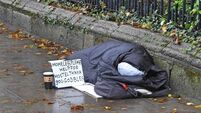
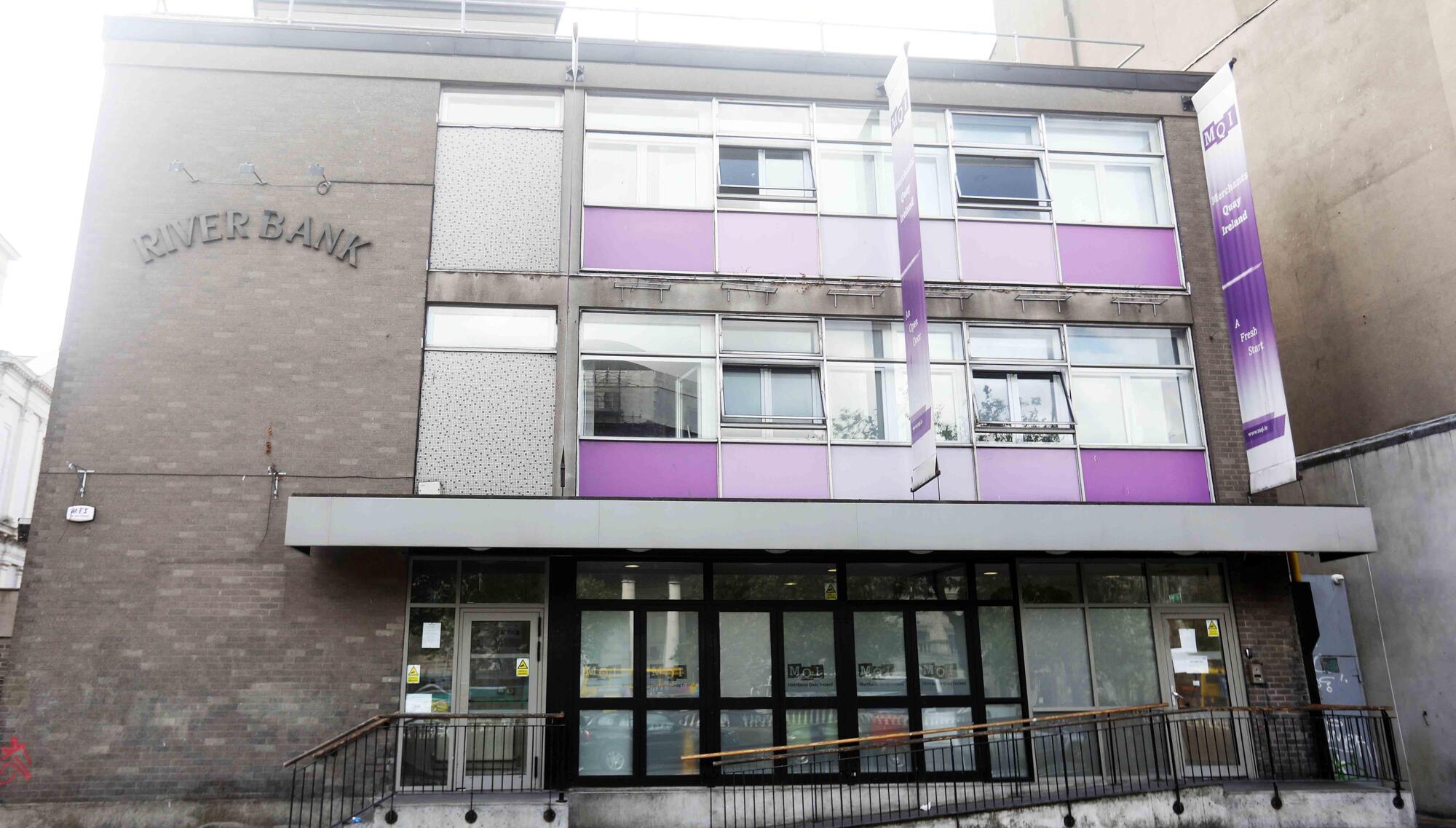
Merchants Quay Ireland is launching a campaign for gender-specific services, while a new report outlines the extent of the issues facing vulnerable women in trying to access addiction and homeless services. File picture: Leah Farrell/RollingNews.ie

Women experiencing drug addiction and homelessness need a special "one-stop shop" centre to help them get quicker access to the services they need, according to Merchants Quay Ireland (MQI).

The charity is launching a campaign for gender-specific services, while a new report outlines the extent of the issues facing vulnerable women in trying to access addiction and homeless services.


The report, A Space of Her Own, highlights women as among those hardest hit by the pandemic, with the lack of services a further obstacle.

"This country has a lack of specific services for women experiencing addiction and homelessness," it said. 

"As well as this, there is a lack of gender sensitivity in the services that are available, as these services are largely accessed by men, which can create an intimidating atmosphere for women who have experienced trauma.

'Fear of stigma and judgement'

"Often, women are reluctant to engage with services as a result, for fear of stigma and judgement. Further unique barriers for accessing services include the fear of children being removed from their care, lack of access to childcare and other familial responsibilities.

Women in addiction already face high rates of sexual violence, coercive control, and abuse. Covid-19 exacerbated the issues facing women, often leaving women isolated in abusive situations, or with deteriorating mental health as a result of the anxiety, loneliness and stress caused by the pandemic."

MQI said 42% of people in homelessness are female and the average age at death of women who are homeless in Ireland is 38 years, compared to 44 for men.

MQI said 42% of people in homelessness are female and the average age at death of women who are homeless in Ireland is 38 years, compared to 44 for men. File picture: Sasko Lazarov / RollingNews.ie

In 2017, there were 211 female drug-related deaths – a 7% increase on 2016, while women who experience extensive violence and abuse are eight times more likely to be drug dependent.

A 2019 study in which MQI was involved found "the pathway through services needs to be flexible, with speedy access, integration of services and above all else, inclusivity".

The latest MQI report said: "To that end, we need to secure long-term funding for a Women’s Centre which would provide a ‘one-stop-shop’ for access to information and support across health, addiction, gender-based violence, coercive control, legal issues, education, and employment support, counselling and mental health services."

'Female-only wellbeing centre'

It recommends training for staff and trauma-informed services, anchored around a “'low threshold'” female-only wellbeing centre in Dublin".

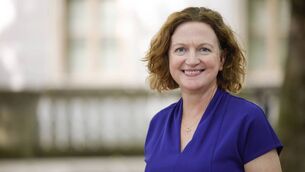
Fianna Fáil senator and chair of the Women's Parliamentary Caucus Fiona O’Loughlin has already signalled cross-party support for such a centre.  Merchant’s Quay Ireland chief executive Paula Byrne said MQI would engage with Government to provide a funding stream – both capital and current – to deliver gender-specific services as soon as possible.

“Silenced by shame, guilt and fear, women experiencing homelessness and addiction could not be more vulnerable," Ms Byrne said.

Despite the hardship of their daily lives, they are often too ashamed or afraid to ask for help. MQI are calling on the Government to support the delivery of gender-specific homeless and addiction services.

"There is an urgent need to establish a female-only wellness centre – a safe haven where women can feel welcomed, understood, and supported in rebuilding their lives.”

*Ciara's story

I had a lot of trauma as a young teenager. I came from a chaotic home and my mother suffered an accident when I was 13 which really affected me. Then, when I was still a teenager, I was sexually assaulted, but didn’t feel able to press charges. 

I was intimidated and scared of what might happen to me if I tried to bring my attacker to justice. Even if I went through the trauma of reporting it and trying to bring it to trial, I was afraid of what would be done to me or my family, and of being branded a rat.

I had a lot of mental health problems, as a result of all this. But when I actually went for help, I felt like the doors were shut. I was prescribed anti-anxiety medication, which I became addicted to. I ended up on every tablet going. I used to self-harm because of my anxiety.

When I was 15, I OD’d on pills because I just couldn’t take it anymore. I was rushed to the hospital, but as soon as I was stable, I was just signed out and then my ma was having to watch me 24/7, thinking 'Is she going to do something to herself?'.

I couldn’t get out of bed and have a shower and get dressed without swallowing about three tablets. That’s how I ended up homeless and linking in with Merchants Quay. The key workers in there are great. Mine is one in a million.

I did a detox while I was homeless. At that time, I was living in a hostel where I had to leave early in the morning and couldn’t come back till late at night. It could be lashing rain, freezing cold, it didn’t matter. The detox was really difficult but I managed to do it.

It’s even worse for women. I feel like, as a woman, if you put your hand up and say I need help, you’re sort of brushed off or not taken seriously, whereas when a man does it, it’s seen as more serious.

I think an all-female service centre would be a really good idea, because there’s a lot of intimidation around the current drop-in centres. It would be brilliant for women to be able to go in and talk about it if they’re going through a hard time, and to get one-to-one support, and to feel that they can actually get stuff off their minds in a safe environment because most women in services carry a lot of trauma.

More in this section

Lunchtime News

Newsletter

Keep up with stories of the day with our lunchtime news wrap and important breaking news alerts.

Cookie Policy Privacy Policy Brand Safety FAQ Help Contact Us Terms and Conditions

© Examiner Echo Group Limited