Defence Forces lose 338 personnel in just seven months
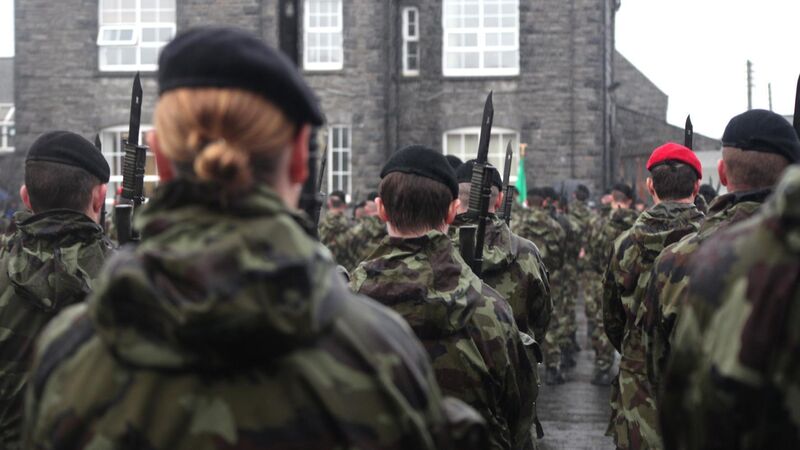
The minimum strength for the army is 7,520, but it had fallen to 6,912. File picture.
The exodus of personnel from the Defence Forces is continuing, with latest figures showing 338 have gone in the first seven months of this year and 86 recruits who quit during training.
On average, 700 personnel have been discharged every year for the past five years and it appears that 2021 will be no different as traditionally more personnel seek a discharge in the latter months of the year.

The latest figures for June and July, supplied to the by the Defence Forces, show a further 102 trained personnel left the country's military, with the army again suffering the most.
Of the 58 who left in June, 49 were in the army, three in the Air Corps, and six in the Naval Service.
In July, a further 44 left. Of those, 31 were in the army, five in the Air Corps, and eight in the Naval Service.
During June, 16 recruits quit the Defence Forces during training and a further seven bailed out in July.
The minimum strength for the army is 7,520, whereas it had fallen to 6,912.
The Air Corps numbers stood at 729, but is supposed to be 886. It is suffering from a shortage of skilled technicians.
The Naval Service had 878 at that stage, when it should have 1,094. Ships have been tied up as a result of crew shortages and there's a critical shortage in particular of specialists, such as marine engineers, engine room fitters, medics and communication personnel.
Minister for Defence Simon Coveney says the Government remains committed to returning to, and maintaining the agreed strength of the Permanent Defence Force at 9,500 personnel.
But recruitment still isn't keeping pace with the numbers leaving.
This is having a major knock-on effect. RACO, which represents Defence Forces officers, said several of its members are double and treble-jobbing to fill gaps.
Some are working up to 70 hours a week and it's taking a test case on behalf of 11 of them to the High Court for breaches of the Working Time Directive.
Meanwhile, PDForra, which represents enlisted personnel, has already taken a number of successful cases against the Department of Defence under the Working Time Directive for its members.
“The exodus of people from the Defence Forces is causing severe shortages, especially across the junior ranks who by virtue of their rank undertake a greater frequency of regimental duties.
"This is placing a greater strain on their work/life balance,” PDForra president Mark Keane said.
“There are soldiers from Finner Camp in Donegal who are currently conducting regimental duties in Dublin, which naturally places a greater strain on our members and their families."