Number of people experiencing mental health difficulties quadrupled during pandemic, new research suggests
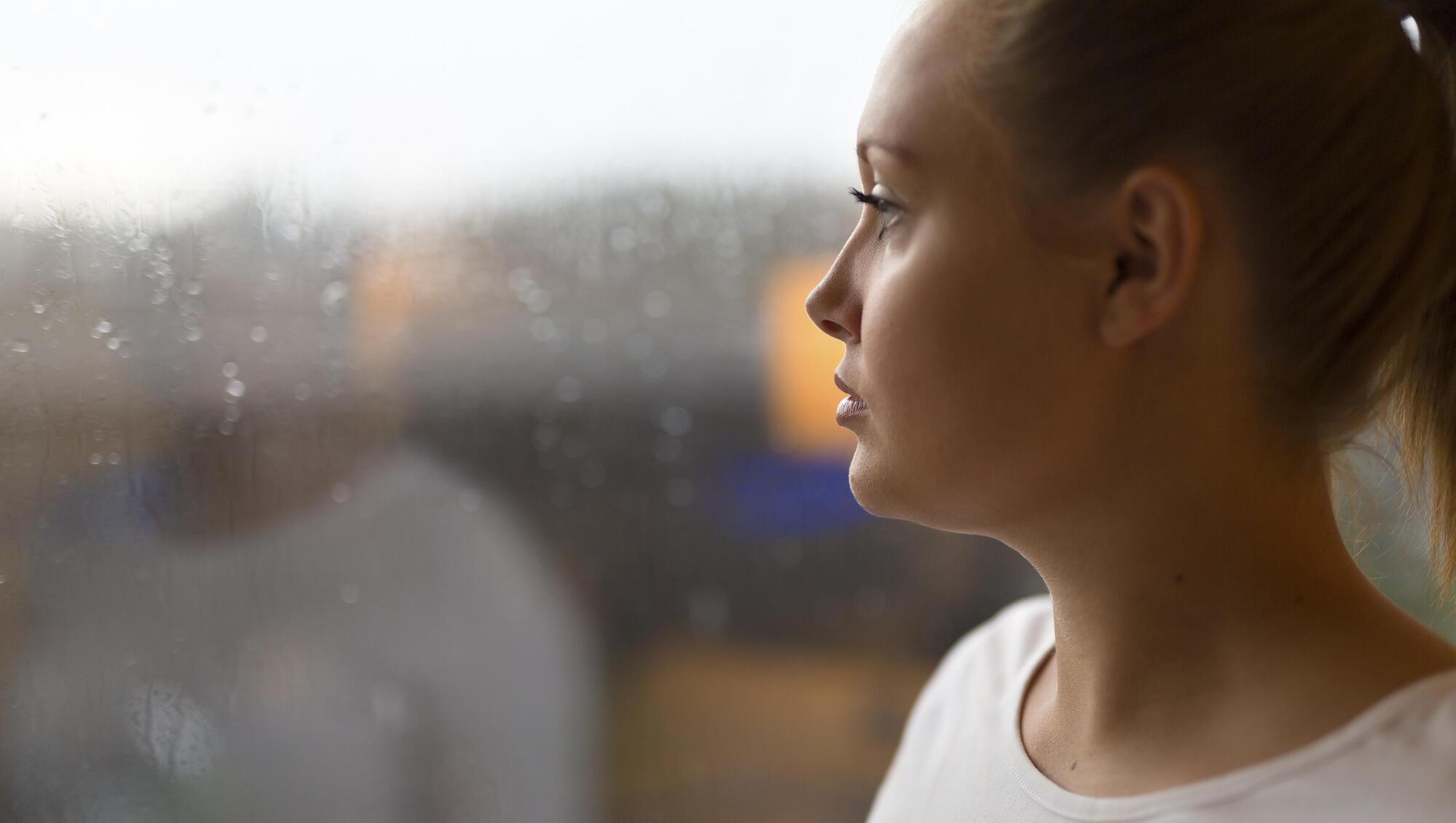
The survey found the number of female respondents who reported experiencing a mental health issue jumped from just 9% in 2017 to 43% during the pandemic. File picture
The number of people who reported experiencing a personal mental health issue has quadrupled during the Covid-19 pandemic, new research suggests.
The research, commissioned by See Change, an Irish organisation dedicated to ending mental health stigma, found 35% of respondents reported experiencing a mental health issue in the last 18 months – four times the total reported during a similar survey in 2017.
The number of female respondents who reported experiencing a mental health issue jumped from just 9% in 2017 to 43% during the pandemic.
Almost half of those surveyed (46%) said they would contemplate hiding mental health issues from their family and friends. See Change said this inclination was even higher in younger age groups.
The research was conducted by Kantar Research in November 2020 on behalf of See Change. In total, 1,000 responded to the online omnibus survey.
The findings of the research were released on Thursday afternoon to coincide with the organisation’s launch of its ‘Green Ribbon’ campaign for 2021 – an initiative aimed at further promoting a national dialogue around mental health awareness in Ireland.
See Change said people with mental health difficulties often struggle with the stigma of being labelled as someone with an issue.

Speaking on Thursday afternoon, Sea Change’s programme leader Barbara Brennan said she was concerned that many people, particularly those in younger age groups, believe mental health issues should be hidden.
"We want to encourage people to talk about their problems,” she said.
Minister of State Joe O’Brien said the pandemic had seen many people freely admit to struggling with their mental health, but these expressions should be normalised further.
“The past 18 months have given us all an experience of what it is to be restricted, to be isolated, to be lonely, to feel fearful, panicked, and maybe overwhelmed at times,” he said.
"It is vital that the necessary supports are provided in order to foster a culture of social inclusion wherein everyone, no matter their background, feels no shame in asking for help for a mental illness in the same way they wouldn’t feel shame seeking help for a physical illness."
For this year’s Green Ribbon event, See Change is focusing on the theme of ‘exclusion’ and how it impacts a person’s mental health – namely, how mental health difficulties can be compound by the supposed stigma associated with them.
This year's @SeeChangeIRL #GreenRibbonIRL campaign will highlight how while our intentions may be good, we can sometimes form biases and prejudices about mental illnesses and marginalised groups causing them to feel shame and exclusion.#EndTheStigma pic.twitter.com/XUBSj3M2dg
— HSE National Office for Suicide Prevention (NOSP) (@NOSPIreland) September 2, 2021
“The Covid-19 pandemic has given people an idea of the loneliness that exclusion brings,” said Sea Change ambassador Linda Garvin.
“Social isolation adversely impacts people’s mental health. For those living with mental health difficulties, stigma and exclusion go hand in hand and make life so much more difficult than it needs to be.
- Anyone who wishes to join in on the mental health conversation can pick up a free Green Ribbon in participating Boots stores, Iarnród Éireann stations, AIB branches or Eir stores.
- If you have been affected by the issues raised in this article please see mentalhealthireland.ie for a list of support services or phone the Samaritans free helpline on 116 123