Hormone profiling could help improve survival rates for breast cancer
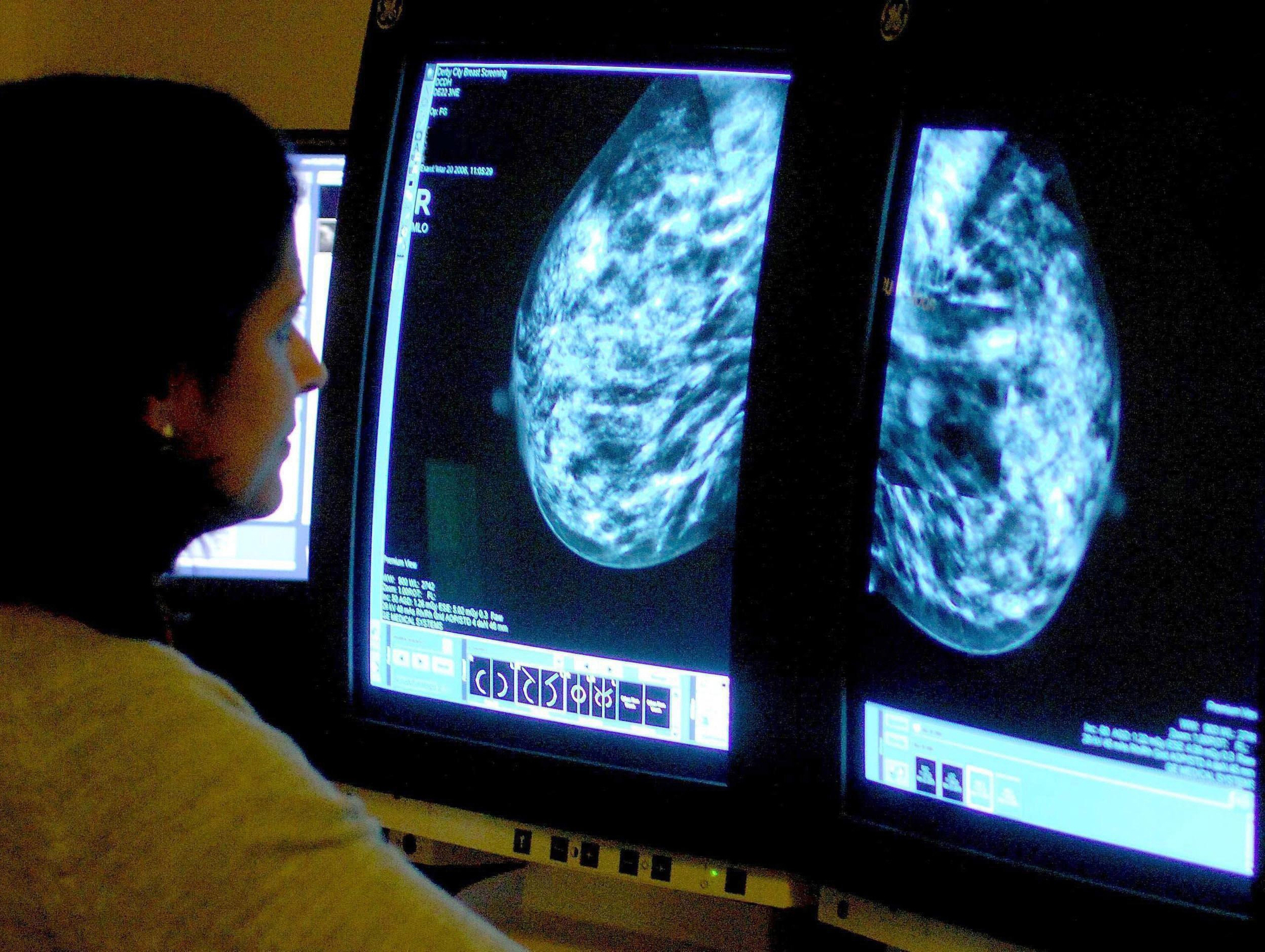
According to the World Health Organisation, 2.3 million women worldwide were diagnosed with breast cancer last year.
Profiling patients' hormones before and after treatment could play a significant role in improving success rates associated with breast cancer treatment, a new study has found.
Researchers at RCSI University of Medicine and Health Sciences analysed patients’ hormone profiles to provide researchers with a deeper understanding as to how breast cancer cells are affected by different hormones and why patients respond differently to hormone therapy.

“Hormones are powerful signalling molecules that play important roles in helping our bodies function normally and respond to the world around us,” Dr Marie McIlroy, the study’s senior author and Lecturer, Endocrine Oncology Research, Department of Surgery, RCSI explained.
“For over 100 years we have known that oestrogens play a role in making breast cancers grow and many of the common drugs prescribed to treat it are to reduce the amount of these hormones or to block their action.

“Unfortunately, not all patients will respond to these drugs,” she said, “and we need a better way to determine response to this type of therapy.”
Dr McIlroy explained that by looking at each individual person’s tumour hormone levels, clinicians can get a better idea of the differences between people who respond well to hormone treatment and those who do not.
This could potentially enable them to enhance treatments for breast cancer by assisting clinicians in optimising individual patient care and improving overall survival rates for patients.
According to the World Health Organisation, 2.3m women worldwide were diagnosed with breast cancer last year.
Excluding skin cancer, breast cancer is the most common cancer in women in Ireland with 3,600 women every year diagnosed with the disease in Ireland - the majority of whom receive hormone therapy as part of their treatment.
The study was funded by the Beaumont Cancer Research and Development Trust.