Scientists identify markers associated with blood clots linked to AstraZeneca vaccine
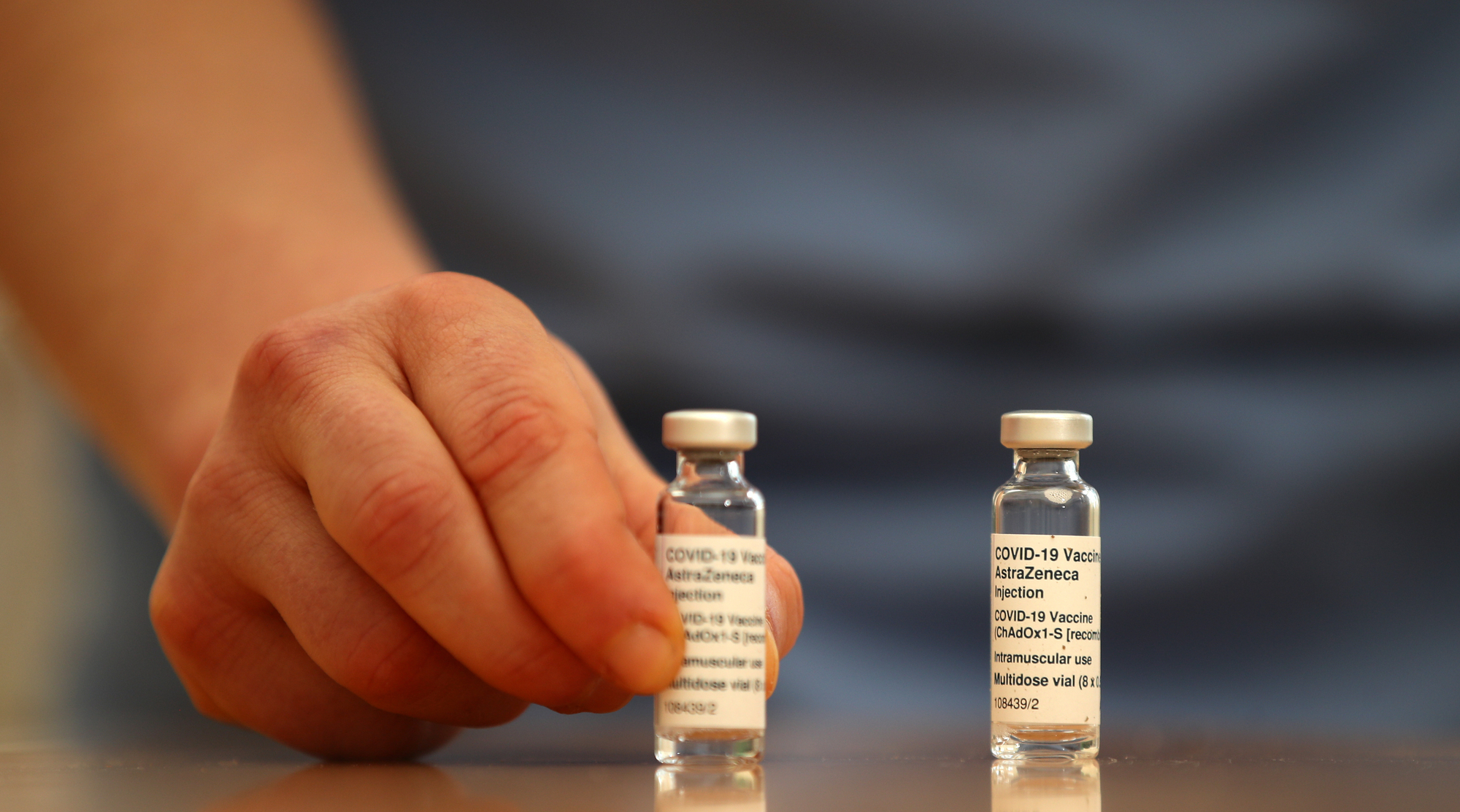
Clinicians will get help to diagnose what is called vaccine-induced immune thrombocytopenia and thrombosis (Vitt). File photo

Clinicians will get help to diagnose what is called vaccine-induced immune thrombocytopenia and thrombosis (Vitt). File photo

Scientists have identified the markers associated with rare blood clots linked to the AstraZeneca Covid-19 vaccine, which could help treat the condition more effectively and increase survival chances.

A team of experts, led by Dr Sue Pavord of Oxford University Hospitals NHS Foundation Trust, have set out a guidance for clinicians that can help diagnose what they call vaccine-induced immune thrombocytopenia and thrombosis (Vitt).

Thrombocytopenia is a condition where the patient has a low count of cells that help the blood clot, known as platelets. Thrombosis occurs when blood clots block veins or arteries and can lead to life-threatening conditions such as a stroke or heart attack.

In their findings, published in the New England Journal of Medicine, the scientists said overall mortality rate of those presenting to hospitals with definite or probable Vitt was 23%.

They said the odds of death increased where patients had a very low platelet count - which was 73% among those with platelet counts below 30,000 per cubic millimetre and bleeding in the brain following blood clots, known as cerebral venous sinus thrombosis (CVST).

But the experts said treatments such as plasma exchange, which involves removing straw-coloured liquid known as plasma from the blood and replacing it with new plasma fluid, can dramatically increase survival chances for those with severe disease.

Dr Pavord, a consultant haematologist, said: "Our study shows that for those who develop Vitt, it can be devastating: it often affects young, otherwise healthy vaccine recipients and has high mortality.

"It is particularly dangerous when the patient has a low platelet count and bleeding in the brain."

"Vitt is a very new syndrome, and we are still working out what the most effective treatment is, but identifying prognostic markers has helped to determine what is the more effective way to manage the condition."

It's important to stress that this kind of reaction to the Oxford-AstraZeneca vaccine is very rare. 

"In those aged under 50, incidence is around one in 50,000 people who have received the vaccine," Dr Pavord added.

She also said that the team has not seen any new cases of Vitt in the last three to four weeks which, she said, has been a "tremendous relief".

For the study, the researchers evaluated 294 patients aged between 18 and 79, 220 of whom were classed as either definite or probable cases of Vitt.

All the patients had received the first dose of the AstraZeneca vaccine and with symptoms appearing five to 48 days after the jab.

The researchers said 85% of the patients studied were under the age of 60, many of whom had no underlying medical conditions.

They said treating Vitt may involve administering immunoglobulins intravenously to increase platelet count, steroids to dampen the immune system and blood thinners to prevent further blood clots.

More in this section

Lunchtime News

Newsletter

Get a lunch briefing straight to your inbox at noon daily. Also be the first to know with our occasional Breaking News emails.

Cookie Policy Privacy Policy Brand Safety FAQ Help Contact Us Terms and Conditions

© Examiner Echo Group Limited