Ageism increased severity of pandemic for older people
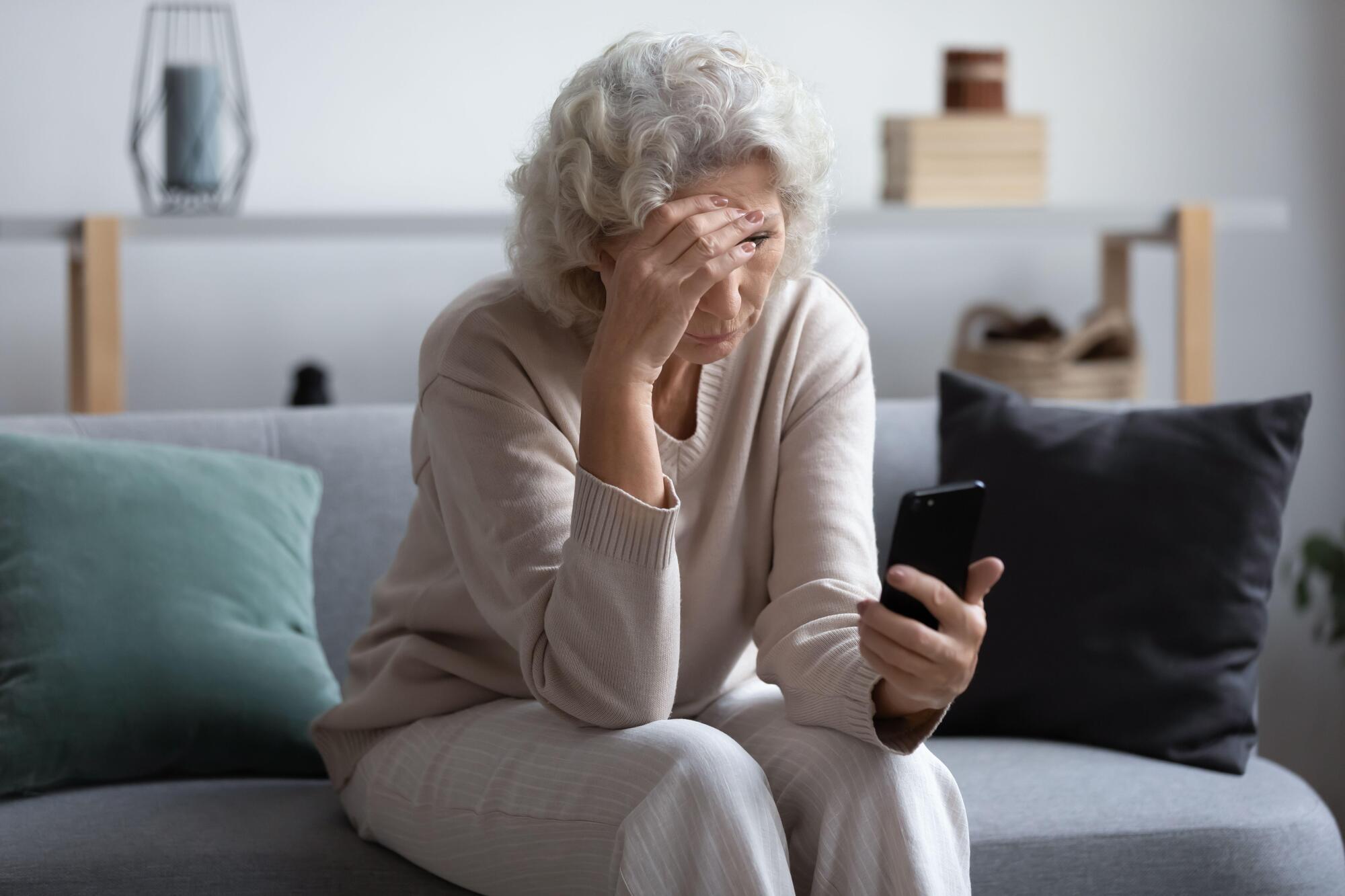
Older people living in their own homes were restricted and frightened into isolation – 'Some older people were reduced to donning disguises just in order to go for a walk', new report finds. File picture
An alliance of some of the country's most prominent organisations for the elderly has claimed "if ageism had not been so prevalent, the effects of the pandemic on older people would have been less severe".
A new report by the Alliance of Age Sector NGOs claims older people felt "cancelled" by the response to the pandemic, and that older citizens must play a central role in any recovery.
It outlines how older people, while grateful for the protection measures put in place, found themselves suffering the "unintended or unforeseen consequences".
"As lockdown followed lockdown, it turned out that, for many older people, and despite their resilience, the side-effects of Covid-19 – loss of confidence and capacity, loneliness, isolation, anxiety, depression – were and are as harmful as the disease, and perhaps more so," it said.
The alliance, which is made up of organisations including Alone, the Irish Hospice Foundation and the Irish Senior Citizens Parliament, among others, added that older people believe ageism – which the report describes as "a virus" which "pervades everything" – played a role.
According to the report:
- Older people died disproportionately to others – "Too frequently, their end of life wishes were not sought or honoured" – and were also bereaved disproportionately;
- Older people’s lives were disrupted profoundly – "Precious time was lost, that can’t be regained" – while many of those living in nursing homes "were marooned in their bedrooms", with relatives and friends unable to visit them properly for months on end;
- Older people living in their own homes were restricted and frightened into isolation – "Some older people were reduced to donning disguises just in order to go for a walk";
- Older people felt they were being "cancelled", including how their efforts to volunteer, such as in the Community Call, were rebuffed;
- Older people felt financially compromised, fearing becoming deskilled, forced into passivity and thrust into the category of "vulnerable", "dependent" and "in need of protection".
Social contacts were undercut, it said, and people's health deteriorated, including through the cancellation of medical appointments.
"The backlog in services will cost lives and there is every chance that the system will be overwhelmed by pent-up demand and need," it said.
There were also concerns over the acceleration of existing conditions, and the report said many older people simply felt depressed.
It also said what happened was not inevitable.
"The National Positive Ageing Strategy (NPAS), published in 2013, has been waiting for Government to dust it off, update and refresh it and take it seriously," it said.
"Had it been implemented in the seven years between publication and pandemic, many of the negative effects on older people of the Covid-19 response could have been avoided."
CONNECT WITH US TODAY



Be the first to know the latest news and updates