Simon Coveney to clarify future of 'Post-94' cohort of short-staffed Defence Forces
Simon Coveney to clarify future of 'Post-94' cohort of short-staffed Defence Forces

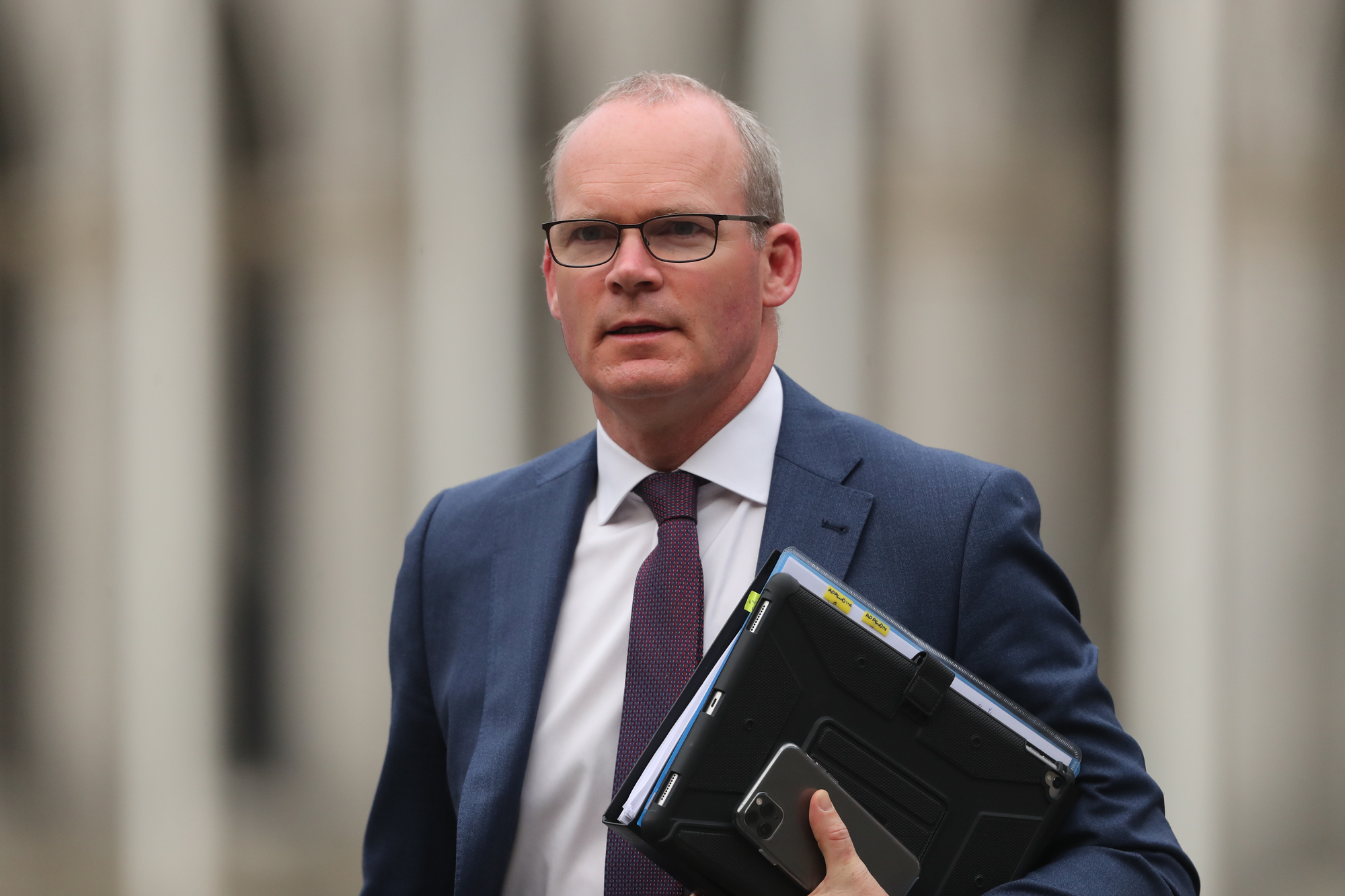
Defence Minister Simon Coveney said he hopes to 'provide certainty by the end of the year' on what will happen to personnel. File picture

A 700-strong cohort of experienced Defence Forces personnel will know, before the end of the year at the latest, if they will be forced to retire or be kept on.

The cohort, known as the Post-94 group, were given shorter contracts when they joined up and, under the terms of the contracts, will be forced out of the Defence Forces in December 2022, unless there is ministerial intervention in the meantime.

Defence Minister Simon Coveney has told the Irish Examiner he recognises the situation and said he hopes to “provide certainty by the end of the year" on what will happen to them.

Many of the 700 are experienced NCOs (corporals and sergeants), who form the backbone of the country's military.

The Defence Forces is already short of the minimum number of personnel it requires. 

The latest figures supplied by the Defence Forces show that as of June 30, they were short 981 personnel of the number they require across the Army, Naval Service, and Air Corps.

PDForra president Mark Keane whose association represents enlisted personnel in the Defence Forces, said “it did not make economic sense” to get rid of the Post-94 cohort, especially if these people want to remain in the service of the State and are still fit and able to do so.

He said the 700 need to know what's happening as soon as possible.

“PDForra remains committed to working with the Minister for Defence and the Department of Defence to bring certainty to these, our members, and their families," he said.

The Naval Service alone is down around 200 personnel on its minimum strength of 1,067. 

This has led to two ships being tied up for the past two years and a curtailment in the number of patrols mounted by the remaining vessels.

Mr Coveney has said he is also going to look again at the sea-going service commitment scheme (SSCS), which became operational on January 1.

Under the terms of the SSCS, around 40% of Naval Service personnel are ineligible for the payment, as they have not served for a minimum of three years and are not considered fully trained.

Mr Coveney introduced it in an attempt to bring certainty on the number of crew members who would be available for sea patrol duty going forward.

In return for a €10,000 payment — which is taxable — personnel have to sign up to undertake a minimum of 240 patrol days at sea over a two-year period.

Mr Keane said this was creating a two-tier navy. It was unfair to have a person getting the bonus when another person beside them, doing the same amount of work, wasn't getting it, he said.

Mr Coveney said he would like to get more people to sign up for it and was looking at it again.

He added that he did not “want to over-promise” on any outcome and there would need to be “a conversation” about this with the Department of Public Expenditure and Reform.

Mr Keane said PDForra had written to Mr Coveney asking him to broaden the terms of the scheme as "it disadvantaged our young members".

He suggested a compromise could be dropping the three-year service eligibility to 18 months or a year.

More in this section

Lunchtime News

Newsletter

Keep up with stories of the day with our lunchtime news wrap and important breaking news alerts.

Cookie Policy Privacy Policy Brand Safety FAQ Help Contact Us Terms and Conditions

© Examiner Echo Group Limited