Irish water quality under pressure as a result of human activities
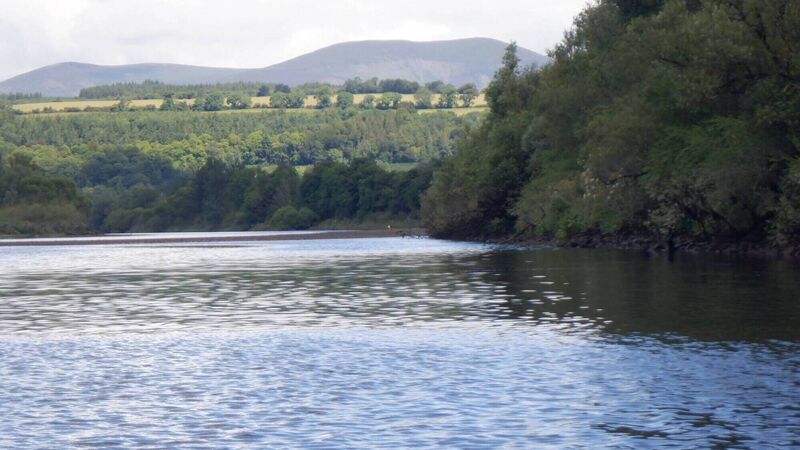
A total of 583 samples were collected over four days across Ireland, with 33 of the 46 river catchments nationwide also being included; rivers were also the most sampled waterbody in the survey, followed by streams and canals. Picture: Dan MacCarthy
A new survey conducted of Ireland's waterways has found that litter, nitrates, and phosphates are major problems in many areas.
Conducted by 'citizen scientists' under the guidance of Dublin City University’s Water Institute and environmental charity Earthwatch, the survey found Irish water quality to be under increased pressure from human activities, particularly in urban areas and in the east of the country.
The report found that litter was present in 26% of sample locations in Dublin.
The WaterBlitz survey also tested for the presence of nitrates and phosphates, the two most common pollutants of European waters.
Thirty-eight percent of streams and 20% of rivers nationwide tested for nitrates had lower quality water.
The report also found that 26% of streams and 30% of rivers tested for phosphates also had a lower quality of water.
In addition to testing for the presence of common pollutants, citizen scientists taking part in the survey were also asked to observe algae, scum on the water surface, and levels of litter, particularly personal protection equipment.
Speaking on the importance of the data collected by the survey, Dr Susan Hegarty of DCU’s Water Institute said that it “cannot be underestimated”.
“The results show that water quality is under pressure from human activities particularly in the east of the country and in urban areas," Dr Hegarty continued.
The WaterBlitz survey was conducted by about 800 citizen scientists over four days.
Participants included 23 river and environmental groups, 17 came from Tidy Towns and community groups, four came from angling groups with 10 schools also taking part; the remaining participants were made up of individuals and families.
Established river trusts and catchment groups were a large part of this year’s WaterBlitz, with the authors of the report saying “recruiting people to do the testing was a very easy sell, they were delighted to be asked”.
A total of 583 samples were collected over four days across Ireland, with 33 of the 46 river catchments nationwide also being included; rivers were also the most sampled waterbody in the survey, followed by streams and canals.
The 2019 survey also found that despite 18% of rivers tested having high levels of nutrient nitrates, Dublin had the lowest levels of pollutants of the four European areas surveyed, with the other three areas consisting of Paris, London, and Luxembourg.
As one of the key pollutants of Irish waters, nitrates are often found in the presence of fertilisers.
When washed into watercourses and water bodies, they can cause a process of eutrophication which occurs when water becomes enriched with nutrients.
This can lead previously healthy lakes or rivers to become choked with algae, severely depleting water-dissolved oxygen, resulting in the elimination of other forms of aquatic life.
The second main pollutant — phosphates — are commonly found in water following the use of fertilisers and detergents; they can also come from domestic sewage and are a major source of water pollution.
Like nitrates, phosphates encourage the growth of algae which can have adverse effects on the water’s oxygen levels.
CONNECT WITH US TODAY



Be the first to know the latest news and updates