'Urgent action' needed as report finds barely half of Irish waters in 'satisfactory condition'
'Urgent action' needed as report finds barely half of Irish waters in 'satisfactory condition'

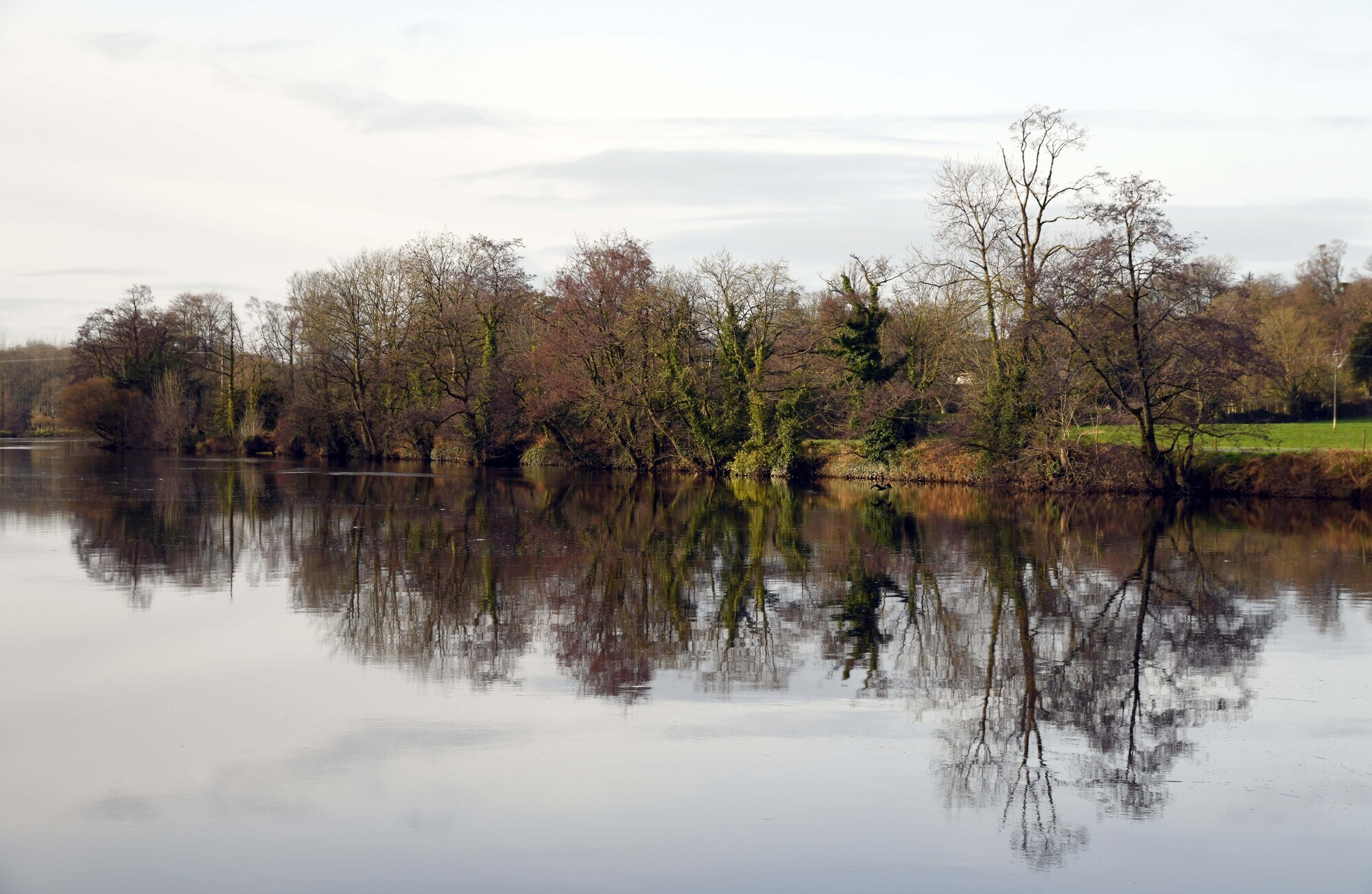
The River Blackwater, one of the Cork waterways identified as having nitrogen levels that are 'too high', according to the EPA. File picture: Denis Minihane

Five Cork rivers are among 13 displaying nitrogen levels that are “too high”, with “significant implications for the marine environments they flow into”, according to a new report.

Ireland’s surface and groundwater is in need of “urgent and targeted action” to curb nitrogen pollution, which has resulted primarily from agricultural activity, the State’s environmental watchdog has said.

The Rivers Lee, Bandon, Blackwater, Maigue, and Deel were all cited as suffering from escalated levels of such pollution.

The latest report on water quality across Ireland from the Environmental Protection Agency (EPA) states that barely half of Ireland’s rivers and lakes are in a “satisfactory condition”, meaning a sizeable minority are not capable of sustaining a healthy ecosystem for fish, insect and plant life.

'Agricultural activities'

The report said nitrogen levels in rivers, groundwaters, and estuaries in the South, South-East and East of the country “are too high and increasing
 primarily due to agricultural activities”.

However, since the previous iteration of the report, there has been a “modest improvement” in the biological quality of Irish rivers overall, with 345 waterways showing improvements and 230 declining in quality.

The EPA said high nutrient levels, such as phosphorus and nitrogen which result from human activity, have resulted in the water network coming “under pressure”.

“Urgent and targeted action is required to reduce the amount of nitrogen entering our waters,” the report said.

Just under half of rivers, 47%, a quarter of groundwaters – those held underground in the soil or between rock – and 20% of estuaries and coastal water bodies have nitrogen levels that are too high, it said.

“We urgently need to address nitrogen pollution so that we can protect and restore the water quality in these areas,” Dr Eimear Cotter, the EPA’s director of evidence and assessment, said.

If we do not substantially reduce nitrogen inputs to our rivers, and ultimately our marine environment, we are in danger of further deteriorations in water quality and losing our excellent coastal water quality."

Regarding the 230 waterways which have declined in quality, EPA programme manager Mary Gurrie said that fact is “off-setting improvements and hampering progress”. 

Nitrates Action Programme

She said it was “essential” that further deterioration is prevented via the State’s next River Basin Management Plan, due in 2022, and Nitrates Action Programme.

Both nitrogen and phosphorus are nutrients essential for plant growth. However, an over-abundance of both in water can lead to an overgrowth in plants and algae which can outcompete other life in the water thus disturbing the ecosystem.

The water quality report was run over a three-year period, between 2018 and 2020, at 1,326 river sites.

Some 585 of those sites are now classified as being ‘high quality’, the EPA said, an increase of 101 sites for that category over the previous iteration of the report.

It added that while Irish Water is making progress in reducing the number of wastewater plants on the EPA’s priority action list, “continued and sustained investment is needed to address water quality issues from urban wastewater” and to meet the authority’s Water Framework Directive objectives.

More in this section

Lunchtime News

Newsletter

Keep up with stories of the day with our lunchtime news wrap and important breaking news alerts.

Cookie Policy Privacy Policy Brand Safety FAQ Help Contact Us Terms and Conditions

© Examiner Echo Group Limited