‘Faulty facts’ on social media delaying vaccination of children, experts warn
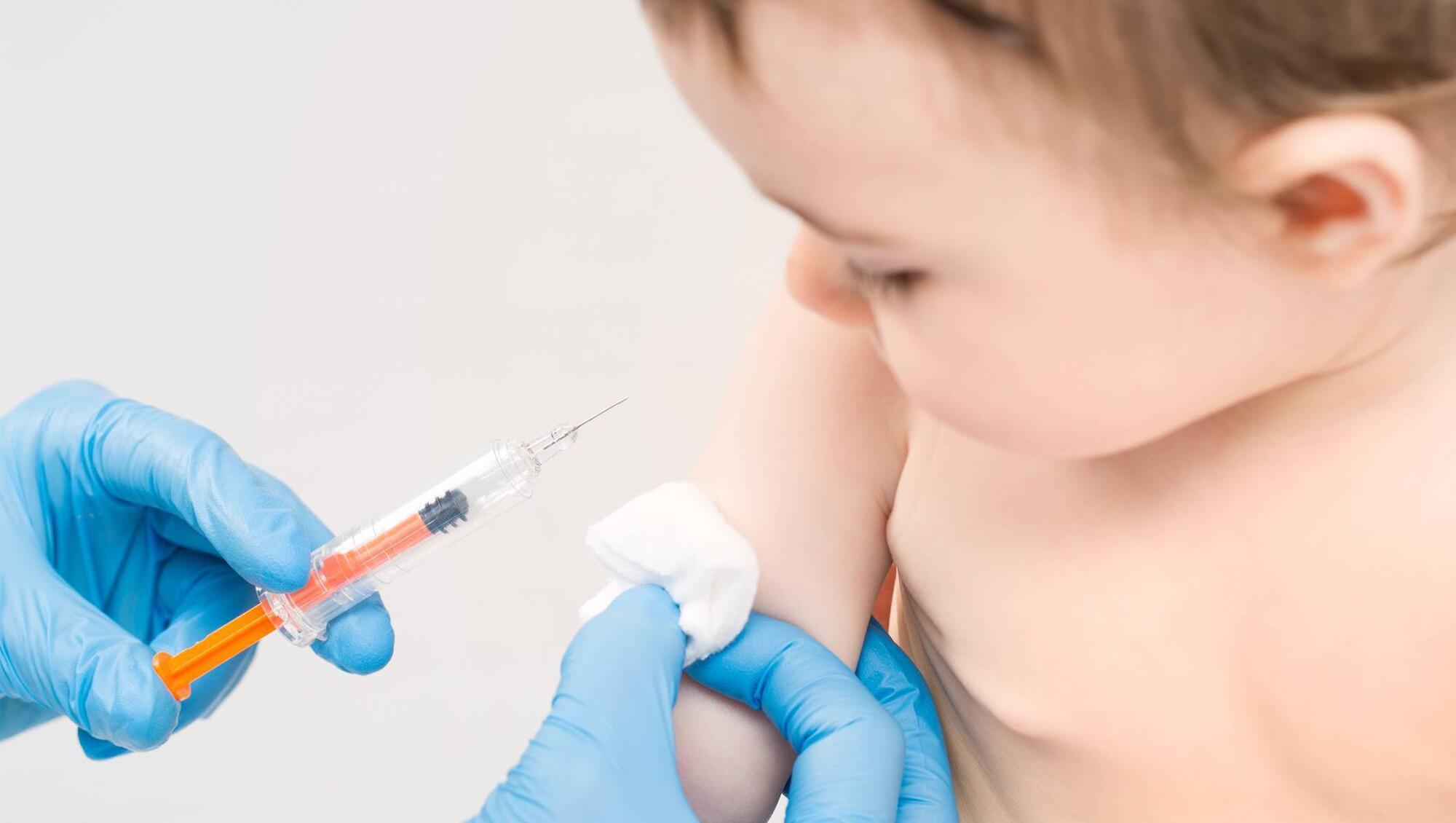
'The risk posed by not vaccinating is far greater than any risk associated with receiving a vaccine,' the report says — but some parents avoid having their children inoculated with vaccines such as the MMR jab.
Stock picture
Some parents are delaying getting their children vaccinated because of “faulty facts” on social media, a group of medical and scientific experts from the Royal Irish Academy has said.
The experts, who sit on the academy’s life and medical sciences committee, said some parents were “still” listening to false claims made over 20 years ago about the measles, mumps, and rubella (MMR) vaccine causing autism, which were without basis.
Other misinformation falsely claimed that vaccination can trigger other conditions, such as asthma or diabetes.
Kingston Mills, an experimental immunology professor at Trinity College Dublin, Bert Rima, emeritus professor at Queen’s University Belfast, and Dick Ahlstrom, former science editor with , have issued a 14-page paper on vaccines to debunk misinformation circulating on social media.
“This misguided view is being driven at least in part by parents picking up faulty ‘facts’ from social media and accepting claims by bloggers that are not backed up by scientific evidence,” said the experts.
"It is slowly being undermined by the incorrect view that vaccination is not safe.”
The experts said that vaccines have been around for over 200 years and are among the safest medical interventions available, saving more lives every year than antibiotics or surgery and preventing hundreds of millions of deaths from infectious diseases, such as smallpox, polio, and diphtheria.
Vaccines are subject to constant safety monitoring by international and national agencies, including the Health Products Regulatory Authority in Ireland and the European Medicines Agency, they said.
They said the ‘faulty facts’ on social media could lead to lower vaccine uptake rates, jeopardising the protection offered not only to those vaccinated but to the whole community.
“The risk posed by not vaccinating is far greater than any risk associated with receiving a vaccine,” the experts said.
They said lower vaccination rates had triggered several measles outbreaks in Ireland and other countries, leading to preventable fatalities:
"These diseases can be very serious and even fatal in infants and young children if they are not protected by vaccination."
The experts also pointed out that vaccines were key in the battle against Covid-19 and that new vaccines were being developed to prevent cancers, hospital-acquired bacterial infections, and malaria, among other illnesses.
CONNECT WITH US TODAY



Be the first to know the latest news and updates