Public warned of dangers of giant weed which causes blisters and serious burns
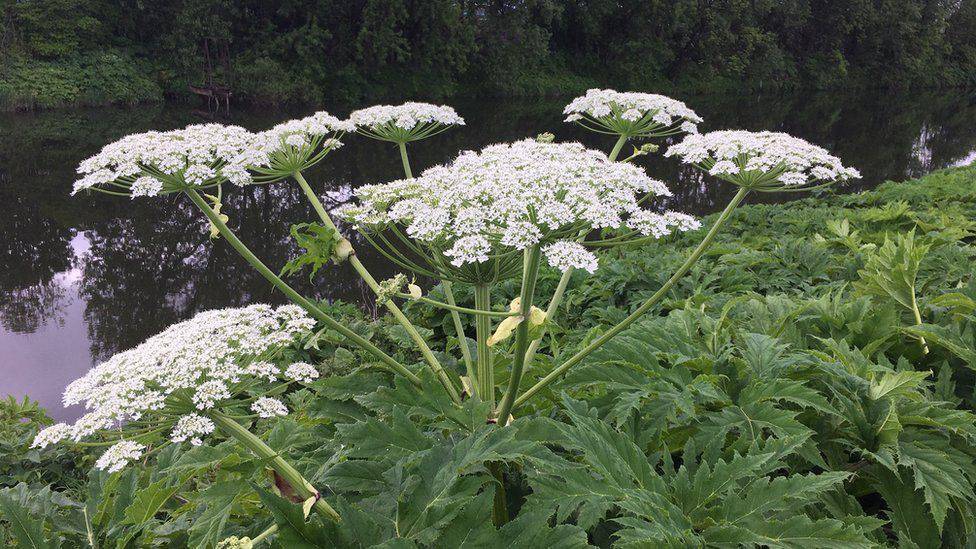
The white flowers of the Giant Hogweed, look quite nice and would nearly attract children to pick them, but they are very dangerous.
A GP is warning the public about the dangers of a giant weed which can result in serious burns resulting in hospitalisation.
Dr Justin Kwong said he has dealt with several cases so far this summer and feels it is important to warn people about the dangers of giant hogweed.
Giant hogweed is widespread around Ireland at this time of the year and is usually found around areas which are quite sunny, which have moist soil.
It is also found in bogs, fens, grasslands, woodland, urban, agricultural and horticultural areas. The weed can grow up to a maximum of 12ft or up to 5m in height with clumps of white flowers.
Initially, the species was brought to Ireland as an ornamental plant of parks and gardens. Its seeds can travel on the wind and in water, meaning that it can travel relatively easily in the right conditions. It may be unintentionally spread further by contaminated soil.
Dr Kwong said: “The sap is toxic and can cause severe burns and blisters on the skin that can last for a long time and will be extremely sensitive to sunlight.
“The white flowers which look quite nice. It (the weed) would nearly attract children to pick them. Unfortunately the sap from the flowers can be quite irritating to skin and can actually cause large blisters and burns.
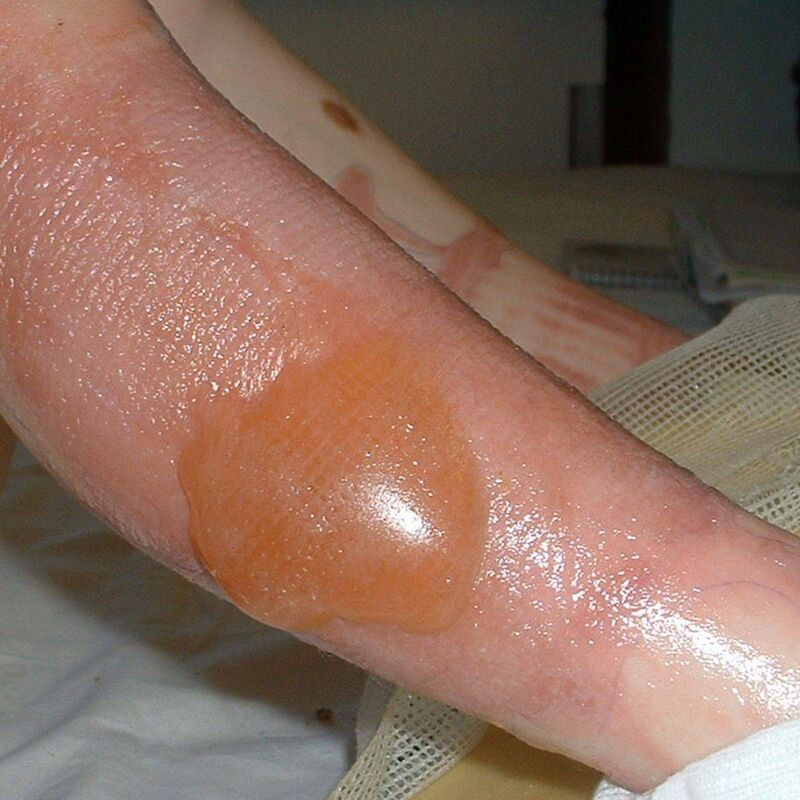
“These burns can be serious and need to be seen to at a (hospital) A&E. They are similar to the burn you would get from being scaled with hot water or from a hot element.”
He explained that the rash can develop from small blisters into one large water blister filled with the dangerous sap.
“This rash can spread and personally I like to treat it with an antibiotic as the blisters when they pop are prone to getting affected,” the Kilkenny-based GP explained.
Dr Kwong warned that the public should be aware of the weeds especially if going for walks, hikes or if pets have been close to the plant as they can transfer the toxic spores.
“They look like elderflowers, but the hogweed comes up from the ground on stalks. The body doesn’t react too well to things like sap from certain plants.
“Don’t ignore it if you get a rash on the skin or develop blisters. Google will come in handy to show you photos of hogweed if you are not familiar with it,” he added.


CONNECT WITH US TODAY



Be the first to know the latest news and updates