Electricity sector could reduce carbon by 80% in a decade, new research finds
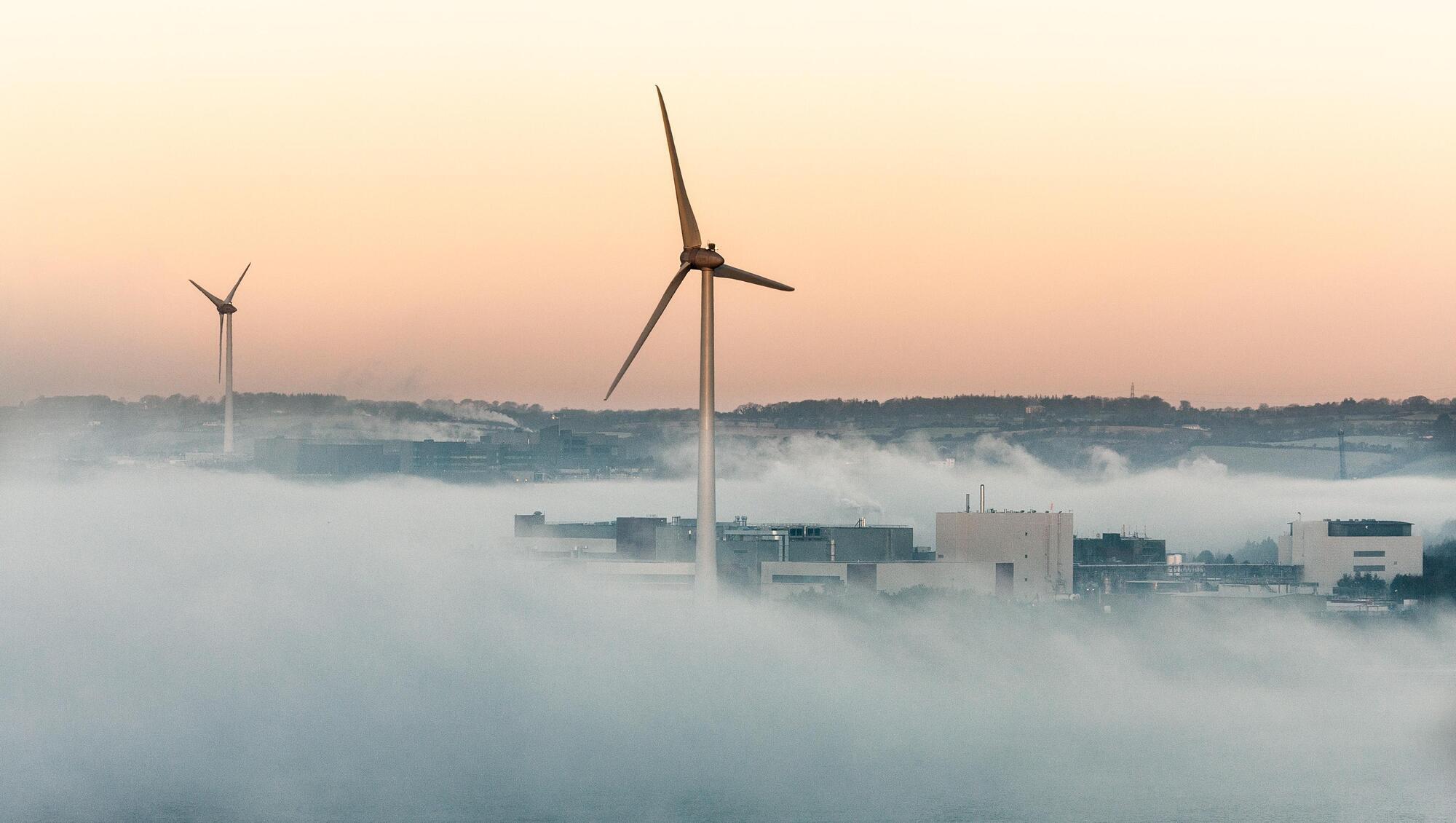
The cost of wind and solar energy is 'virtually zero' once the infrastructure is built, said Mark Turner from consultancy firm Baringa Partners. File picture: David Creedon / Anzenberger
Carbon emissions from Ireland’s electricity sector could be cut by 80% by the end of the decade and result in annual consumer savings of about €180m, a new report has found.
The research, conducted by independent consultancy firm Baringa Partners and published by Wind Energy Ireland on Wednesday, said reducing emissions in the sector from almost 10m tonnes of CO2 to below 2m tonnes is “very achievable”.
This reduction could be reached without any significant changes to the measure in place to meet the current target of 70% renewable electricity by 2030, and would be facilitated by increasing renewables to 85%, the report found.
The report sets out three key conditions that must be met if Ireland’s carbon emissions in the electricity sector are to fall by 80% between now and 2030.
The State must accelerate the drive towards the existing Government targets of 8,200MW of onshore wind and 5,000MW of offshore wind, while introducing a more ambitious target for 5,000MW of solar power.
EirGrid must replace its fossil-fuel-based back-up system with one which uses zero-carbon technology, and the electricity grid must be strengthened over the next 10 years with new grid infrastructure.
The report also sets out a more long-term pathway to a zero-carbon electricity system by the early 2030s
It states that a switch to green hydrogen and long-duration storage technology, as well as the introduction of a carbon price floor for the Irish electricity sector of €100 per tonne of CO2 would reduce carbon emissions from Ireland’s electricity system to zero.
Mark Turner, from Baringa Partners, said advances in the sector over the past three years enable the State to be more ambitious.
“One of the key things, for example, is EirGrid's confidence and ambition for being able to operate a system with a high level of renewables. That has given us the confidence to say we can go further here," he said.
Mr Turner added there are two elements of their proposals that would significantly drive down the cost of electricity, resulting in annual consumer savings of €180m by 2030.
The cost of wind and solar energy is "virtually zero" once the infrastructure is built, Mr Turner said, while the removal of fossil fuel back-up stations would save €260m in operational costs in 2030.
Noel Cunniffe, chief executive of Wind Energy Ireland, said the grid is the “number one barrier” to meeting our 2030 targets, and called for increased investment in resources and employees within State agencies and departments focusing on the area.
“We have really good targets, we’ve really good ambitions but we’re probably building on blocks that aren’t quite in place yet and we really need to focus on that,” he added.
In order to reach these targets, Mr Cunniffe said there was a need for offshore wind in the next 12 to 24 months, and wind energy guidelines need to be published "as soon as possible".
CONNECT WITH US TODAY



Be the first to know the latest news and updates