Survey finds 'goodwill' of Defence Forces officers is exhausted
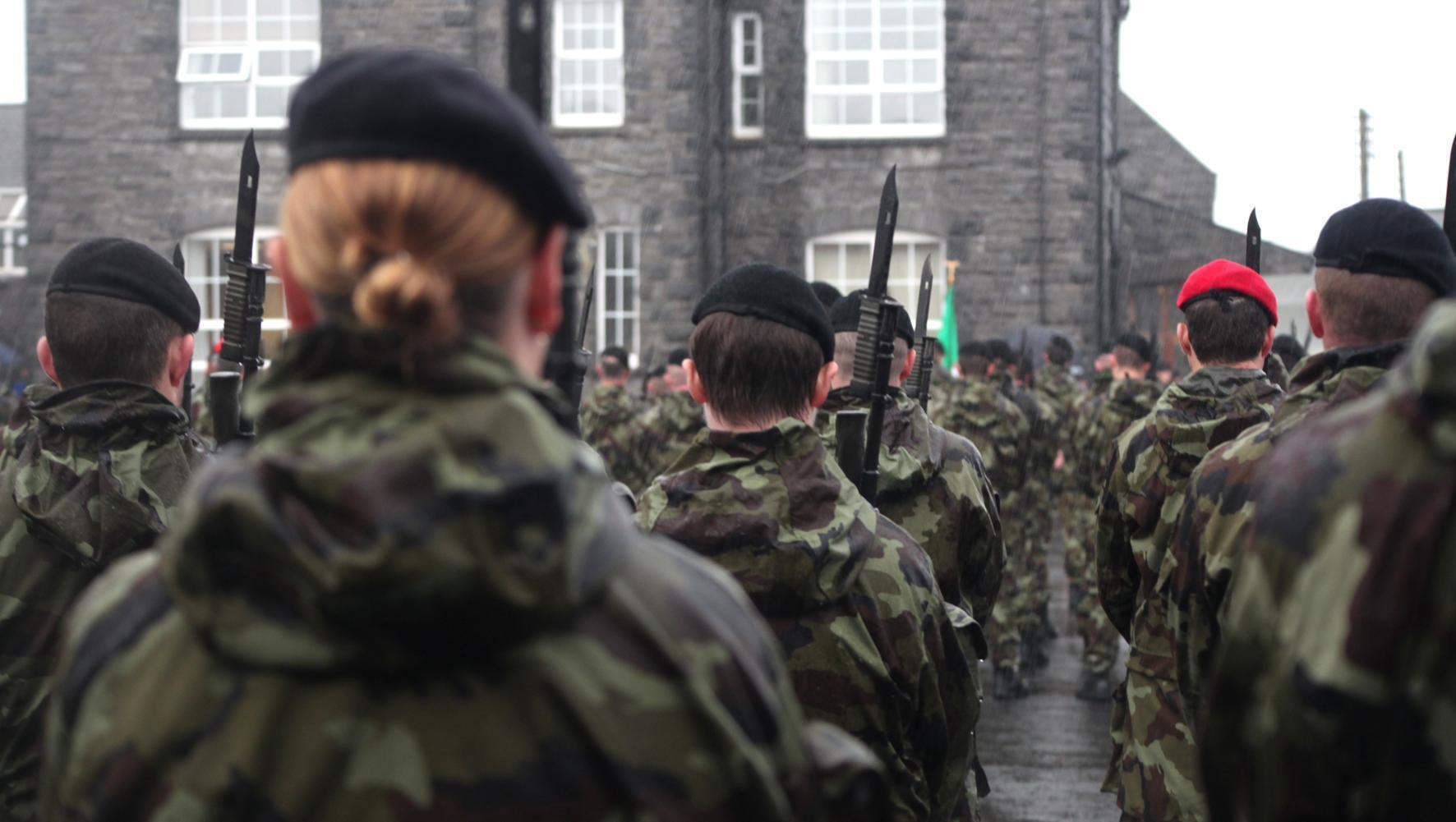
A new survey suggests the majority of officers in the Irish Defence Forces want an overhaul of pay and working conditions.
A survey by the Representative Association of Commissioned Officers (Raco) has found more “push factors than pull factors” for officers in the Defence Forces.
The survey is an attempt to identify issues leading to early retirement and make recommendations to ensure a better life for Ireland’s military.
The association has provided these suggestions to the Commission on Defence in the hope that they will be among its recommendations to Government.
Raco general secretary, Commandant Conor King, said their analysis from the survey indicated “a greater number of push factors than pull factors” leading officers to retire early.
Pay and conditions are generally described as more favourable in the respondents' new jobs, while work-life balance and personal value in the Defence Forces is not considered positively.
Comdt King said Raco had picked four main themes which his association believes should be acted on, with pay and conditions being among them.
He said Raco believes too many of the day-to-day requirements of the Defence Forces “are being met solely through the goodwill and dedication of soldiers, sailors, and aircrew” and at some point the “goodwill will be exhausted and personnel will feel the need to move to sectors where effort is rewarded rather than applauded".
The survey showed that 40% of respondents left because of inadequate pay and/or benefits, while 60% cited working conditions and work-life balance as being the reason why they quit.
“What is clear from the qualitative data, however, is that better pay and benefits would go a long way to offset these difficult conditions,” Comdt King said. “The DF [Defence Forces] and DoD [Department of Defence] must advocate in the strongest terms for improved pay and conditions for all ranks and improve ‘the offer’ of a career in the Defence Forces.”
Another issue highlighted was the less favourable pension terms for those who joined the Defence Forces post-2013, which Raco also wants addressed.
Another Raco recommendation focuses on "geography and HR planning". Raco says there is an over-emphasis on moving people around, often to plug gaps, “which is harming officers and the units they serve". Comdt King has suggested the Defence Forces must make a genuine attempt to consolidate its taskings to enable better medium-term planning for officers, with greater value placed on unit and sub-unit appointments.
He said an additional solution would be the decentralisation of a number of Defence Forces headquarters and corps directorates to locations other than Dublin or Cork, or the Defence Forces training centre.
“Full implementation of the Working Time Directive [WTD] in line with national and European legislation is an obligation that must be met in this regard also. Constructive engagement with the health and safety provisions of the WTD will improve HR planning, reduce stress, and positively impact all members of the DF,” Comdt King said.
A further recommendation was made under the heading of "organisation and leadership", which maintained the general staff must be seen to be "more vigorous and open advocates" for their uniformed personnel.
“It is not always easy for subordinates to see the efforts of superiors, and the senior leadership should do more to make positive, local impacts for serving personnel. Leaders should continue to project a positive outlook for the organisation, but one that reflects the reality of serving personnel,” Comdt King said.
While the Defence Forces is recognised as a world leader in overseas peace-supporting operations, the domestic role for the army has been “ill-defined in recent years", he said. In Raco's "roles and impact" recommendation to the commission, it suggested that a better-defined on-island role should be identified.
"The consistent churn of officers and a similar trend emerging for NCOs is eroding the unit identity that is central to military esprit de corps,” Comdt King said.
“Time and space, outside of pre-deployment phases, for units to train and exercise in their conventional roles, and regain a sense of military cohesion and pride, must be made available,” he added.
CONNECT WITH US TODAY



Be the first to know the latest news and updates