Hiqa calls for urgent review of care regulations after 'challenging year'
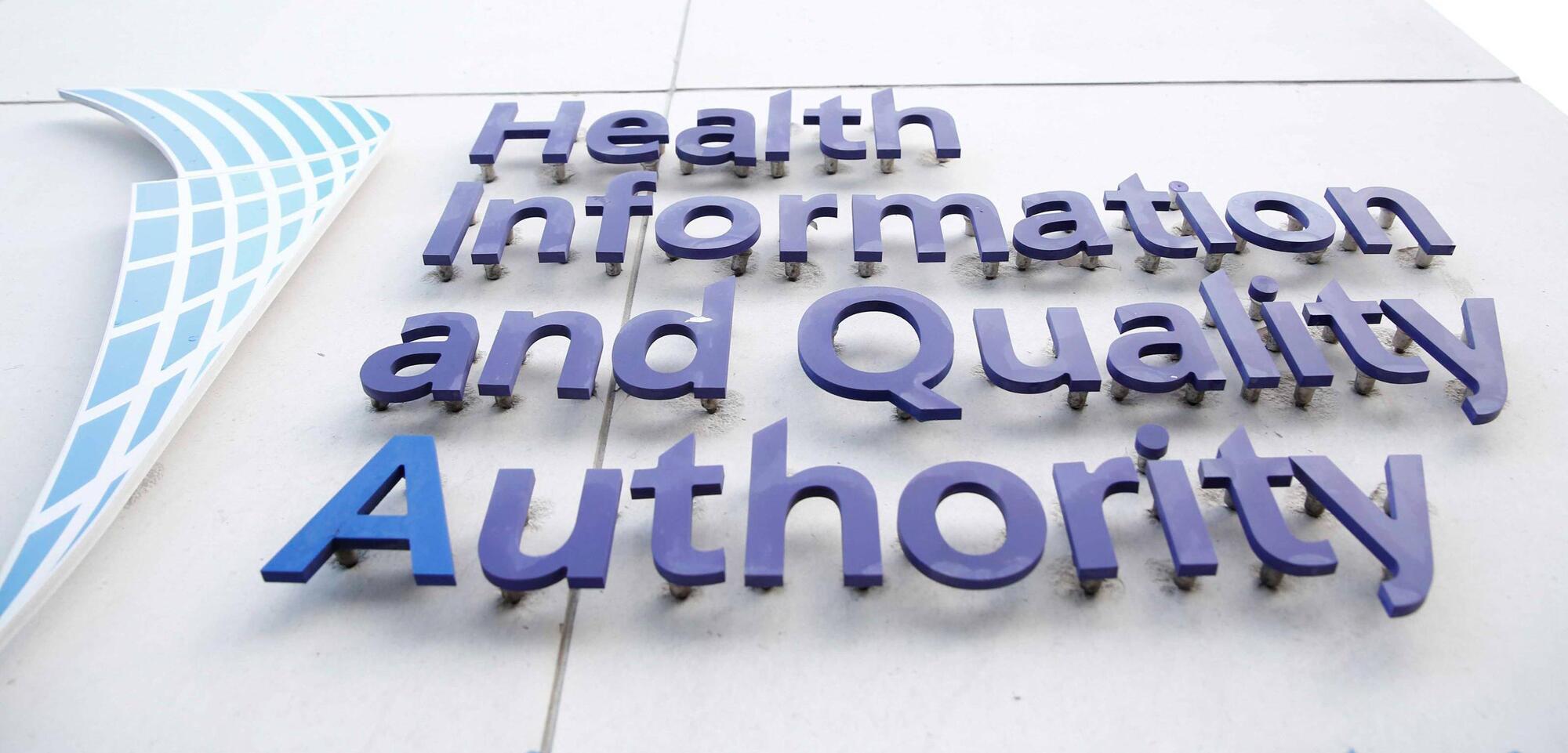
Hiqa cited a number of nursing homes just days ago for not meeting the required standards in care for the elderly. File Photo
The pandemic exposed gaps in how our most vulnerable people are protected, and an urgent review of care regulations is now needed.
That is according to the annual report for the Health Information and Quality Authority (Hiqa) published on Wednesday. Hiqa received 1,838 concerns about services last year from the public.
Hiqa chief executive Phelim Quinn said: “Our experience of regulating during the pandemic has highlighted the need for reform in the way in which services are delivered to our older citizens.” And he said the last year revealed many challenges built into the systems.
“Covid-19 exposed gaps and shortcomings in the current regulatory framework,” he said. “And over the past year Hiqa has repeatedly called for a review process to make the current regulations fit for purpose and in line with the changing models of care we see across the country.”
Mr Quinn described last year as “a challenging year for everyone and every organisation”.
Hiqa was particularly involved in the regulation of nursing homes, with a number of homes cited just days ago for not meeting the required standards in care for the elderly.
The report says 82% of nursing homes reported at least one case of Covid-19, and that the virus still presents “a real and present danger” to the sector.
Our 2020 Annual Report is now available. It details our work to improve the quality and safety of health and social care services and respond to COVID-19 last year. Read it here: https://t.co/IdVu8diF7U pic.twitter.com/szH4Tmfcx4
— HIQA (@HIQA) June 9, 2021
They also worked with the National Public Health Emergency Team (Nphet) providing evidence-based reviews on issues like mask-wearing.
Mr Quinn said: “Our evidence synthesis work advanced knowledge about the emerging virus, providing advice to decision-makers on how Covid-19 could be better identified, tracked and traced, and how to better protect our vulnerable populations.”
The report also includes the Report of the Chief Inspector of Social Services. The services carried out 1,242 inspections last year.
Chief Inspector of Social Services and Director of Regulation Mary Dunnion said families provided them with information about the lack of access to nursing homes.
She said: “From the beginning of the pandemic, we were contacted by concerned members of the public. These included bereaved, concerned and sometimes frightened relatives of residents and patients who were unable to visit or speak with their family member and were unclear about what was happening for them.”
Overall, Ms Dunnion echoed Mr Quinn’s call for change. She said the support for older people or people with disabilities to remain in their own homes is “underdeveloped” and must be expanded upon.
It is time to move away from thinking all services or care should be provided in a single building, and to offer care in a way which suits people, she said. The pace of change must be increased and take account of the ongoing impact of the pandemic, she said.
“It will take some time before the fallout from the 2020 pandemic is fully appreciated. As we move into 2021, we are acutely aware that this public health emergency is far from over,” she warned.
In a note to the report, chairman Professor Pat O’Mahony offered his sympathies to families who lost loved ones to Covid-19.
Outside of Covid concerns, the report states that 4,842 members of the public took Hiqa online courses on safeguarding, and 3,204 women answered the Maternity Experiences Survey.
CONNECT WITH US TODAY



Be the first to know the latest news and updates