Medical and social welfare among 3,417 complaints to Ombudsman in 2020
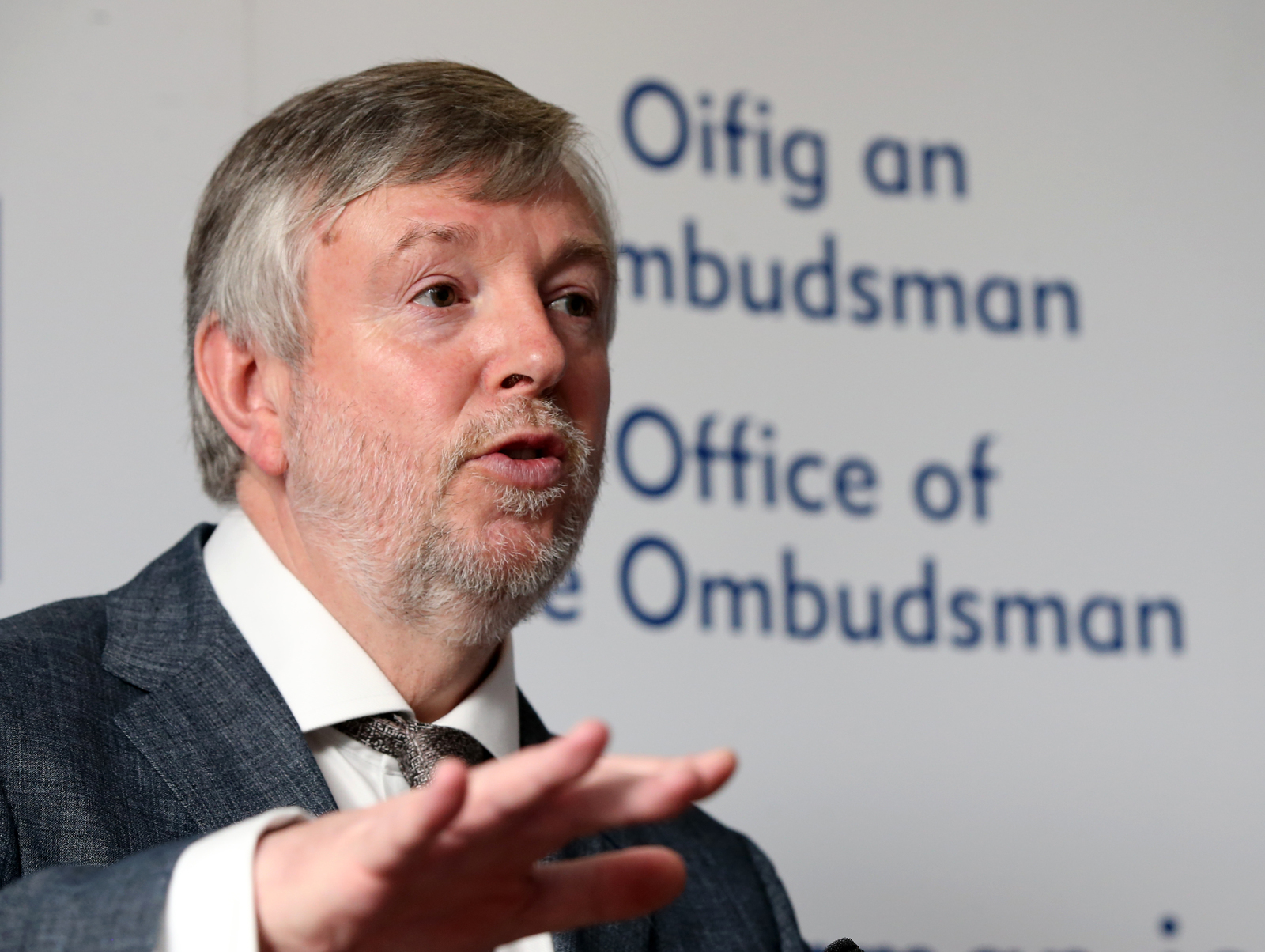
Ombudsman Peter Tyndall will be retiring from his position after almost eight years. File picture: Sam Boal/Rollingnews.ie
A woman who had not consumed alcohol in a decade was prescribed medication for alcoholism as part of emergency cancer treatment, according to a new report by the Ombudsman.
The case of 'Norah' was just one of 3,417 complaints made to the Ombudsman in 2020.
Norah was admitted to the emergency department of the Mater Hospital with severe pains in her stomach and jaundice. An ultrasound confirmed that Norah had liver cancer.
Later that night, Norah was given two medications that are commonly prescribed for individuals who have a history of alcoholism and for the treatment of acute alcohol withdrawal.
Her family later noticed she was drowsy and confused. A doctor came to review the woman, noted she had not consumed alcohol in 10 years and stopped the two medications.
A short time later, Norah died, and the family felt they had missed precious time with her because she was so drowsy from the side-effects of the medication. They were also concerned the hospital had made an assumption that Norah consumed alcohol.
The family made a complaint to the Ombudsman as the prescription was only initialled, and the hospital was unable to identify the doctor who prescribed the medication.
The family's complaint was upheld and is detailed in the Ombudsman’s latest annual report, published on Wednesday.
There were 3,417 complaints made about public services to the Ombudsman’s office in 2020, down from 3,664 in 2019, a decrease of 6.7%.
Of the 1,863 cases that were substantively examined, 25% of cases were fully or partially upheld and 52% were not upheld.
The Ombudsman “provided assistance” in 23% of cases, which is when a case was not upheld, but the complainant has benefitted in some way, for example, by being provided with a better explanation or some form of assurance.
Government departments and offices, which include the Department of Social Protection, were the largest source of complaints (32%), followed by local authorities (26%), and the health and social care sector (18%).
The Ombudsman received 292 complaints from people in Cork, including 53 about Cork City Council and 42 about Cork County Council. Four complaints were received about University College Cork and three were received about Cork Institute of Technology.
Ombudsman Peter Tyndall reiterated his concern about the continued reliance on congregated settings, and announced this would be his final annual report as he will be retiring from his position after almost eight years.
“Covid has shown us how flexible and capable our public services can be in a crisis,” he said.
“We need to bring that urgency and ‘can do’ philosophy to tackling issues with congregated settings including those for people with disabilities and applicants for international protection. That would be a heart-warming legacy from a grim year.”