Information from whistleblowers should not be kept from the media, says Michael Clifford
Information from whistleblowers should not be kept from the media, says Michael Clifford

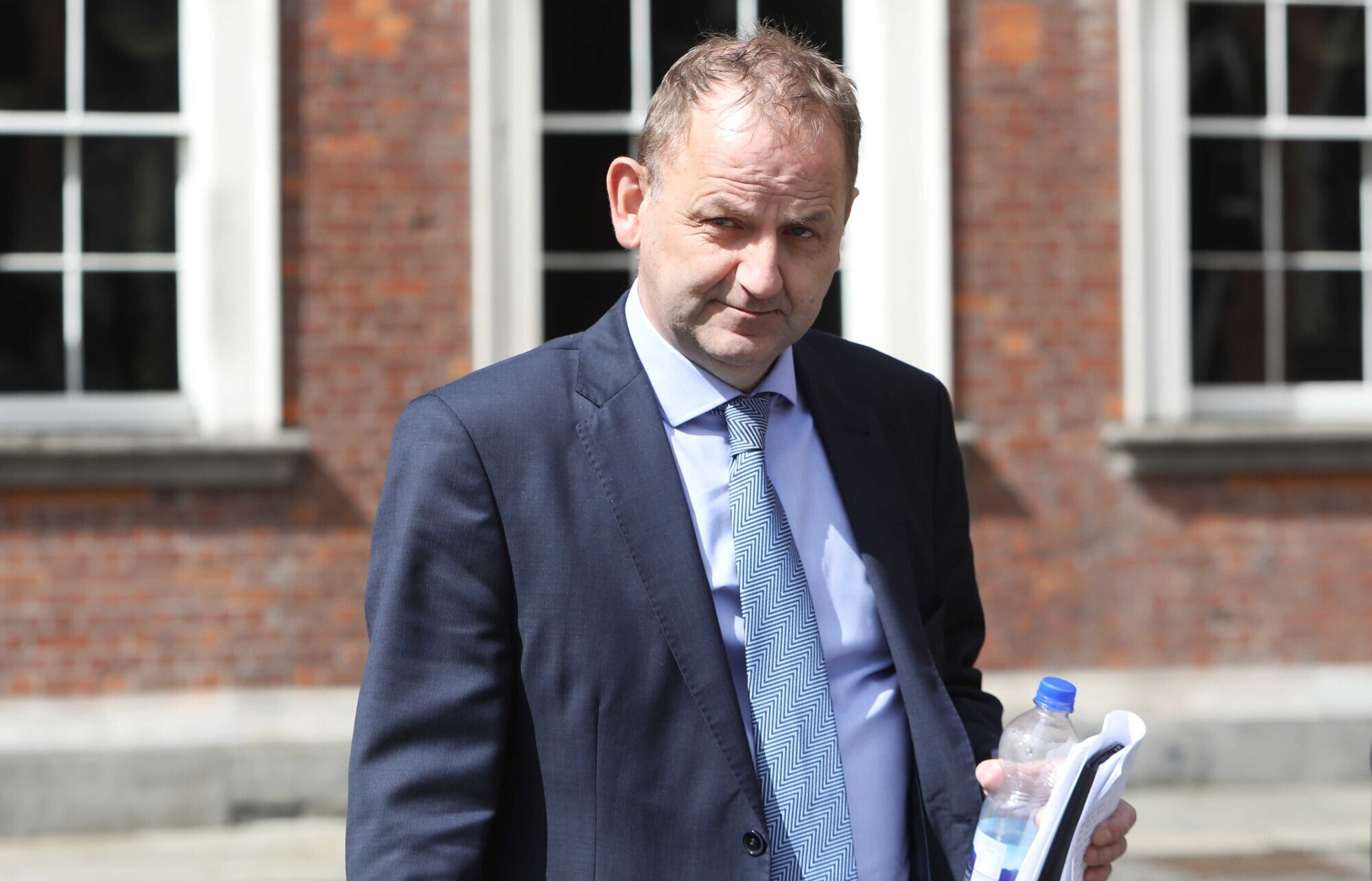
Michael Clifford cited remarks from Judge Peter Charleton about whistleblower leaks to the media made after matters relating to Garda Whistleblower Maurice McCabe (pictured) were leaked to the media. File photo: Leah Farrell/RollingNews.ie

Any move to stop protected disclosures from whistleblowers being leaked to politicians or journalists would be “a retrograde" step, the Oireachtas Finance Committee has been told.

Appearing as a witness before the committee, Irish Examiner special correspondent Michael Clifford, cited comments from Supreme Court Judge Peter Charleton, who headed the Disclosures Tribunal, that the Oireachtas should examine the matter. 

Judge Charleton was speaking on matters relating to Garda Whistleblower Maurice McCabe, which were leaked to the media.

Mr Clifford, in his evidence to the committee, countered the suggestion that this should not happen.

He said that only after matters included in protected disclosures were published was action taken.

Appearing as a witness before an Oireachtas Finance Committee, Irish Examiner special correspondent Staff Michael Clifford said that only after matters included in protected disclosures were published was action taken.

He said that in one case he was involved in “nothing had been done for three months” but in the wake of a story being published, an investigator was appointed within days.

Mr Clifford also said that some complaints raised in protected disclosures can take several years to be completed when, as he put it, things could have been done with greater urgency.

He cited one case involving the Irish Prison Service where a report was concluded within four months.

Mr Clifford also said he was aware of numerous cases where people who made protected disclosures were penalised for speaking up.

Since 2014, it has been the law to allow employees to make a protected disclosure by revealing “relevant information” in connection with their jobs which they believe shows wrongdoing. 

Chairman John McGuinness, speaking after the committee, said what became apparent at the session is that whistleblowers are treated particularly badly by state institutions and evidence is there to prove that.
“The immediate action is containment and defence and they use the financial might of the State to break down the whistleblower which normally results in them losing their job,” he said.

“There is too much evidence of the State beating up on the very people that should be cherished.

"The legislation has failed them and the State has a lot to answer for. The State has shown appalling governance. We need robust legislation to protect whistleblowers and if we don’t deliver that, we will have failed them."

Appearing at the same meeting John Devitt, chief executive of Transparency International Ireland, said despite the introduction of these safeguards, whistleblowers continue to bear the overwhelming burden and risk of speaking up.

"According to our research, workers lose more than 90% of protected disclosure case claims brought before the Work Relations Commission (WRC)," he said.

He told the committee that whistleblowers in certain sectors such as banking can find it impossible to find work in their given profession again. The impact of reprisal on family, physical wellbeing and the mental health of whistleblowers can be devastating.

It is the fear of futility as much as the fear of reprisal that serves to deter people from speaking up, Mr Davitt also said.

“It might not be surprising to hear that one of the most common sources of complaints to our helpline is a failure to investigate wrongdoing. When an employer or regulator fails to address a concern, it exposes the worker to reprisal by allowing their colleagues infer that the worker is in some way unreliable or untrustworthy,” he said.

Mr Devitt said: “Since TII launched our speaker helpline we've helped over 1,850 clients, of which one out of three have been categorised as having made protective disclosures. 

"We observed a 120% increase in the number of calls to the helpline after the 2014 Act was enacted. Each client receives an average of more than 30 hours free support, valued at around €10,000 per client.”

x

More in this section

Lunchtime News

Newsletter

Keep up with stories of the day with our lunchtime news wrap and important breaking news alerts.

Cookie Policy Privacy Policy Brand Safety FAQ Help Contact Us Terms and Conditions

© Examiner Echo Group Limited