Vaccine update: Ireland hits a major milestone, vaccines for children and the Indian Variant
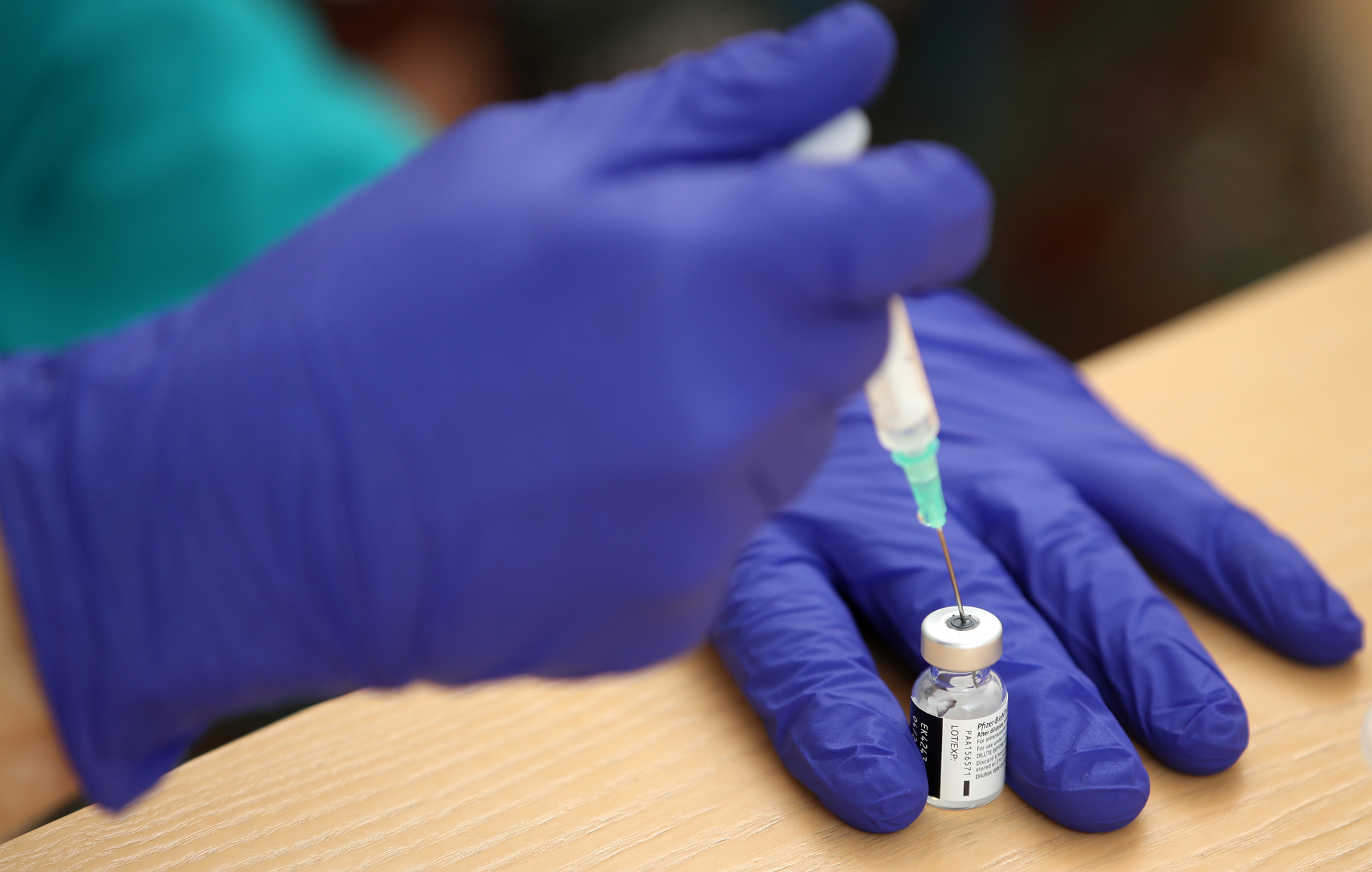
The HSE's Paul Reid expects 300,000 people will be vaccinated this week. File picture
It's been a frenetic couple of weeks for the HSE but the vaccine rollout programme is gathering steam, unaffected by the cyberattack which has disabled many IT systems within the health service.
The HSE's Paul Reid expects 300,000 people will be vaccinated this week, with 2.5 million doses given by yesterday. Online registration is open for 45s and older. The HSE estimates a maximum wait of 21 days between registration and notification of an appointment.
People in Group 7 — people who are at high risk in the 16 to 64 age category — can register with their GP.
Group 4 vaccinations — people at very high risk, ages 16-69 — continue at hospitals and through GPs.
Starting this week, the gap between doses has reduced from 16 to 12 weeks. New stocks of AstraZeneca vaccines will be prioritised for people getting a second dose.
Advice from the National Immunisation Advisory Committee (NIAC) says people aged 40 to 49 can receive Pfizer/BioNTech or Moderna vaccines if AstraZeneca or Johnson & Johnson are not available.
There are now larger deliveries from Pfizer, and updated advice from the company to store this vaccine for one month instead of five days. The HSE says the best vaccine is one that's available first.
Yes, this is the message from the World Health Organisation (WHO).
“All Covid-19 virus variants that have emerged so far do respond to the available, approved vaccines,” said Hans Kluge of the WHO.
He was referring to the four vaccines in use in Ireland: Moderna, Pfizer/BioNtech, AstraZeneca and Johnson & Johnson.
But he noted that variants identified in India are spreading rapidly.
The Indian variants are designated “variants of concern” in Ireland. Data from Public Health England show that cases of the Indian variant rose there from 1,313 to 3,424 last week.
But a new study from Public Health England offers some reassurance. They found AstraZeneca and Pfizer/BioNTech vaccines offer effective protection against this variant, with only “modest differences” compared to their impact on other variants.
However, they warn there is a greater difference if you only have one dose. Both vaccines are 33% effective against symptomatic disease after one dose, this rises to 88% for Pfizer and 60% for AstraZeneca after two.
So the message is, do not relax until you are fully protected.

CONNECT WITH US TODAY



Be the first to know the latest news and updates