ICPO hopes vaccine rollout sees return of family visits for overseas prisoners
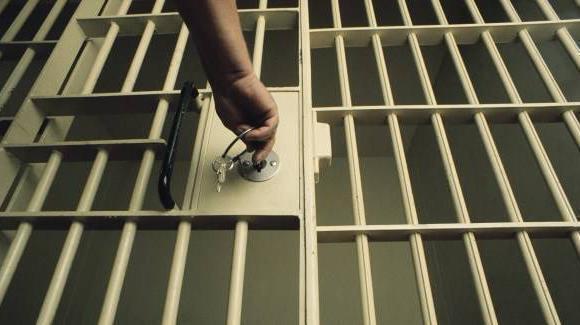
“The majority of our clients are subject to heightened restrictions and with lockdown they are often spending 23 hours a day in their cells," said Mr Hanley. File picture.
Many people evacuated to Ireland when the first wave of Covid-19 struck across the world however one group of Irish citizens did not have the option to do so.
Some 1,200 Irish people in 30 countries around the world are currently detained in prison and have been receiving help from the Irish Council for Prisoners Overseas (ICPO).
Connection, communication and reassurance have been required more than ever from the ICPO, said Brian Hanley, a coordinator based in the Maynooth office in Co Kildare, with prisoners and their families separated by travel restrictions and public health guidelines.
“Maintaining contact has been one of the most important things we’ve been able to do, between families and their loved ones imprisoned overseas,” said Mr Hanley.
“When I think of the families, I mean the pandemic has touched everyone’s lives, everyone has someone that they are worried about.
“It’s no different here, just that they have the added worries and stress of their loved one being in an overseas prison.
There isn’t a family in the country I would suggest that isn’t untouched by a worry similar to that.
The pandemic has also disrupted the visits the ICPO conducts itself to prisons across the world. Mr Hanley said the group visits more than 1,000 prisoners a year.
Many elderly and isolated ICPO clients have no contacts or support except for their case officer, meaning this connection can be vital.
“There has been a noticeable increase in the number of people telling us their mental health has been under additional strain since the beginning of the pandemic.
"These are of concern, particularly as a good number of our clients may have other vulnerabilities and lack robust coping skills.
“The majority of our clients are subject to heightened restrictions and with lockdown they are often spending 23 hours a day in their cells.
“We are currently supporting clients, some in their 80s or 90s who are particularly fearful of contracting the virus in a confined setting like prison,” said Mr Hanley.
Mr Hanley said some prisoners detained overseas have contracted the coronavirus and said that this can be stressful for the incarcerated person’s family.
The ICPO’s hardship fund has also seen increased use as prisoners access grants for basic necessities such as toiletries, water or communication costs like the price of a phone call.
Some deported Irish citizens still need the ICPO’s assistance even after they have served their sentence.
One man returned to Ireland last year and had not lived in the country for 50 years. He had no connections or support network. The ICPO had to help the man quarantine for two weeks while making him aware of public health guidelines before passing him on to other support services.
Other prisoners released early into a community abroad have also needed help from the ICPO.
The virus has disrupted parole hearings and led to some education services being curtailed.
Prison jobs schemes have also been cancelled which only leads to further isolation of prisoners, Mr Hanley said, in turn leading to increased anxiety and stress for prisoners and their families.
Some positives from the pandemic have included an embrace of technology by prison authorities to facilitate communication but Mr Hanley said he would not like to see these advancements replace in-person visits for families.
With a successful vaccine rollout, the ICPO hopes prison visits can resume as a reassurance for prisoners and their families.
“It's hard to know what will happen once vaccination begins to roll out, but I would imagine people would be very eager to visit again.
“Once it can be done safely, it will really be a welcome return to normality to go and to have those visits again. It can really help to keep those contacts and for that emotional support.
“We all know ourselves those Zoom calls are not the same thing,” said Mr Hanley.
CONNECT WITH US TODAY



Be the first to know the latest news and updates