Q&A: The who, what, where and when on vaccines
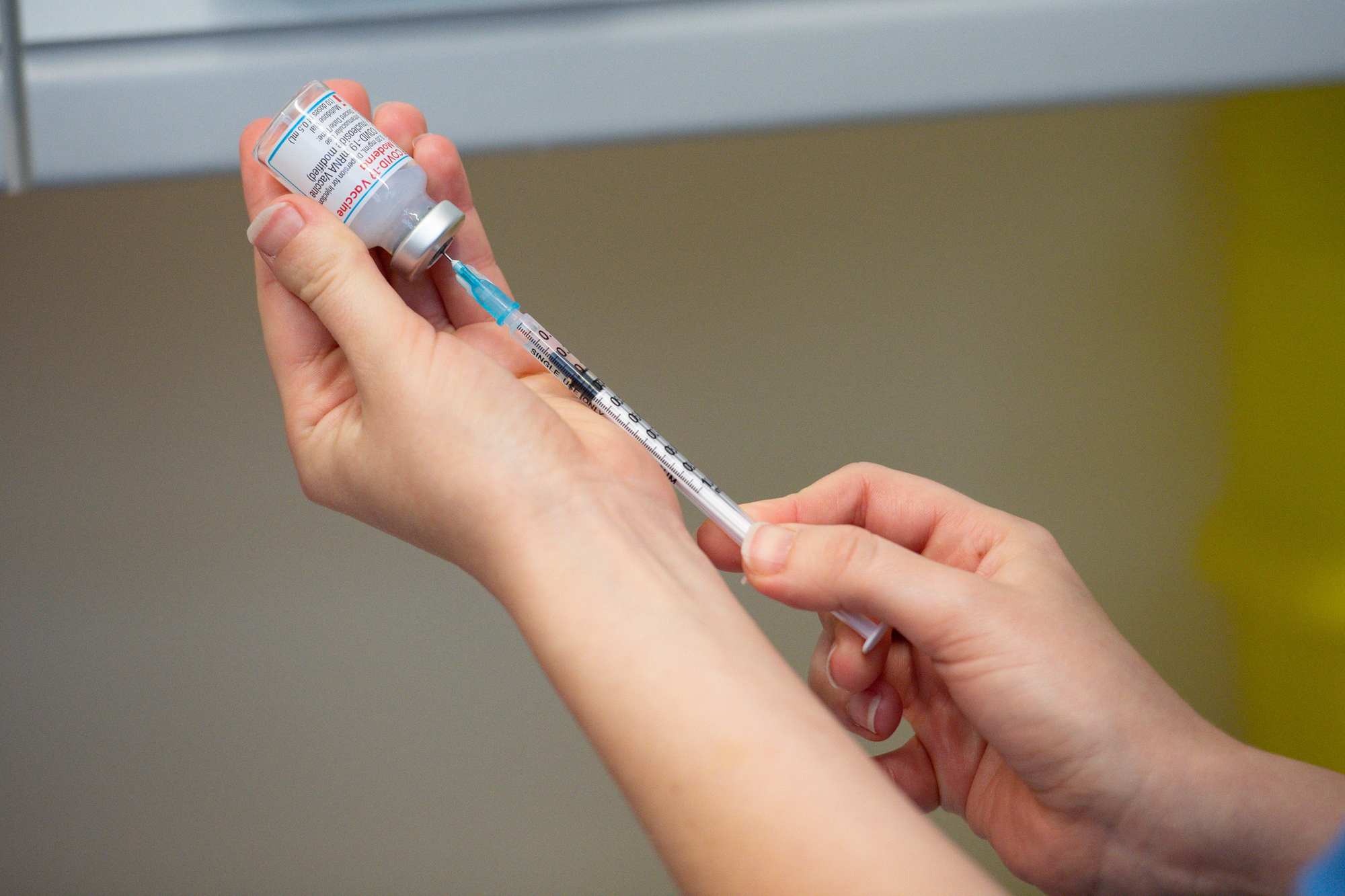
The HSE advises that 'people register for their vaccine when invited to ensure you can be protected from Covid-19 as early as possible'.
This is based on risk vs benefits analysis between benefits from vaccines and Covid-19 risks, which vary hugely between age groups.
Over-70s preferentially receive an mRNA vaccine, either Pfizer/BioNTech or Moderna. But the Astrazeneca vaccine is also approved for all over-50s now, as is the Johnson & Johnson Janssen shot.
The National Immunisation Advisory Committee said on Tuesday: “The benefit/risk ratio of the Vaxzevria and Covid-19 Janssen vaccines is favourable in all ages and very clearly demonstrated in those aged 50 years and older, even when virus circulation is reducing in the community.” They both use adenovirus vector technology.
The only absolute contraindication is anaphylaxis – severe allergic reaction – to a vaccine or its constituents, the HSE said. Vaccinators are trained to treat even severe reactions.
Safety information is regularly updated – including potential risks from rare types of blood clotting combined with low platelets called CVST and SVT with AstraZeneca and Johnson & Johnson jabs.
A history of having ordinary blood clotting does not increase the chances of developing these rare clots, said Dr Niamh O'Connell from the National Coagulation Centre.
It is approved in Europe for all ages. It was used in Ireland for thousands of healthcare workers and group 4 people who have a high or very high risk from Covid-19.
People in this group, including people with Down syndrome and transplant recipients, will get their second dose regardless of age.
By Wednesday afternoon, 301,607 people out of 420,000 people aged between 60 and 69 were registered.
As over-70s were already getting a different vaccine, AstraZeneca is not being given to them. This is a logistical issue and not because it is considered unsafe.
For now, GPs are only using mRNA vaccines from Pfizer/BioNtech and Moderna.
The HSE will answer queries on other vaccines. Phone them at 1850 24 1850 or 01 240 8787 Monday to Saturday. Email: hselive@hse.ie or on Twitter @HSElive
Vaccines are not mandatory.
The HSE advises that “people register for their vaccine when invited to ensure you can be protected from Covid-19 as early as possible”. It is not possible to choose a particular brand. But people who are hesitant can wait and later register for whichever vaccine is approved for their age.
The HSE said: “Vaccination can be made available to them in line with the clinical guidance.” Patient advocate Olive O’Connor said autonomy is built into the system: “I say to people if your doctor says you are medically OK, then take it.”
The flu vaccine is redesigned annually to adapt to new strains of that virus. Trials are already under way to adjust Covid-19 vaccines.
The B117 UK variant is driving the European pandemic and makes up 91% of Irish cases. All four vaccines are effective against this.
These vaccines are effective to varying levels against the P1 Brazilian variant. AstraZeneca is less effective against the B1351 South African variant.
It is not yet known how effective they are against B1617 Indian variant.
CONNECT WITH US TODAY



Be the first to know the latest news and updates