Trauma centres in Cork and Dublin could reduce mortality rates by 30%
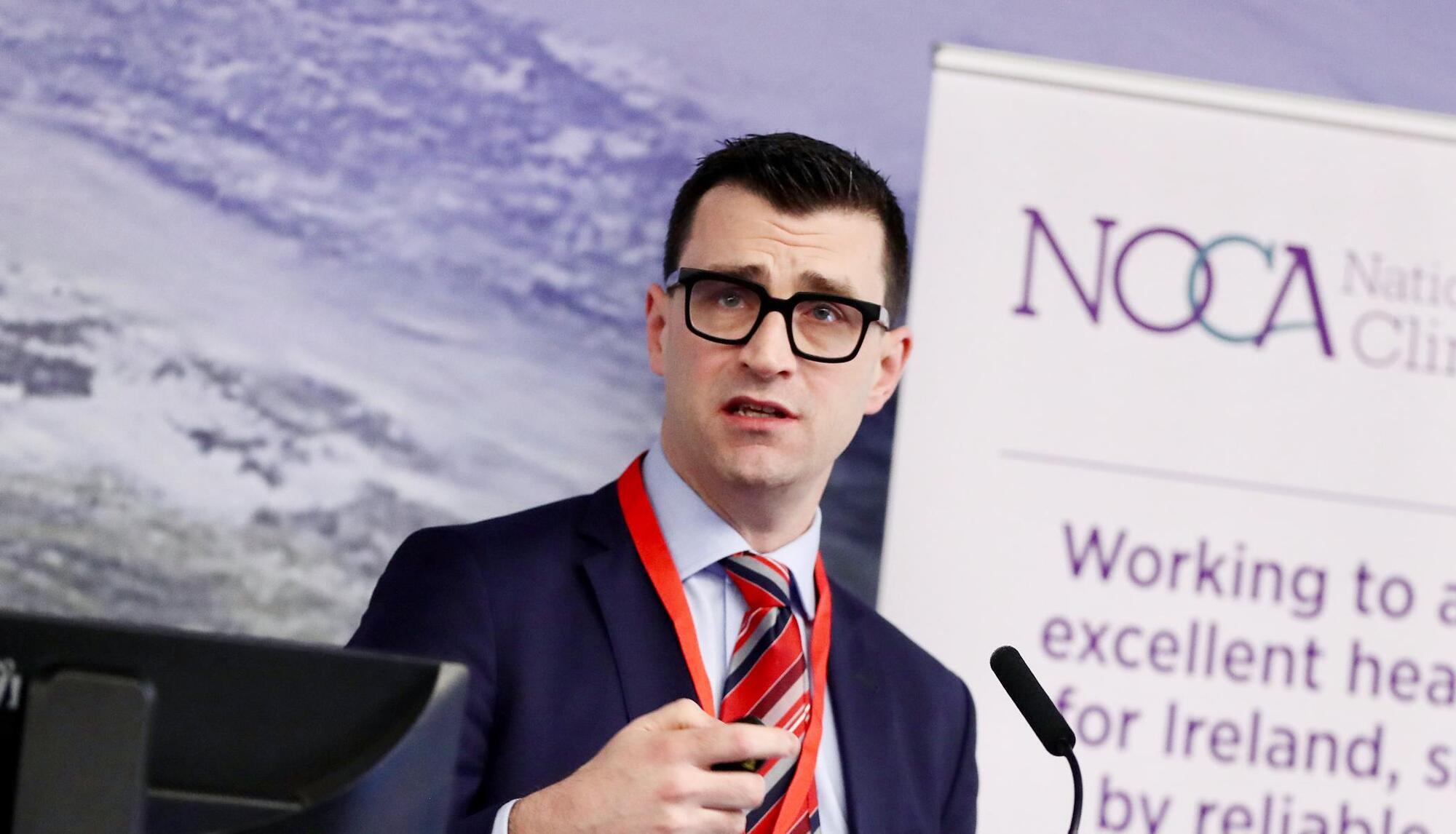
Cork University Hospital consultant in emergency medicine, Professor Conor Deasy, said 'this is great news for Cork'.
The designation of two major trauma centres — in Cork and Dublin — could reduce mortality rates from car crashes and other critical injury situations by as much as 30%, leading medics have said.
Under the new plan, which is set to be fully up and running in six years, the Mater hospital in Dublin and Cork University Hospital will be designated as major trauma centres.
Health chiefs say the €80m plan will streamline the way the service handles severe trauma cases and will require a number of specialist consultants, 50 doctors, and more than 200 nurses.
Both centres could start operating in under two years under a phased roll-in and will provide all major specialist services relevant to trauma care.
Health Minister Stephen Donnelly said major trauma involves complex injuries that have the potential to be life-changing or life-ending, amounting to around 1,600 patients in Ireland every year.
“Studies have consistently shown that severely injured patients are less likely to die if admitted to a major trauma centre than if admitted to other hospitals,” Mr Donnelly said.
Cork University Hospital consultant in emergency medicine, Professor Conor Deasy, said: “This is great news for Cork.
“It acknowledges the complexity of care that is required and the complexity of expertise that is still required to deliver this type of care.
“Hopefully what we will see now is an improvement in outcomes associated with the investment that comes with a major trauma centre designation.
“When they did this in other jurisdictions like in Australia and like in England, they saw a 25% to 30% improvement in the odds of survival.
"Survival is a very crude outcome measure. It doesn't reflect the increased numbers that go back to live independent lives, and the quality of their independent lives.
“But if you look at and think about 25 to 30% as an improvement in the odds of survival that is bigger than what penicillin was.”

CONNECT WITH US TODAY



Be the first to know the latest news and updates