Return to morning commute as we know it will 'ruin productivity' – study
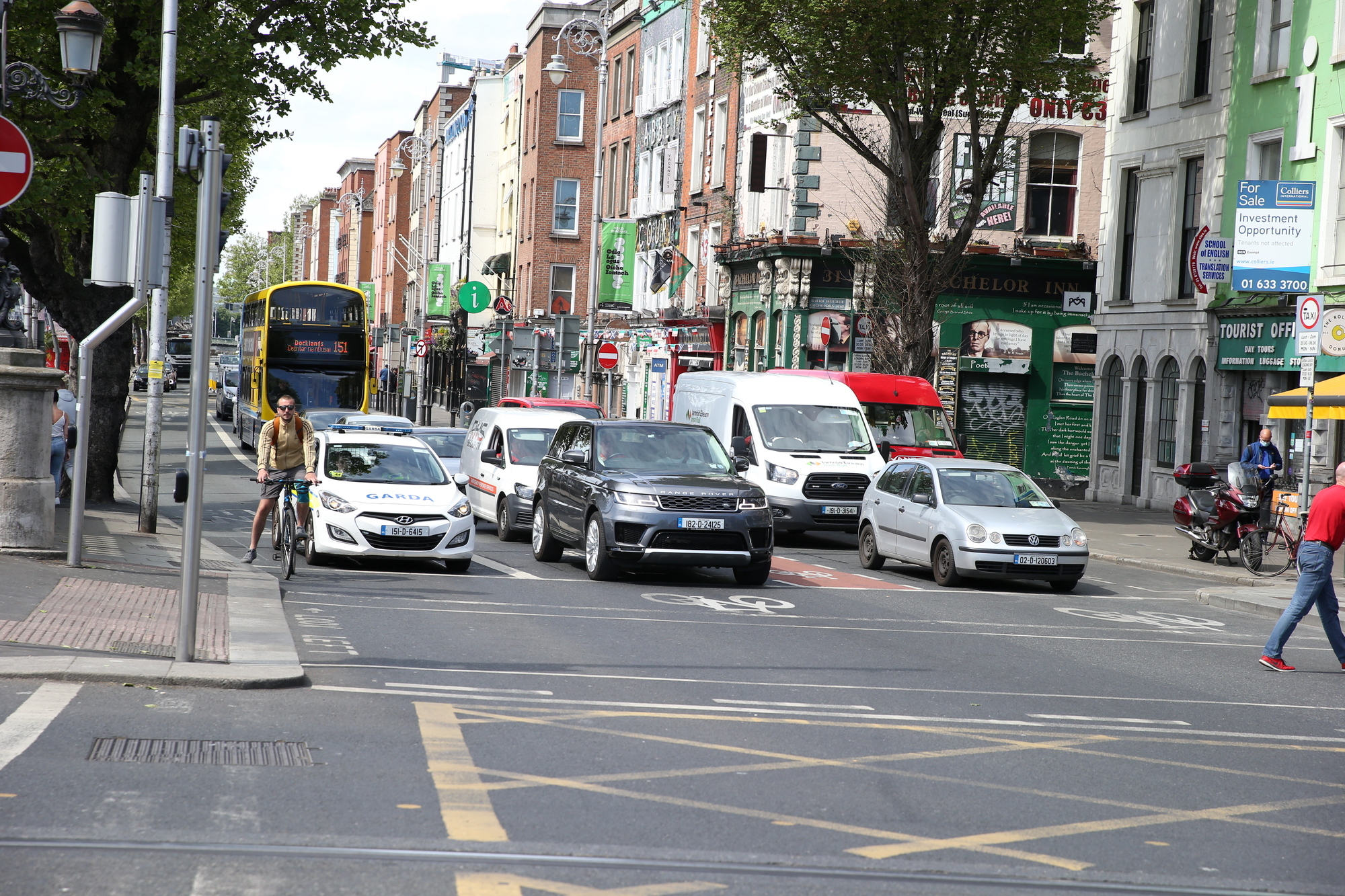
The project recommends that businesses implement more modern and work-design practices to mitigate the productivity lost during the commute. File picture: Stephen Collins/Collins Photos
The return of the morning commute as we know it, once Covid-19 restrictions have eased completely, will "ruin workers’ productivity," according to a new study.
Researchers at Trinity College Dublin Business School say commuting can significantly reduce productivity at work by draining valuable mental energy.
This, in turn, affects people’s ability to properly concentrate on tasks once they have arrived at their place of work.
Research published by Eurofound last year showed commuters in Dublin spend one hour on average travelling to work each day – the fifth longest commute in the European Union.
However, lengthy commutes are not just limited to the capital and the counties surrounding it.
2016 figures from the Central Statistics Office (CSO) show the average commute in Ireland clocks in 28.2 minutes, and has been rising in recent years.
Nearly 200,000 people (199,922) – almost 11% of all commuters – spent an hour or more going to work in 2016, with an average travel time of 74 minutes.
Covid aside, this figure has likely risen in the five years since.
The new research from TCD recommends that businesses implement more modern and clever work-design practices to mitigate the productivity lost during each day's commute.
If possible, researchers say businesses should attempt to prevent interruptions during focused work.
They also recommend the introduction of flexible working arrangements or flexible shift times to help their employees avoid the energy-sapping rush-hour journey to work.
"Because of its regular occurrence, commuting is an automatic habit. However, an unpleasant commute experience like heavy traffic requires employees’ self-regulation to shift toward controlled cognitive processing,” said associate professor in organisational behaviour and project researcher Wladislaw Rivkin.
"Employees may need to adapt daily work plans when arriving later at work or decide during the commute whether to pass on information about potential delays to colleagues.
"In turn, states of controlled cognitive processing deplete regulatory resources and put employees into a resource protection, negatively affecting productivity."
Prof Rivkin says that, though commenting is an unpleasant everyday experience for most people, its implication and effect on daily life within organisations is often overlooked.
"Our research demonstrates that commuting reduces productivity at work through draining mental energy and thus preventing immersive states of flow.
"Leaders should focus on satisfying employees’ fundamental needs by assigning work tasks that enhance employees’ competences and providing employees with decision-making autonomy,” he said.
The TCD research by Wladislaw Rivkin, Fabiola Gerpott and Dana Unger will soon be published in
CONNECT WITH US TODAY



Be the first to know the latest news and updates