Filming of gardaí poses 'threat to their safety'
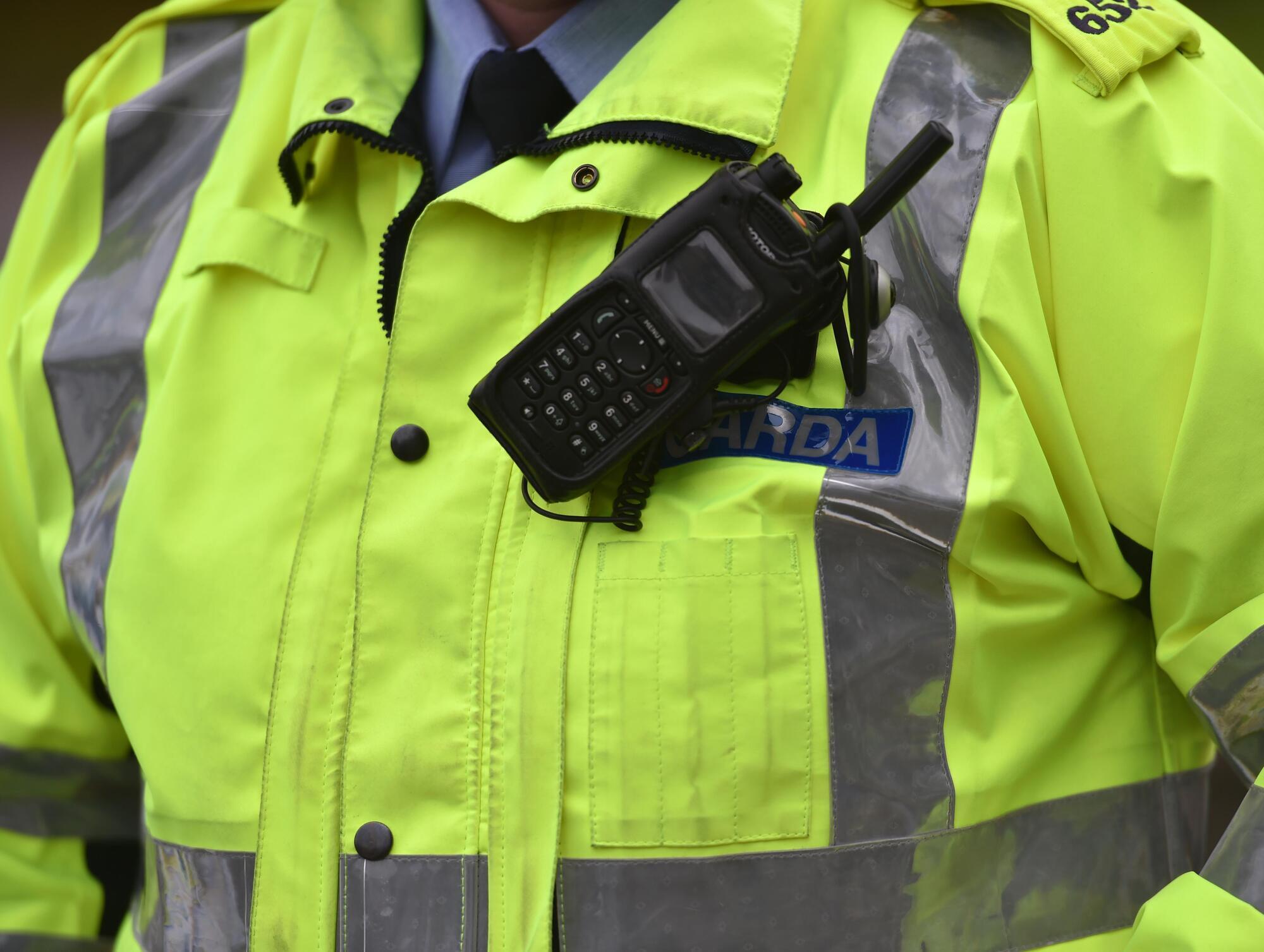
Gardaí have raised concerns about the public turning the camera on them.
The public's filming of gardaí is leading to serious threats to officers' safety as their images and home addresses are being shared online alongside calls for people to attack them.
The call by garda representatives to stop the footage being used to target their members comes at the same time as it has been claimed that plans to allow gardaí to wear cameras while policing could change the relationship between the individual and the State and erode civil liberties.
An outline of the Garda Síochána (Digital Recording) Bill 2021 is to be introduced to Cabinet today by Justice Minister Helen McEntee.
The bill would allow:
- Gardaí to wear body cameras and use other recording devices such as drones in certain circumstances;
- Mobile CCTV and automatic number plate recognition (ANPR) cameras to be fitted to Garda vehicles.
The Irish Council for Civil Liberties (ICCL) has said research in America suggests that a body-worn camera may be of questionable use in policing and cannot be justified as it is an intrusive and expensive technology.
Garda representatives say the technology could protect both the public and gardaí, encourage better behaviour, and dispel spurious claims against members quickly with video evidence.
They also say video evidence could prove so compelling that more guilty pleas could be made faster, speeding up trials and unclogging the courts.
The recent prosecution of police officer Derek Chauvin for the murder of George Floyd in Minneapolis has highlighted the persuasive nature of video evidence in criminal prosecutions.
However, gardaí have now raised concerns about the public turning the camera on them.
The threat of cameras is a real concern for officers who have had their images and home addresses shared online, with people then urged to attack them, said Garda Representative Association vice president Brendan O’Connor.
“That is a phenomenon that needs to be addressed," said Mr O'Connor.
Mr O’Connor welcomed the development that body-worn cameras may be made available to gardaí under the proposed digital recordings legislation, which is unlikely to take effect before next year.
“Our experience from talking to police services where they are used is that they have enhanced policing, creating a safer environment for all officers.
"They also have contributed to successful prosecutions, particularly cases of domestic violence where perhaps a witness or injured party does not have the confidence to give evidence or make a statement. But the camera captures the aftermath and the devastation that occurs in the immediate aftermath of the incident.
“It will enhance the evidence that gardaí can give and it will help inform judges and juries in their decision making. They will have a bird's eye view of the matter before them."
ICCL executive director Liam Herrick said although there is “a desperate need” for legislation in this area, introducing body-worn cameras for gardaí is a concern.
“The principle of having one strong legislative framework for police surveillance is a very positive one,” said Mr Herrick.
“You could be changing the relationship between the police and the public, particularly by giving the police more power, more capacity to surveil people, and the risks that come with that in terms of inappropriate surveillance.
“Is it going to act as a deterrent to members of the public in terms of taking part in protests and demonstrations and so on, in the knowledge that they’re more likely to be filmed?
"That chilling effect on civil participation is something that has been seen in other countries.”
He said while ANPR can be used to solve crimes, it can also be used to track members of the public.
"It’s a very complex picture, and legislation that will be introduced here will need to be very flexible to adapt with technology as well."

CONNECT WITH US TODAY



Be the first to know the latest news and updates