Vaccine boosters likely to be needed by next year – immunologist
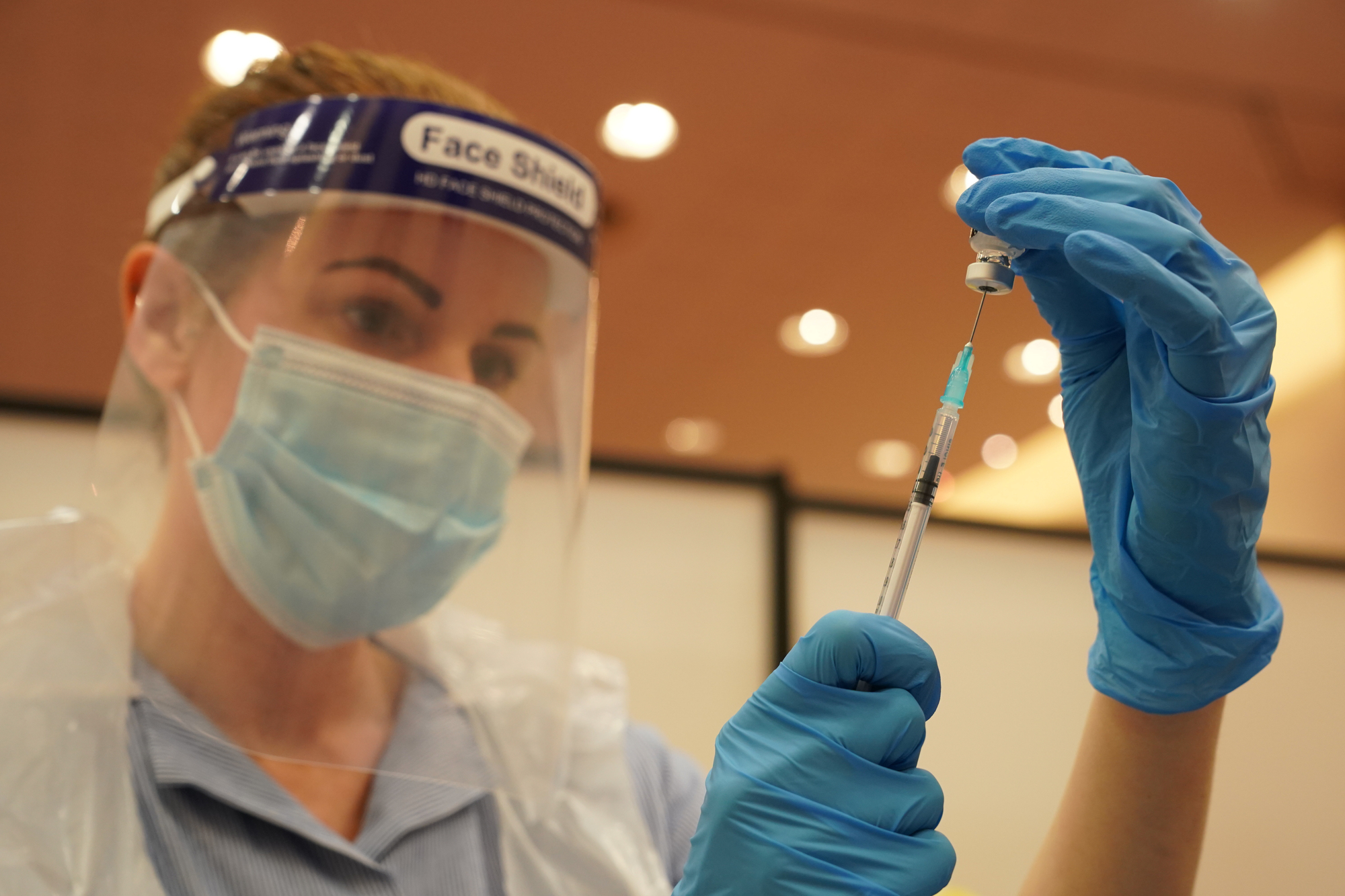
PfizerBioNTech, currently the most commonly used vaccine in Ireland, has started a trial to see if a third dose could be given as a booster six to 12 months after a first vaccination.
Vaccine boosters are likely to be needed by next year, a Limerick-based immunologist has predicted.
However, Dr Elizabeth Ryan, lecturer at the University of Limerick, said that while the virus may continue mutating, she is confident in vaccines being developed by manufacturers can combat that.
“There is ongoing research to see what boosters we will need and on next-generation vaccines with slightly different formulations to cater for new variants,” she said.
Trials have already shown six-month immunity for the vaccines we have, she said.
Dr Ryan also predicted that, as with the flu vaccine, boosters could target vulnerable people.
“The beauty of some of the newer vaccine technology is that it is easier to change the sequences. It shouldn’t be too difficult to update the next-generation vaccines [if needed],” she said.
Ireland is now genome sequencing at least 15% of positive Covid-19 tests, up from 1% last year.
“It is really important the on-going surveillance continues to keep an eye on the strains as to what is circulating, and so we are sure the vaccines cover us for those strains,” Dr Ryan said.
PfizerBioNTech, currently the most commonly used vaccine in Ireland, has started a trial to see if a third dose could be given as a booster six to 12 months after a first vaccination.
Moderna is already running trials on a “next-generation” vaccine tested as a booster or as a main vaccine. It is also testing a vaccine to target the variant B1351 identified in South Africa.
Both companies are running trials on children's vaccinations.
Dr Ryan said: “Variants can emerge anywhere once there is virus around non-vaccinated people.
Data to confirm whether vaccines fully prevent transmission could take a year from the start of vaccinations, she said. The first coronavirus vaccine in the world was given on December 8.
And in the meantime, Dr Ryan said: “It’s too soon to completely let our guard down. This is an important phase. It is a battle to get vaccines in everyone before the virus mutates.”
Vaccination studies published in the last few weeks in the UK, Israel and America show extremely high protection rates.
An English study of more than 10,000 nursing home residents found Pfizer and AstraZeneca vaccines prevented 62% of infections five weeks after a first dose.
“Vaccination reduces the total number of people who get infected,” said Dr Laura Shallcross at University College London's Institute of Health Informatics.
“And analysis of lab samples suggests that care home residents who are infected after having the vaccine may also be less likely to transmit the virus.”
The Israeli health ministry working with Pfizer said: “Vaccine effectiveness was at least 97% against symptomatic COVID-19 cases, hospitalisations, severe and critical hospitalisations, and deaths… [and] found a vaccine effectiveness of 94% against asymptomatic SARS-CoV-2 infections.”
The Centres for Disease Protection and Surveillance looked at Pfizer-BioNTech and Moderna and found “following the second dose of vaccine, risk of infection was reduced by 90% two or more weeks after vaccination.”

CONNECT WITH US TODAY



Be the first to know the latest news and updates