Immunologist: Vaccine glitches unsurprising given gaps in the health system
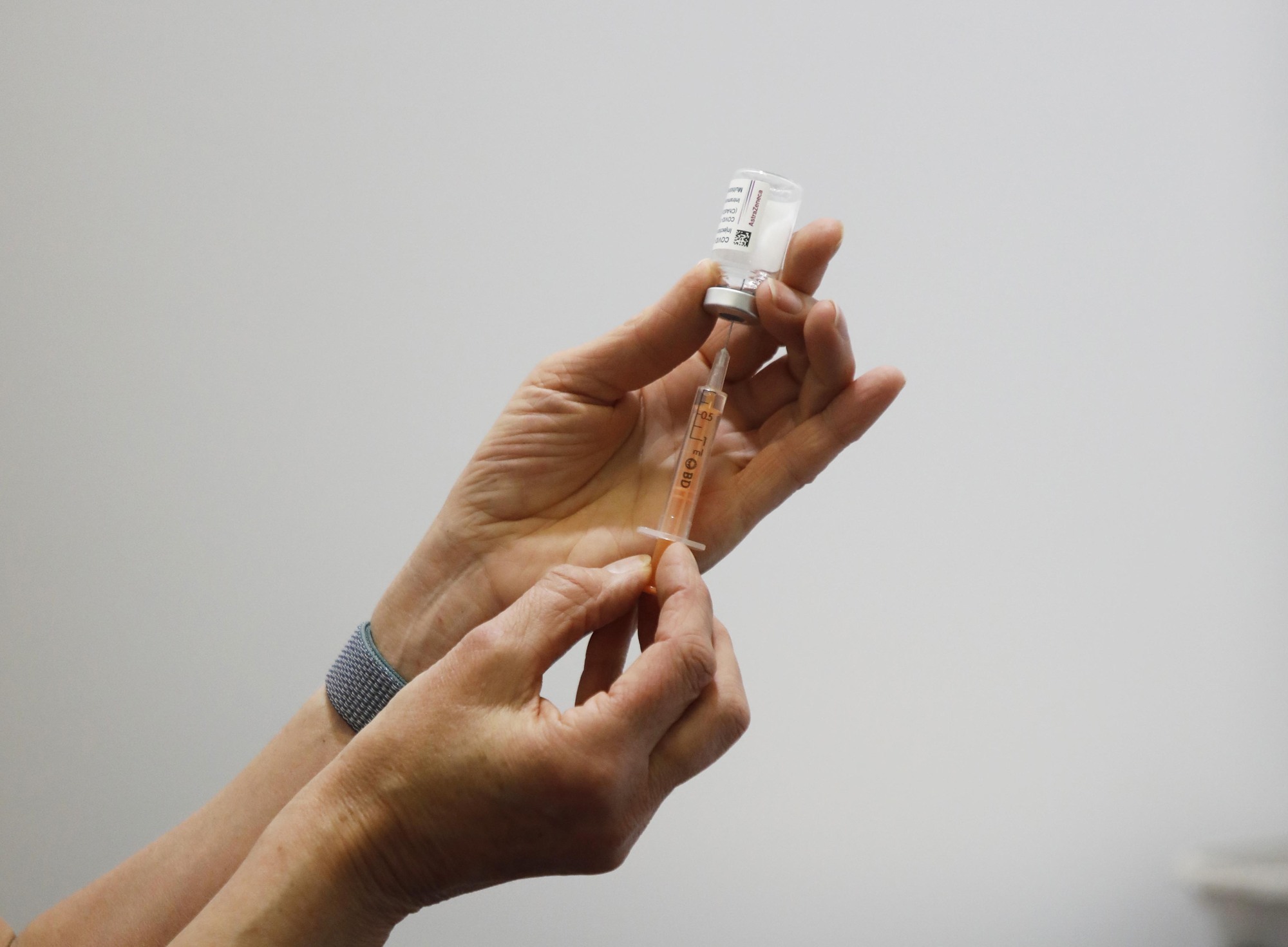
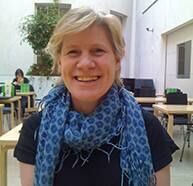
People getting double-booked for vaccinations and delays in contacting vulnerable patients come from gaps which could have been addressed before Covid-19, according to Prof Cliona O'Farrelly. Picture: Leon Farrell/Photocall Ireland
Glitches in the vaccine rollout were to be expected given all the issues which existed in the health service before the pandemic struck, a leading immunologist has said.
People getting double-booked for vaccinations and delays in contacting vulnerable patients come from gaps which could have been addressed before Covid-19, according to Cliona O'Farrelly, professor of comparative immunology at Trinity College Dublin.
“We don’t have an individual health identifier," she said. "If we had agreed to that, this [rollout] would be totally different. The way of contacting the vulnerable is just so haphazard because we have no disease registries.
"Now that we have realised how short-sighted we have been, let’s change that now.”
Last November, Prof O’Farrelly also raised concerns about how many doses pharmaceutical companies could deliver and how that would affect the process.
Now, she has told the she believes what has been achieved by people has been extraordinary given the infrastructural deficits.
In recent weeks, the slow pace of the rollout to vulnerable people on group 4 of the vaccine priority list has been criticised. It has proved extremely difficult to identify these patients and the Irish Medical Organisation is now working with the HSE, hospitals and GPs to tackle this problem.
But Prof O’ Farrelly said if patients had a single number to identify them to healthcare providers, this would have helped. The legal basis for this was set out in the Health Identifiers Bill 2013.
But despite a lot of progress on some issues in that bill, the identifiers system has run into obstacles.
“I know what makes people hesitant; they are concerned about privacy issues," Prof O’Farrelly said.
She pointed to Denmark as an example of where technology boosted the vaccine rollout. An online portal ‘sundhed.dk’ allows patient data to be shared among registered healthcare workers.
Disease registries listing patients with illnesses are used in the UK, where they are called patient registries.
Prof O’Farrelly said it is not known how many people fall into the vulnerable categories for vaccination in Ireland.
In February, for example, it was estimated there were 160,000 people in group 4. This has now swelled to 250,000 following investigation.
“Where the disease registries would have helped is in planning health services,” she said.
Looking beyond the Irish rollout, Prof O’Farrelly strongly agrees with calls from the World Health Organisation to share vaccines with less developed countries.
“Nobody is safe until everybody is safe,” she said.
“How are we going to make sure that everywhere across the globe gets access to vaccines? It is a huge challenge, but we can work on it.”
She supports the TRIPS Covid-19 Waiver which calls on pharmaceutical companies to temporarily waive patent rights on vaccines and other Covid-19 products.
“We need to build up a head of steam in Europe for that. Ireland is a tiny country but we have influence,” she said.

CONNECT WITH US TODAY



Be the first to know the latest news and updates