One in 10 women quit jobs over pressure of juggling work and pandemic home life
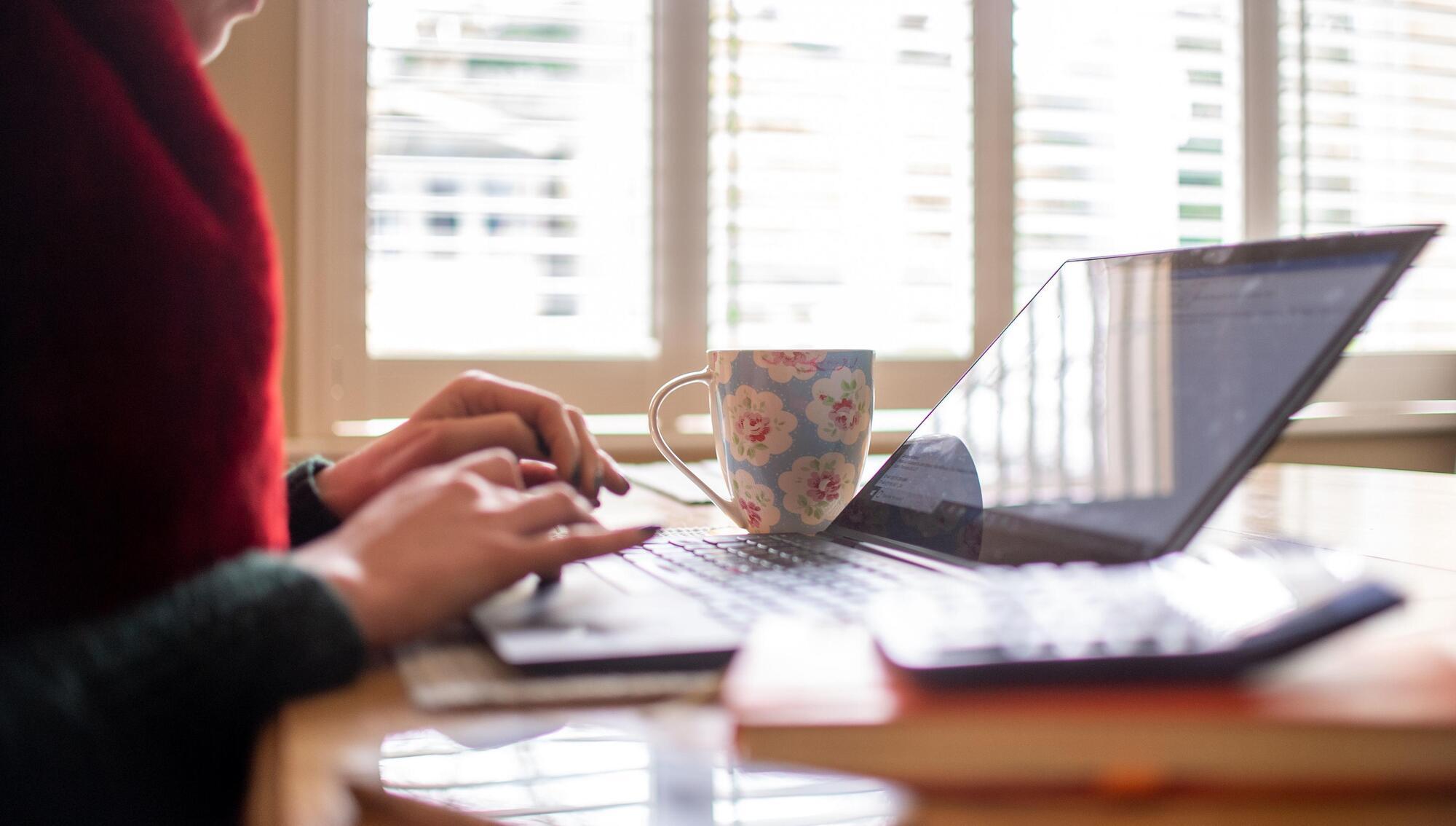
The National Women's Council of Ireland has claimed that the stresses of the past year had widened inequality at home and the workplace.
One in 10 women have already quit jobs because of the pressures of juggling work and pandemic home life, raising concerns that many will face years out of paid employment.
A fifth of women have felt under pressure to quit their jobs during the pandemic, with the National Women's Council of Ireland claiming the stresses of the past year had widened inequality at home and the workplace.
Research findings from Maynooth University, covering the current lockdown period, also found that in almost two-thirds of families, the mother took full responsibility for homeschooling.
Combined with, in some cases, pressure from employers, the study found the larger the family, the more stressful the domestic environment was likely to be, with mothers bearing the brunt of it.
It found that:
- 20% of mothers said they felt pressure to leave their job due to home-schooling versus 5% of fathers;
- When asked the question "Have you left your job due to home-schooling", 10% of mothers had done so;
- 65% of families report the mother is taking full responsibility for homeschooling, versus 5% where the father is and 23% where both parents share the responsibility;
- 71% of fathers are confident with their partner's ability to support their children to homeschool, whereas only 37% of mothers feel the same way.
Dr Katriona O'Sullivan, lead researcher on the project, said of the 10% of women who had already left their employment, it was not because the job had been sidelined because of the economic impact of the pandemic but rather because the mother felt unable to continue to work and homeschool.
"It is amplifying the pressure on women not to continue in the workforce – it is real for women," she said, adding that there could be "long-term consequences to the health of the family".
She said her own view was that, if schools needed to close again, it would be better to end the school term early because "the cost to the family unit is much bigger than missing two months of trying to homeschool".
The deputy governor of the Central Bank, Sharon Donnery, said this week that the job prospects of the women have been particularly affected by the pandemic.
She said it was "imperative" that any changes in how people work would not further damage women’s long-run labour market outcomes.
Orla O'Connor, director of the National Women's Council of Ireland (NWCI), said the research reflected the contacts it had received from women over the course of the pandemic, and particularly over the past six months.
"It really shows what women have been talking to us regarding the stress they have been under, they are really at the end of their tether, with homeschooling and working from home, and the huge difficulties lone parents have faced," Ms O'Connor said.
She said the NWCI was particularly concerned about the "build-up of pressure" over the past year, led by concerns that it will affect women's participation in paid employment.
Ms O'Connor said a second major concern was while there had been advances in recent years in the sharing of caring duties in the home, the research showed it was still unequal.
"The pandemic has really exposed it – when schools shut women did the homeschooling and more of the caring," she said.
"We need a radical shift in our society," she said, adding that a debate on this issue needed to be front-and-centre in any referendum on Article 41.2 of the Constitution regarding women's place in the home.
The Maynooth University research involved a survey of 438 parents – including 306 women – and in-depth qualitative interviews with another 25 families.

CONNECT WITH US TODAY



Be the first to know the latest news and updates