Fully reopening schools after Easter could lead to Covid-19 surge – UCC scientist
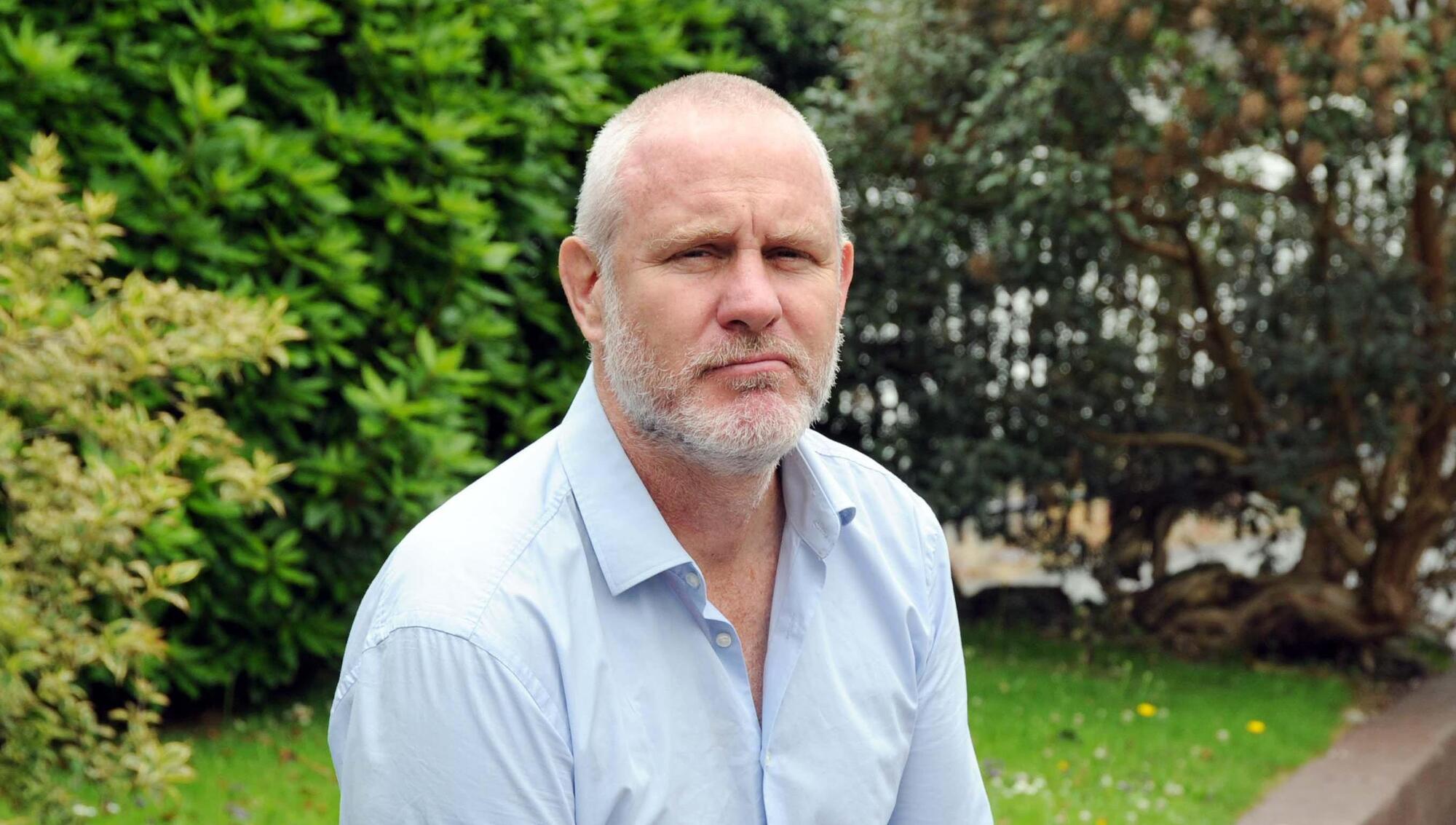
UCC scientist Gerry Killeen published a summary of international research papers showing that closing schools had helped to reduce viral spread. Picture: Denis Minihane
There is a real risk that Covid-19 infection rates could surge in the coming weeks after Easter and the full reopening of schools, UCC scientist Gerry Killeen has warned.
The epidemiologist has issued a stark warning that viral transmission rates could rise by between 20%-40% because of the more infectious nature of the UK B117 variant.
This week Mr Killeen published a summary of international research papers showing that closing schools had helped to reduce viral spread and which also looked at how schools could be reopened.
One analysis published in February in the Science journal found that closing schools and universities in 41 countries was “highly effective” at reducing transmission.
Another UK study published in March in the British Medical Journal highlighted a greater risk of contracting Covid-19 among 12 million adults living with children.
The increased rate of hospitalisation due to B117, combined with a stalling in the number of new daily cases and plans to fully reopen schools, was of concern, he said.
“Can we afford to reopen schools where we are right now? I would say no,” Mr Killeen said.
“There is no good reason to believe that it won’t put us back into exponential growth. There’s no logical reason; it doesn’t add up.”
The UCC scientist also stands by comments made over the weekend that one in 30 or around 3% of children who contracted the virus ended up in hospital but noted that these figures related only to children up to the age of four.
In other age groups, the figure was closer to one in 70 for 5-12 year-olds and one in 50 for 13-18 year-olds, according to figures calculated by the Independent Scientific Advocacy Group (ISAG), of which he is a member.
The ISAG calculations are based on official data published by the Health Protection Surveillance Centre (HPSC) and looked at the percentage of children hospitalised out of all children testing positive, both before and after the B117 variant emerged.
“The change in pattern is enough to make you stop and think,” Mr Killeen said, adding that his family had yet to decide on whether their children would return to school after Easter.
Official figures show that over the past year, 22,719 children tested positive for Covid-19 with 288 children requiring hospital treatment to date and that hospitalisations increased in children and all age groups since the B117 variant took hold.
The HPSC confirmed that between March 12-25, a dozen children aged 13-18 years were hospitalised representing 3.3% of all hospitalisations, and 10 children aged 5-12 years were hospitalised representing 3% of all hospital cases. The HPSC said it would review how its data is displayed to improve clarity and understanding.
Given that infection rates are “tipping upwards”, Mr Killeen believes the country could already be in the midst of a fourth Covid-19 wave.
“Easter is coming up and we’re planning to fully reopen schools. I would suspect that we’re already in it or we are about to hit the iceberg”.
While glad that the National Public Health Emergency Team (Nphet) was adopting a “conservative” and cautious approach to relaxing restrictions, he said a more aggressive suppression strategy is needed.
The public health response, he said, could be tightened up further by closing non-essential workplaces, addressing ventilation in buildings, rolling out more walk-in Covid-19 test centres, and resourcing public health doctors and departments.


CONNECT WITH US TODAY



Be the first to know the latest news and updates