Q&A: No plain sailing in hotel quarantine
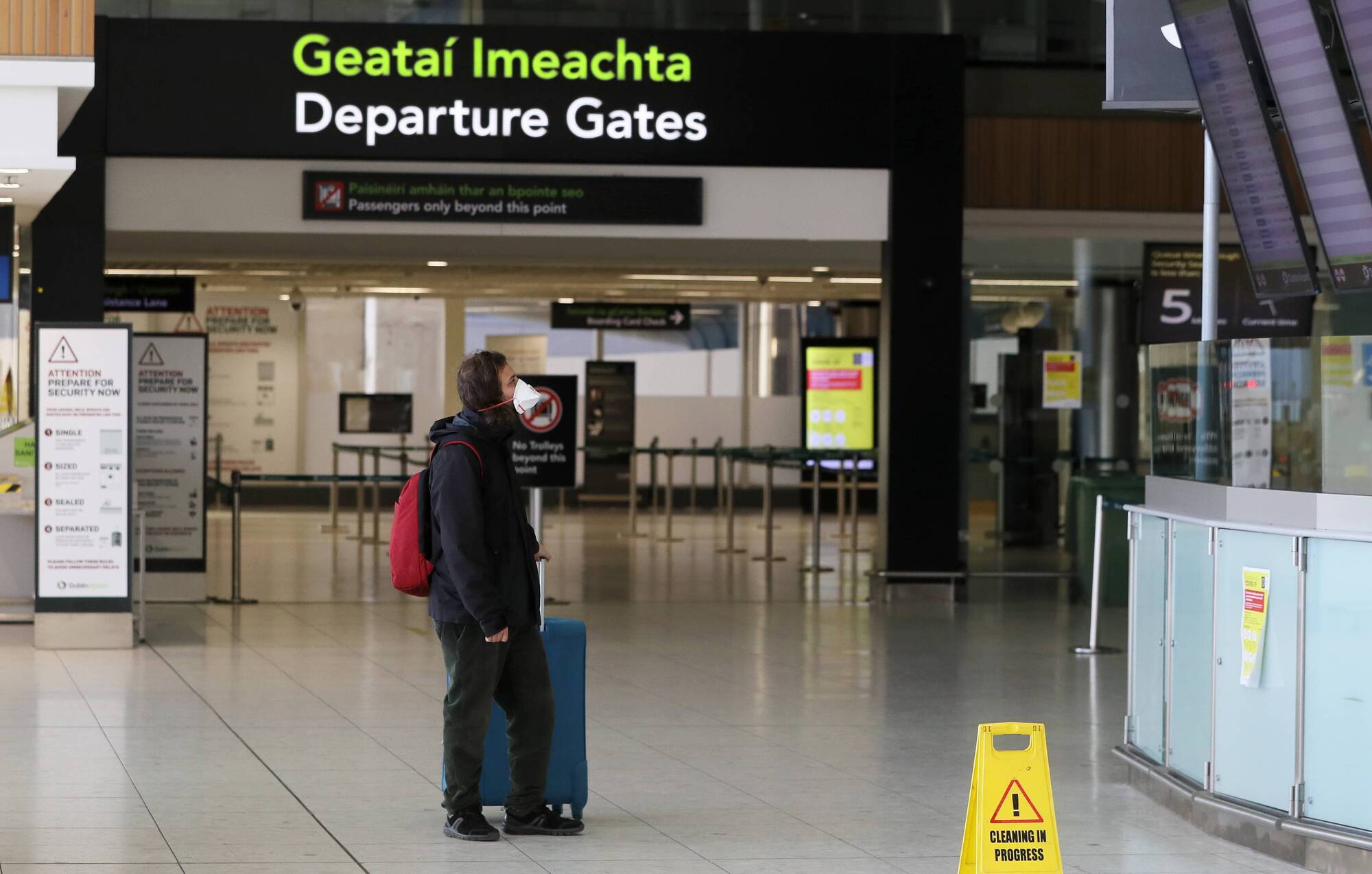
People whose journeys originate or transit through any country designated as a Covid hotspot or site of a variant of concern – such as the P7 variant which is prevalent in Brazil – will have to undergo at least 10 days' quarantine. Picture: Brian Lawless
With the launch of the website for booking, mandatory hotel quarantine will become active for arrivals into Ireland from listed countries from 4am on Friday.
Here is what we know so far about how the system will work.
People whose journeys originate or transit through any country designated as a Covid hotspot or site of a variant of concern – such as the P7 variant which is prevalent in Brazil – will have to undergo at least 10 days' quarantine.
This includes anyone who has been in a listed country in the last 14 days – even if you stayed in the airport. People who arrive into the country without a PCR test will be confined to their room until they get a negative result under the new hotel quarantine system.
The Tifco hotel group has been contracted by the State to provide what is being called a "one-stop shop to run the whole thing". This will include booking, transport, security, food and lodging. The traveller pays for their stay by booking on https://www.quarantinehotelsireland.ie/
According to the website, the €1,875 cost "includes overnight accommodation for 12 nights, Breakfast, Lunch and Dinner. Rate also includes transfer from Airport/Port to hotel and security. You will also be provided with 2 tests for Covid-19, free of charge”.
It is an additional €625 for an adult to share the room, while children aged four to 12 are €360 and younger children are free.
When a plane lands in Dublin, Cork or Shannon, any passenger who does not need to quarantine will be asked to deplane, with those quarantining staying on board. Health Minister Stephen Donnelly said that at this point, customs officers will take over. Mr Donnelly said passengers will be escorted from the plane through the airport.
"The passengers will then be brought on a bus to the hotel. They're brought in, they get the welcome packs, they get brought through health questionnaires and so forth and then they're brought to the rooms and essentially that is the start for most people. They have a stay somewhere between 10 and 12 days," he said.
Once in the terminal, they will be handed over to Defence Forces staff.
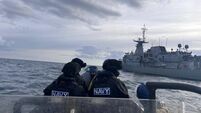
Mr Donnelly said the Defence Forces have been asked to act as the "full-time on-site representative of the State" and will be involved in making sure the end-to-end process involving State agencies and the hotel runs smoothly.
"So, for example, in transport, they won't be on the bus, but they will be escorting the buses," he said. The buses will be driven by Tifco staff or contractors.
According to the Government's guidance, it will vary from facility to facility, but largely it will not be fun.
"Designated fresh air breaks will be accommodated at the hotel. A designated safe and secure space for fresh air breaks will be available at the hotel. These breaks should be booked in advance. The hotel will endeavour to accommodate guests at their preferred time.
"At the requested time, a security person will knock on the guest's door and escort them to the designated area. All outdoor areas are monitored. Security will escort guests back to their bedroom after their break.
"In order to protect other guests and the hotel team, a fresh air break will only be permitted after you have received a negative Day 0 PCR test."
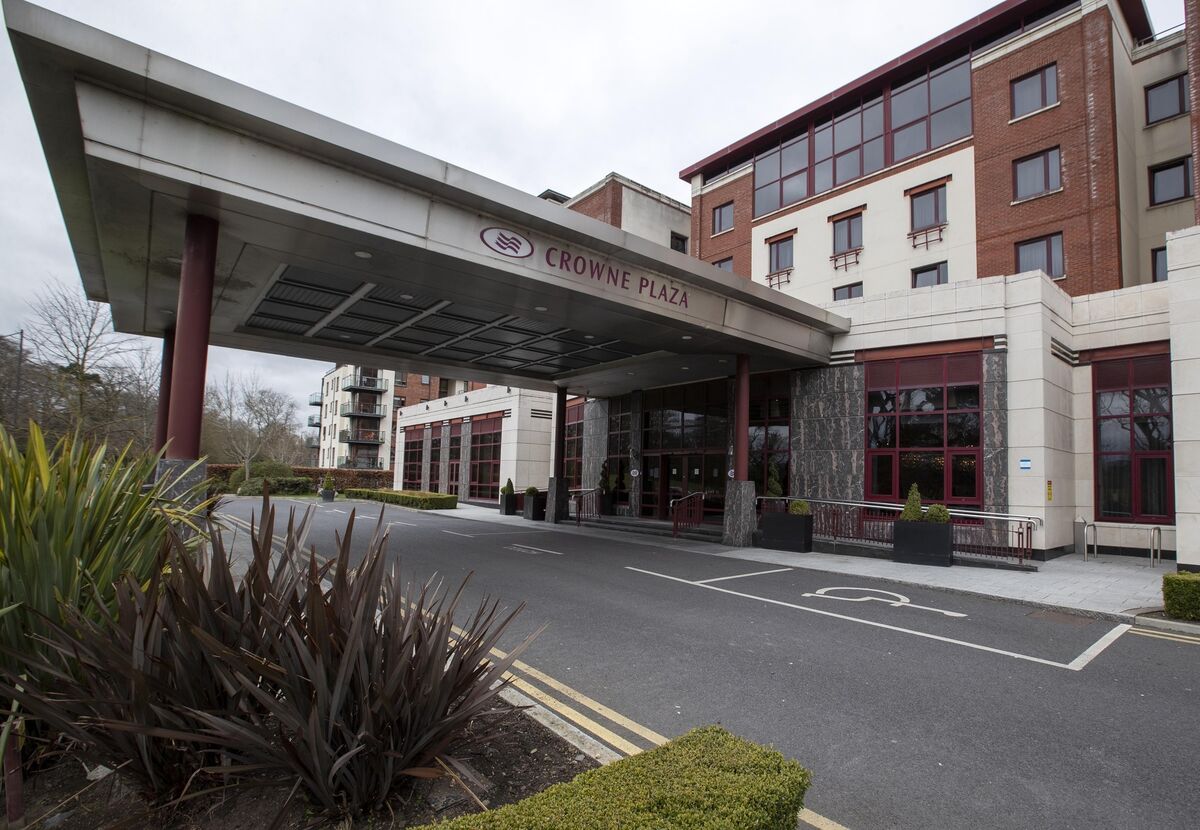
Guests will have three meals a day, delivered from a "comprehensive" in-room menu and will have TVs and free wifi, but they will not have the key to their own room.
While private security and Defence Forces staff will be on site, they will not have powers of detention or arrest. The Defence Forces will not be armed and will act as the State's liaison officers. The system will use what have been called "small teams" of Defence Forces staff. The Defence Forces will be the day-to-day State agency overseeing the operation of the quarantine.
If a person leaves the facility, gardaí will be called and the person "in most cases" returned to the hotel before being processed by the courts.
Those who do not obey the law will be fined €2,000 and/or imprisoned for up to a month. Those who test positive for Covid while in a hotel will have to stay for an additional 10 days.
Mr Donnelly has said that any Irish resident who needs to come home from a category 2 country and cannot afford a stay in the hotels should contact their consulate or embassy and arrange for an exemption.
Essential workers, from medical staff to those on essential work will not have to quarantine. So too will those who are travelling to the State for "unavoidable, imperative and time-sensitive medical reasons".
CONNECT WITH US TODAY



Be the first to know the latest news and updates