Public Health officials awaiting evidence on AstraZeneca blood clot concerns
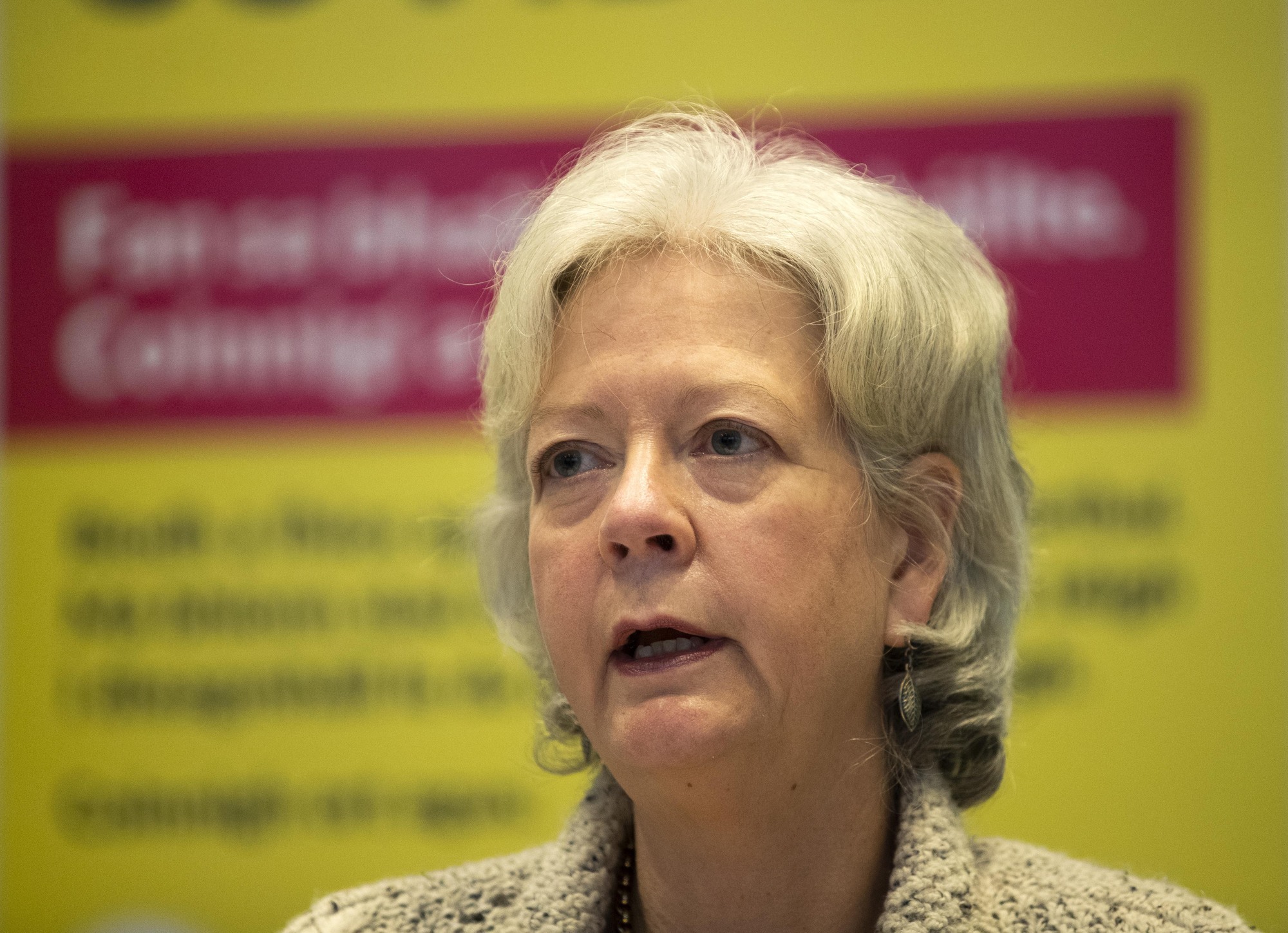
Chair of the National Immunisation Advisory Committee, Professor Karina Butler. Picture: Colin Keegan, Collins Dublin
Use of the AstraZeneca Covid-19 vaccine here will only resume once public health officials are satisfied that the blood-clotting issues surrounding it are coincidental.
Speaking at this evening’s public health briefing, Chair of the National Immunisation Advisory Committee, Professor Karina Butler said that all vaccines authorised for use in Ireland were "proven to be very effective against severe Covid-19 disease."
Ireland has joined several other European countries in suspending use of the Oxford/AstraZeneca coronavirus vaccine as a precautionary measure, amid reports that some people developed blood clots after receiving the shot.
Prof Butler said that the safety of vaccines was underpinned by ongoing monitoring by the NIAC, the Health Products Regulatory Authority (HPRA) and the European Medicines Agency (EMA).
She said that the HPRA would keep NIAC fully informed as the EMA investigation progresses and that any updated guidance would then be issued to the public.
The EMA is expected to complete a safety review of the AstraZeneca vaccine later this week.
Prof Butler was speaking as 575 new cases of the virus were confirmed by Health Protection Surveillance Centre (HPSC) officials tonight.
No new Covid-19-related deaths were reported.
The total number of Covid-19-related deaths reported in Ireland remains 4,535 while the total number of cases confirmed here since the pandemic began is now 227,316.
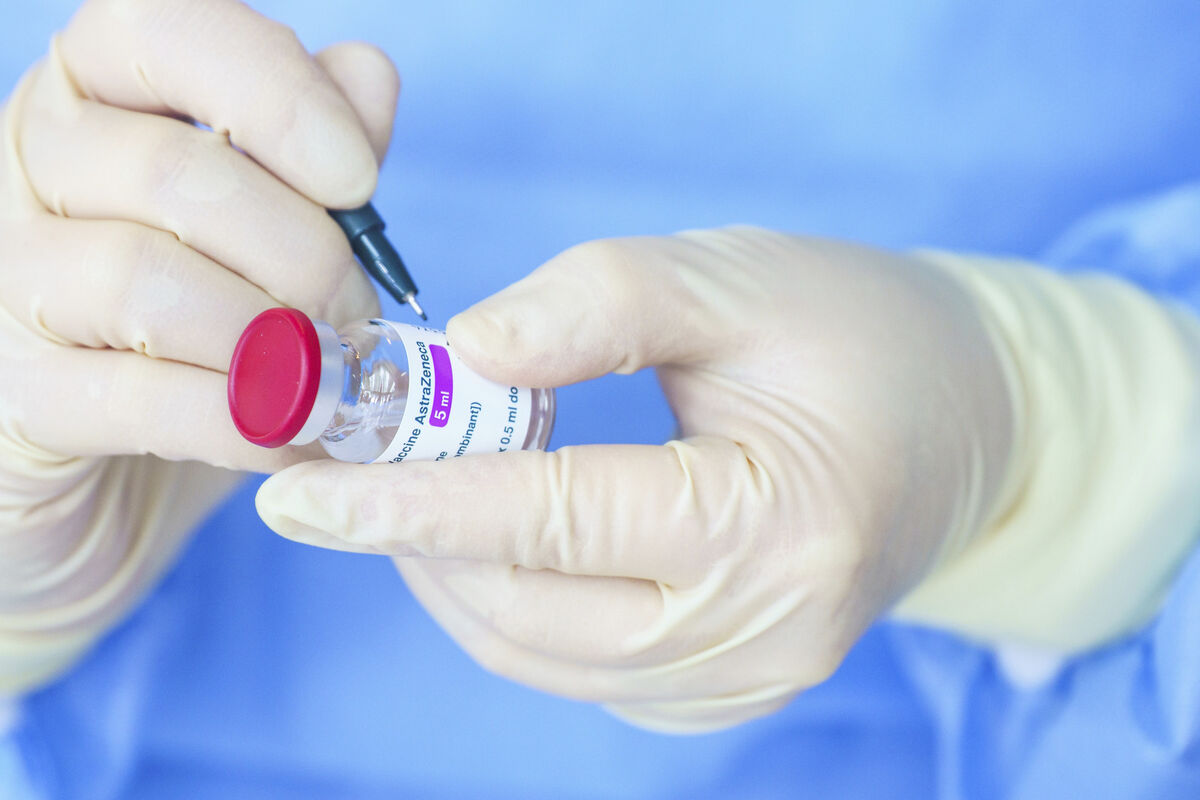
Commenting on the status of the AstraZeneca vaccine, Member of the National Covid-19 GP Liaison Committee Dr Ray Walley said that every medication, including every vaccine, comes with side effects.
"Our role as clinicians is to weigh up the benefits and risks of medications," he said.
Dr Walley said the temporary deferral of use of the AstraZeneca was "necessary in order to give the assurance that we’re taking notice if there are any safety signals at all."
"I hope people take comfort from this cautious approach,” he said.
As of March 12, 606,904 doses of the Covid-19 vaccine had been administered in Ireland.
443,092 people have received their first dose, and 163,812 people have received their second dose and are fully vaccinated.

Deputy Chief Medical Officer, Dr Ronan Glynn said that focus on the vaccine programme over recent days was "understandable" but urged the public "not lose sight of the danger that Covid-19 continues to pose."
The Deputy CMO said that vaccines would, in time, have a very significant positive impact on Covid-19.
"However, they will not stop a further wave of disease over the coming weeks," he said.
Dr Glynn said that many other European countries were now experiencing pressure on their hospital and critical care capacities.
"We must not let this happen here,” he said.
"Together, we have done an extraordinary job of driving down the incidence of disease.
"If we can return to decreasing indicators of disease, we can continue to protect our loved ones and look forward to much brighter days ahead," he added.
- 289 are men;
- 282 are women;
- 73% are under 45 years of age;
- The median age is 30 years old;
- 232 are located in Dublin;
- 48 are in Meath;
- 41 are in Tipperary;
- 38 are in Kildare;
- 30 are in Galway;
- and the remaining 186 cases are spread across 20 other counties
As of 8am this morning, 360 patients were hospitalised with Covid-19 – 85 of whom were in intensive care.
An additional 25 hospitalisations have been recorded in the past 24 hours.
The national 14-day incidence rate of the virus is now 148.3 per 100,000 population.
The seven-day incidence rate is 77.3, and the five-day moving average is 548.

CONNECT WITH US TODAY



Be the first to know the latest news and updates