AstraZeneca suspension: We have to act on safety signals, says Glynn

Dr Ronan Glynn said the NIAC felt there was no other choice but to suspend the rollout of the AstraZeneca vaccine considering the category of people due to receive those vaccines this week.
Deputy Chief Medical Officer (CMO) Dr Ronan Glynn said the National Immunisation Advisory Committee (NIAC) are acting in the best interest of the most vulnerable by pausing the rollout of AstraZeneca vaccines.
Dr Glynn said “everything changed” once public health officials got a notification from the Norwegian Medicines Agency that four new cases of serious blood clotting events in adults occurred in younger people who received the Covid-19 AstraZeneca vaccine.
“I must reiterate, there have been no reports of similar events in this country here to date,” he said, “however, we have to act on safety signals. So hopefully as this week goes on we'll get more reassuring data from the European Medicines Agency (EMA) and we can recommence the programme."
Speaking on RTÉ Radio One’s This Week, Dr Glynn said that what was particularly striking is that these clots were occurring in younger people.
“Of particular concern are specifically clots in the brain of younger people in their 30s, 40s - that’s unusual,” he said
Dr Glynn said the NIAC felt there was no other choice but to temporarily suspend the rollout of the AstraZeneca vaccine considering the category of people due to receive those vaccines this week.
“We were very aware we were due to roll out the AstraZeneca vaccine to many healthcare workers and high-risk people this week - the NIAC felt they had no other option but to temporarily pause the rollout.”
In relation to those who have already received one dose of the AstraZeneca vaccine, Dr Glynn said the events seen in Norway are "a very rare event" and reiterated that he could not say there was a cause or effect involving the vaccine.
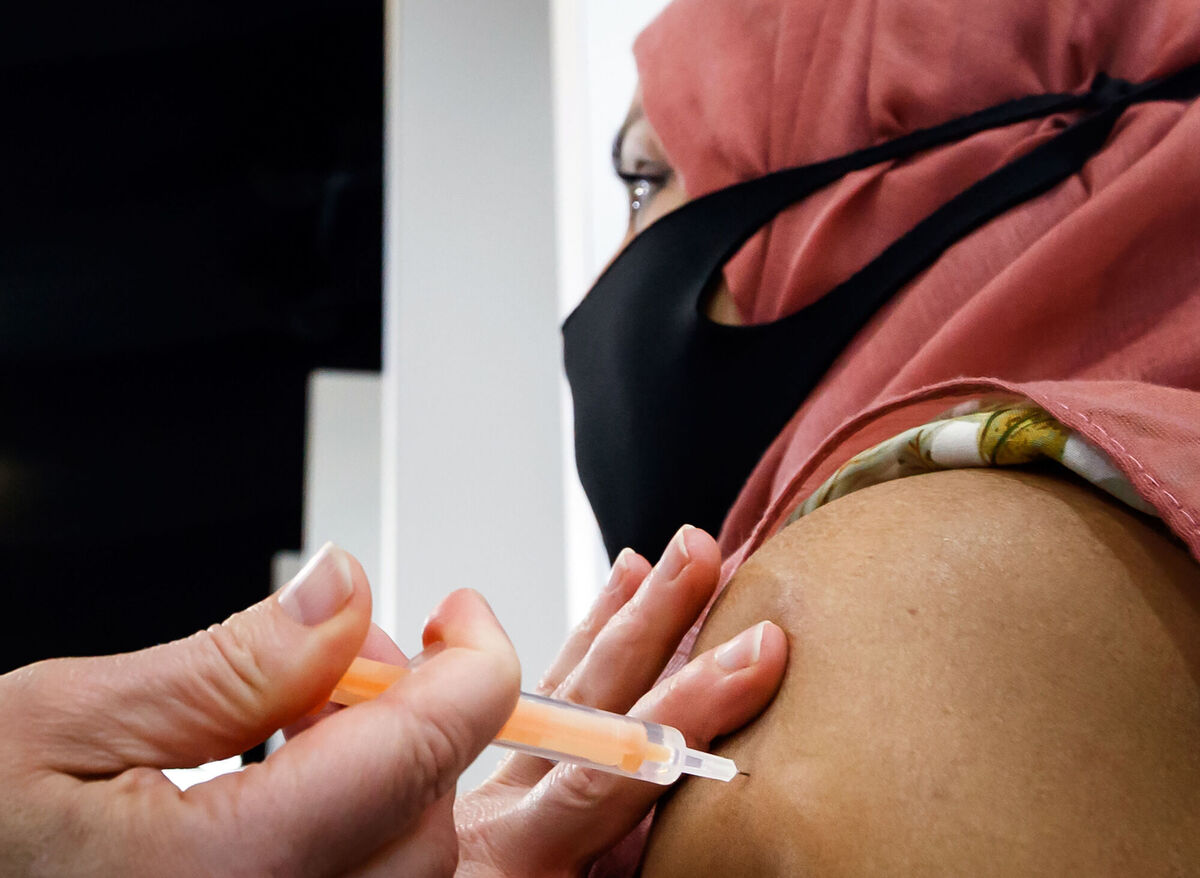
However, Dr Glynn added if you begin to see blue spots appear on your skin to contact a medical professional, but “it’s not unusual to feel tired, joint pain, muscle pain, fever after receiving a vaccine.”
Dr Glynn said he hopes to see the rollout of AstraZeneca recommence by the end of next week: “We acted on the basis of safety, we put people’s health first. Hopefully, this programme will be back up and running in the next week.”
The HSE’s Chief Clinical Officer, Dr Colm Henry agreed with Dr Glynn that while postponing the AstraZeneca rollout is a “frustration”, it is imperative “to determine whether or not there is a cause and effect here.”
Dr Henry said the Moderna and Pfizer vaccines will continue to be administered to over 70s as scheduled, but around 30,000 people could potentially be affected by the postponement of the AstraZeneca vaccine, particularly “health care workers and to some extent, those in Category 4, aged 16-69 who have high-risk conditions.”
The suspension of the vaccine is essential to protect the public, Dr Henry says, and once deeper investigation is conducted the AstraZeneca rollout would “hopefully will resume at the end of the week.” Commenting on the rise of Covid cases, Dr Henry said “it is a worry.”
“Ongoing high number of cases and admissions to hospitals show this illness is not going away.”
Dr Henry has said the rise in cases is potentially down to “people coming together more” but also due to the high transmissibility of the B117 variant.
The CCO says vaccines are vital in order to “free us from the vice that Covid has had us for the last year.”
CONNECT WITH US TODAY



Be the first to know the latest news and updates