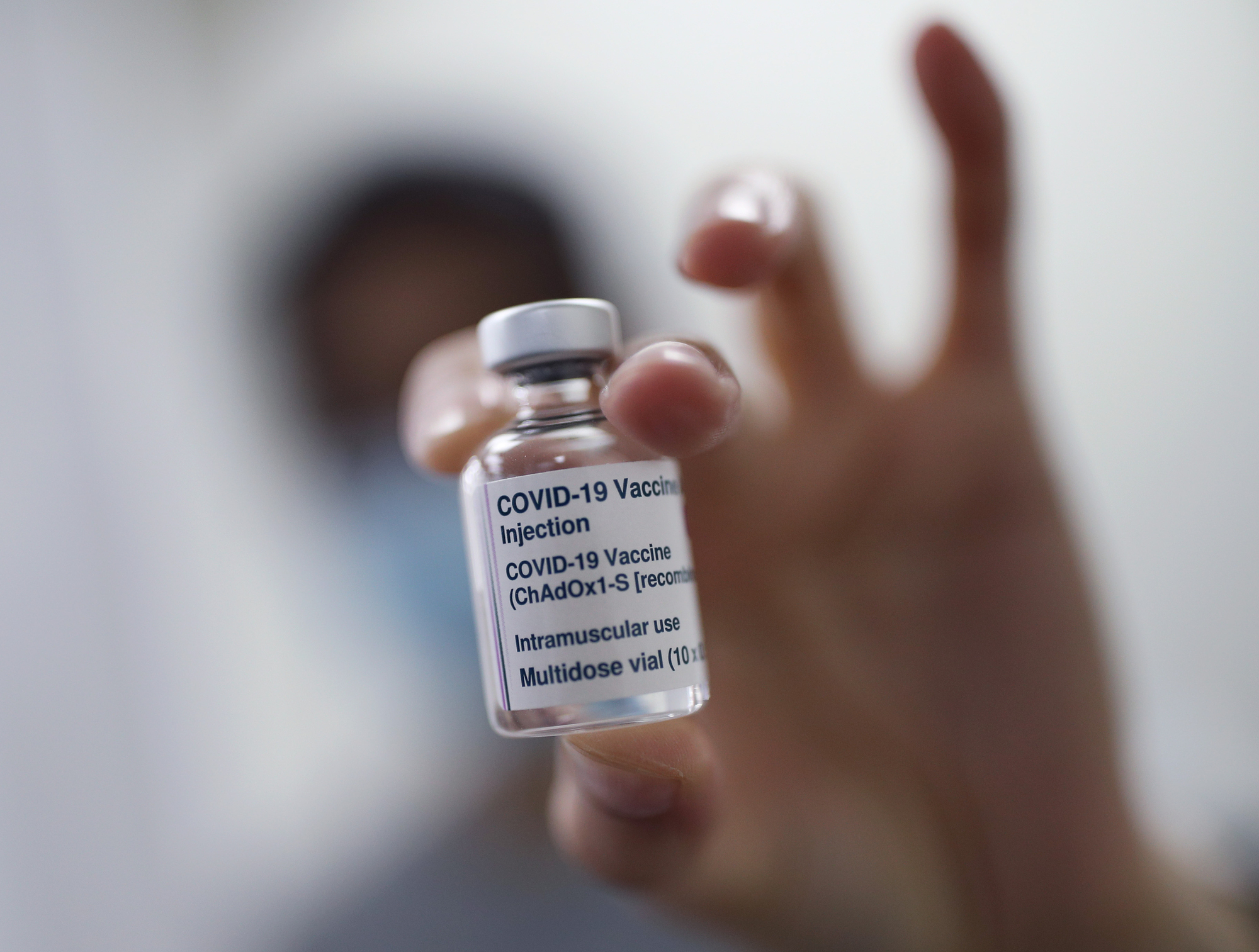
AstraZeneca vaccine 'good for all age groups'
When asked about patients refusing the AstraZeneca vaccine, Prof. Butler said such refusals were based on a lack of understanding and she said there would not be a choice and she encouraged patients to take what they were offered, all were very effective.
The chair of the National Immunisation Advisory Committee (NIAC), Professor Karina Butler has explained that Scottish data about the use of the AstraZeneca vaccine in the over-70s had shown equal efficacy and therefore gave more flexibility for use in all age groups.
“We are now spoiled for choice with vaccines,” she told RTÉ radio’s show. “It is down to logistics now and when they will be delivered.”

The AstraZeneca vaccine had been in use in the UK since January 4 and there were now reports in three scientific publications on “real world effectiveness” about how the vaccine performs.
The positive data from Scotland now provided a little more flexibility, she said.
When asked about patients refusing the AstraZeneca vaccine, Prof. Butler said such refusals were based on a lack of understanding and she said there would not be a choice and she encouraged patients to take what they were offered, all were very effective.
“All vaccines have proven to be extremely effective.”
The effectiveness rates of AstraZeneca were no different from the MRNA vaccines – Pfizer and Moderna, she said.
📢 Introducing an exciting new podcast series from @RCPIArchive and @lit4health. 'Experts in Conversation' kicks off with "Vaccinating Ireland: Facts, Fears and Fictions".
— Royal College of Physicians of Ireland (@RCPI_news) March 11, 2021
🎙 Listen now on Spotify/ Soundcloud/ Apple Podcast ⬇#Vaccines #MindReading @UCDMedicine @UCDHumanities https://t.co/kPy5dfuxwq
There was assessment ongoing in relation to clotting concerns reported in Denmark, there was always a risk on balance, she said, but the risk of clotting could be down to other reasons. Studies had indicated very little difference between those who had taken the vaccine and those who had taken the placebo, she added.
In the EU there had been five million doses of AstraZeneca administered and only 30 clotting events, which was a very small number that could have been seen anyway due to other factors.
The longer time between doses of AstraZeneca was an advantage as it gave the opportunity for more people to be vaccinated, said Prof. Butler.
Meanwhile, the director general of the HSE, Paul Reid has said a range of new supports have been put in place by the HSE to improve distribution of vaccines to general practices.
A call centre, relationship managers and specific plans for practices too small to participate in the buddy system, had all been introduced he told RTÉ radio’s show.
If deliveries were ramped up the HSE could cope, he said.
Generally deliveries from Pfizer and Moderna had been “consistent and good”, but if there was short notice about a delivery being cancelled “that impacts us,” he admitted.
The AstraZeneca delivery issue was not just for Ireland, it was a problem for Europe, he added.
“We built our plans on the reliability of deliveries, we paid up front.”
Discussions were ongoing with AstraZeneca and the HSE was going to sit down with Johnson & Johnson to discuss delivery schedules for the 600,000 doses pre-ordered for Quarter 2.
The Taoiseach was seeking a meeting with the CEO of AstraZeneca and Mr Reid said “if needed, I will be there.”
When asked about NIAC approval for the use of AstraZeneca for the over-70s, Mr Reid said that the HSE took its advice from the medical agencies and the EMA position on possible clotting issues was “reassuring”.